

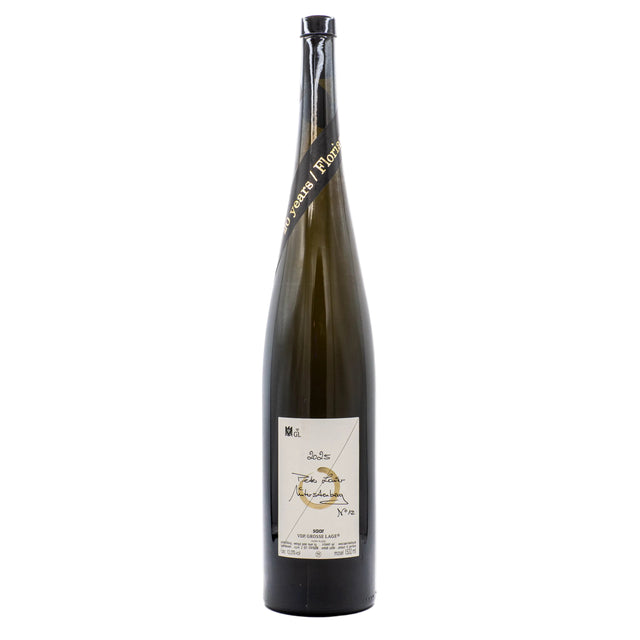
Peter Lauer Riesling No. 12 Unterstenberg 2025 1.5L
We have 3 in stock (Inventory is live and accurate)
The Land
The Saar is the coldest, most marginal corner of the Mosel, a short side valley where Riesling ripens only on the steepest south-facing slopes. The Ayler Kupp is one of those slopes, a sheer hill of blue-gray Devonian slate rising above the river at Ayl and classified VDP Grosse Lage. Unterstenberg, "under the mountain," is its lowest section, where weathered slate washed down from the upper terraces has built up into deeper soil. Growers regard it as the warmest and oldest-worked part of the Kupp. That combination of extra warmth and deeper ground is why this parcel gives the broadest, most powerful of Lauer's Rieslings, while the slate keeps the wine tight and smoky.
The Wine
Peter Lauer Riesling No. 12 Unterstenberg 2025 is 100% Riesling, picked by hand in selective passes and pressed gently. The must goes into the same old wooden cask every year, Fass 12, so the yeast living in that wood ferments Unterstenberg again and again. Fermentation is spontaneous, long and slow, followed by extended lees contact with some bâtonnage, which builds the texture this site is known for. Expect green apple, lemon peel, pear, fresh herbs, smoke and crushed slate, a surprisingly broad mid-weight body, and a finish that stays racy and salty. In 2025, river fog shielded the Mosel from a repeat of the 2024 frost, a warm summer brought wet spells that demanded careful canopy work, and a compressed harvest delivered Saar fruit with racy acidity. In magnum, this Riesling from the Saar ages slowly for a decade or more.
The People
The Könen and Lauer families have grown vines in Ayl since 1830. In 1956 the estate bought parcels in the Neuenberg and Unterstenberg sections of the Kupp, and the Fass numbers on the labels follow a grandfather's custom: each number is a cask's place in the old vaulted cellar. Florian Lauer, the fifth generation, studied viticulture in Montpellier and took over in 2006. In 2014 he won reinstatement of the pre-1971 parcel names inside Ayler Kupp, which is why Unterstenberg appears on a bottle at all. The vineyards are worked without herbicides or insecticides, along organic lines but without copper, fertilized with manure from village stables. Lauer is the clearest case in Germany for treating individual Saar parcels the way Burgundy treats its climats.
Food Pairing
The breadth of Unterstenberg wants food with some fat. Try smoked trout rillettes with crème fraîche and dill on dark rye, where the acidity slices through the cream and the slate matches the smoke. Seared scallops over celery root purée with diced green apple pick up the wine's orchard fruit. Pork belly bao with quick-pickled cucumber and hoisin gives the texture something to grip, and a wedge of 18-month Comté brings out the salty finish. Open the magnum when eight people are around the table and the conversation is going to run long.
We ship wine to most states with a $100 minimum order for shipping. We don't ship spirits nor beer.
Weather shipping advisory: Orders placed during times of extreme heat or extreme cold will be held for no charge until more favorable weather returns.
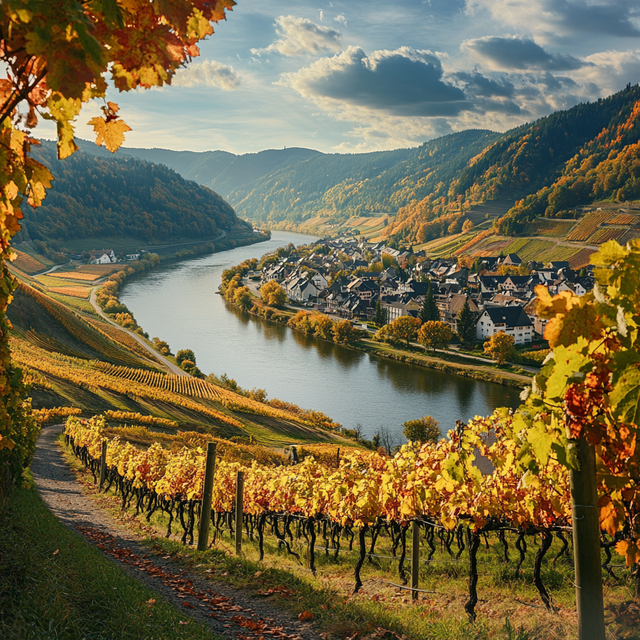
The Mosel, a stunning river valley in Germany, is a region synonymous with Riesling. The area's steep, slate slopes create a unique terroir that imparts a distinct minerality and high acidity to the wines. Mosel Rieslings range from bone dry to intensely sweet, showcasing the grape's versatility and the region's incredible potential for producing complex, age-worthy wines. The wines of the Mosel are known for their aromatic complexity and their incredibly graceful nature, and are a benchmark for all Riesling made throughout the world.
Germany - Mosel

Riesling is a truly noble grape, known for its incredibly high acidity and a flavor profile that can range from bone dry to lusciously sweet. Germany is its heartland, and it's responsible for some of the world's most age-worthy examples, but Riesling also thrives in Austria, where it usually is dry. In Alsace, it takes on a slightly richer texture, while in parts of Australia, like the Clare and Eden Valleys, it displays a uniquely powerful and lime-tinged aromatic profile. This is a grape that has no problem showcasing its origins, and it's a fantastic example of how one variety can show many different expressions, each with its own unique appeal.