

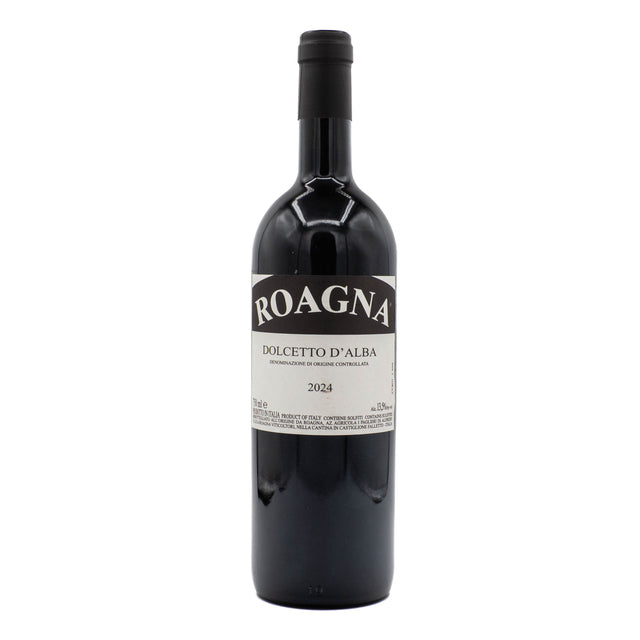
Roagna Dolcetto d'Alba 2024
We have 3 in stock (Inventory is live and accurate)
Summer Shipping Advisory: Orders may be temporarily held during periods of extreme heat to ensure wine arrives in optimal condition.
View current shipping weather map →
The Land
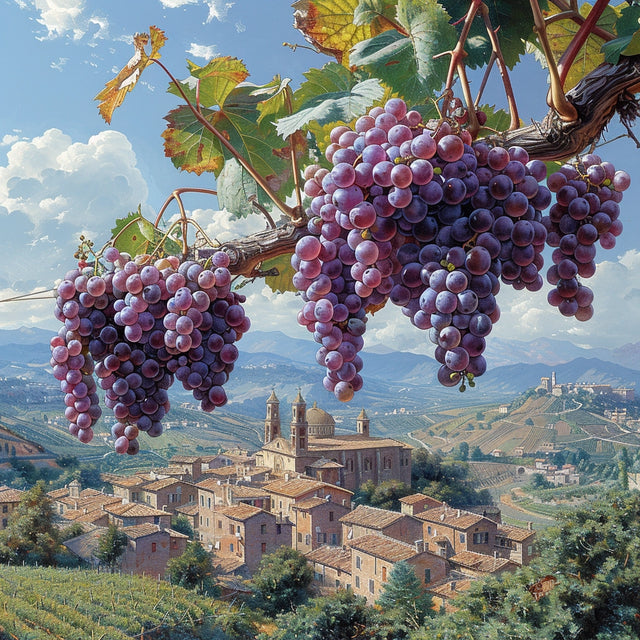
Almost every estate in the Langhe treats Dolcetto as a cash-flow grape: the land Nebbiolo cannot use, a short fermentation, a few months in tank, on the shelf before the next harvest. Roagna does the opposite. The fruit comes off estate parcels around the historic cellar in the village of Barbaresco: the lower sections of Pajè, where calcareous marl carries the estate's highest active limestone content, and Asili, where limestone clay is cut with sand. Those are Barbaresco cru soils, at roughly 230 meters, planted to Dolcetto only because the coolest, lowest benches of the amphitheater ripen it more reliably than Nebbiolo. The limestone keeps a grape known for low acidity tasting taut rather than soft.
The Wine
Dolcetto d'Alba from Barbaresco, 100% Dolcetto, from vines the estate describes as over fifty years old. Fermentation happens in large wooden vats on indigenous yeasts, and then the wine gets the treatment most estates reserve for Barolo: up to 100 days of submerged-cap maceration, the cap held beneath the surface so extraction happens slowly and without oxidative bruising. Very few Dolcetto in Piedmont see anything close to that. It ages a full year in wood and concrete vats before release. The result has real tannic grip and a savory, iron-edged core rather than the grapey simplicity the variety usually delivers: blackberry, dark plum, violet, bitter almond, a dry stony finish. 2024 was the season Piedmont got its water back after two drought years, with abundant spring rain that restored the reserves and brought heavy downy and powdery mildew pressure. Summer temperatures stayed normal, harvest began September 3, and alcohol came in roughly one to one and a half degrees below the regional average.
The People
Roagna keeps no external oenologist and no consulting agronomist, and is explicit about why: the interpretation of each vineyard stays inside the house. The estate runs about 20 hectares, 15 of them planted, across Barbaresco, Castiglione Falletto and Colli Tortonesi, and every bottle passes through a family member's hands at least six times before it leaves. In the vineyards that means permanent ground cover where the site allows it and a stated commitment to regenerative agriculture, with a zero-impact target in the cellar. That philosophy shows in this wine more than anywhere else in the range, because nothing about a Dolcetto d'Alba justifies 100 days of maceration except conviction.
Food Pairing
This has more tannin than Dolcetto normally brings, so give it something with fat. Sausage and peppers browned hard in cast iron, finished with a splash of the wine, is exactly right. A thin-crust pizza with fennel sausage and chili oil works because the tannin scrubs the cheese. Braised pork shoulder with white beans and rosemary gives the savory, iron side of the wine somewhere to land. And a plate of salumi and Toma with bread, which is what they would be eating with it in Barbaresco. Serve it with a slight chill. This is the Tuesday night bottle that happens to have been made like a Barolo.
We ship wine to most states with a $100 minimum order for shipping. We don't ship spirits nor beer.
Weather shipping advisory: Orders placed during times of extreme heat or extreme cold will be held for no charge until more favorable weather returns.
Piedmont, framed by the Alps in northwestern Italy, is a land of rolling hills and carefully cultivated vineyards. The continental climate, with its cold winters and warm summers, creates prime conditions for the Nebbiolo grape, which dominates much of the region's red wine production. The Langhe area is home to Barolo and Barbaresco, structured red wines known for their complex aromas, firm tannins, and aging potential. While Nebbiolo is the dominant grape of Piedmont, the region also makes interesting white wines like those from Arneis and Timorasso. Alto Piemonte is a separate region in the north with its own distinctive expressions of Nebbiolo, alongside other red grape varietals.
Italy - Piedmont

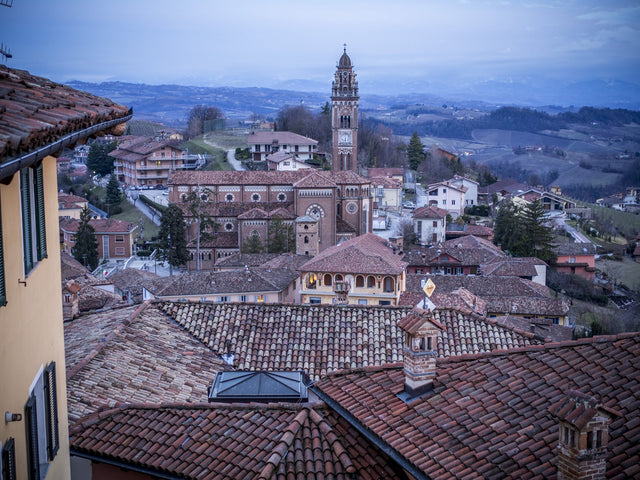
Dolcetto is a black grape variety native to the Piedmont region in northwest Italy, cherished for its ability to produce soft, fruit-forward red wines with relatively low acidity and a pleasing bitter finish. Known for its early ripening, Dolcetto yields wines that are typically deep in color, offering aromas of black cherry and licorice, making them highly approachable in their youth. The grape is most commonly associated with wines from Dogliani, Alba, and Asti, where the varietal's characteristics are celebrated in their purest form. While not as prestigious as Nebbiolo-based wines like Barolo and Barbaresco, Dolcetto holds a beloved place in Piedmontese wine culture for its straightforward, deliciously fruity profile and its versatility with food.