

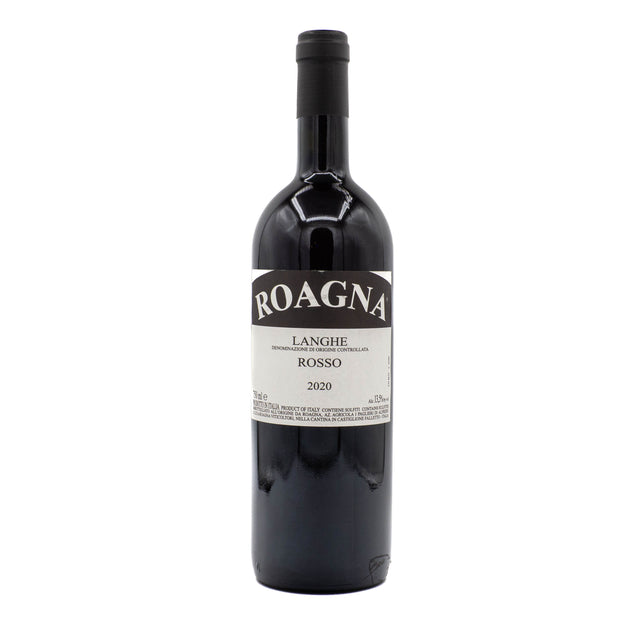
Roagna Langhe Rosso 2020
We have 3 in stock (Inventory is live and accurate)
Summer Shipping Advisory: Orders may be temporarily held during periods of extreme heat to ensure wine arrives in optimal condition.
View current shipping weather map →
The Land
This is not a declassified afterthought. Roagna Langhe Rosso exists because Italian law leaves no other option: roughly two-thirds of the fruit comes from Pira in Castiglione Falletto, inside the Barolo zone, and the rest from Albesani and Gallina in Neive and Pajè in Barbaresco. Blend across the two DOCGs and the wine can no longer be called either one. So it becomes Langhe Rosso. The parcels are the estate's real vineyards, not a lesser tier of land. Pira is a walled amphitheater in Castiglione Falletto, bought by the family in 1989, with calcareous clay and sandstone. Pajè brings the highest active limestone in the estate, and the Neive sites add warmer, sandier ground. The result is a Nebbiolo carrying the tar and structure of Barolo alongside the perfume of Barbaresco, a combination no single-appellation bottle can legally give you.
The Wine
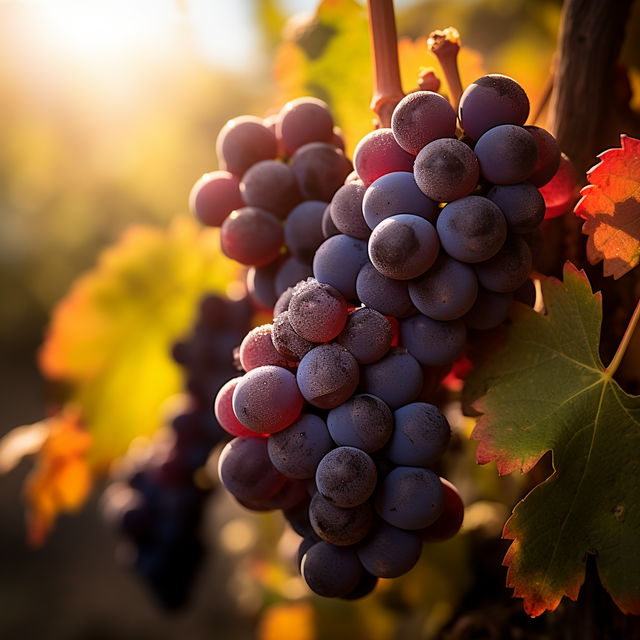
100% Nebbiolo from younger vines, 20 to 25 years old, all of massal origin, propagated from the estate's own old plants rather than purchased clones. Fermentation runs about ten days, exclusively in wooden vats, on a pied de cuve built from indigenous yeasts. Submerged-cap maceration follows for at least two months, the same technique used for the crus, shortened. The wine then ages in neutral oak and concrete, about five years by the estate's account, which explains why a 2020 is arriving now. Around 10,000 bottles are made annually. 2020 was warm across the Langhe, with heat accumulation near 2003 and 2017 levels but no damaging spikes and good water availability, giving ripe tannins and lower acidity than average. Downy mildew in spring forced selection, and heavy rain fell on October 2 and 3. Sour cherry, dried rose, tobacco leaf, orange peel and a tarry, savory finish, with tannin that is present but not punishing.
The People
Luca Roagna was born in 1980, finished oenology school in 2001 and took over the winemaking from his father Alfredo on arrival. His most consequential decision was to extend macerations from around 30 days to 60 and beyond, counter to the direction Piedmont was moving at the time. His logic: a submerged cap extracts gently and continuously, so more time buys complexity without harshness, where a shorter, more aggressive extraction buys tannin and coarseness together. Roagna releases years after its neighbors, bottles unfined and unfiltered, and has become one of the reference points for traditional Nebbiolo from Piedmont largely by refusing to change.
Food Pairing
Nebbiolo this savory wants salt and umami. Mushroom and taleggio risotto hits the tobacco and dried-rose side. Roast chicken rubbed with rosemary and garlic, pan drippings spooned over, works just as well because the acidity cuts the skin. Tagliatelle with a slow-cooked ragù of pork and beef gives the tannin fat to bind to. And a board of prosciutto, Castelmagno and olives if dinner runs late. This is the Roagna bottle you can open on a weeknight without doing the math on what it cost, which is not a sentence anyone says about the crus.
We ship wine to most states with a $100 minimum order for shipping. We don't ship spirits nor beer.
Weather shipping advisory: Orders placed during times of extreme heat or extreme cold will be held for no charge until more favorable weather returns.
Piedmont, framed by the Alps in northwestern Italy, is a land of rolling hills and carefully cultivated vineyards. The continental climate, with its cold winters and warm summers, creates prime conditions for the Nebbiolo grape, which dominates much of the region's red wine production. The Langhe area is home to Barolo and Barbaresco, structured red wines known for their complex aromas, firm tannins, and aging potential. While Nebbiolo is the dominant grape of Piedmont, the region also makes interesting white wines like those from Arneis and Timorasso. Alto Piemonte is a separate region in the north with its own distinctive expressions of Nebbiolo, alongside other red grape varietals.
Italy - Piedmont

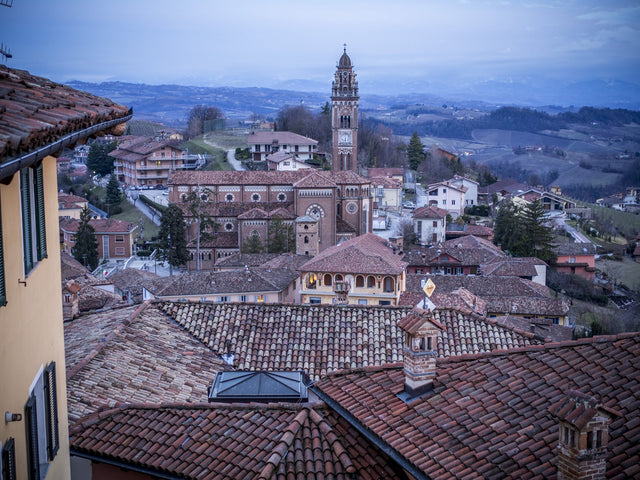
Nebbiolo, a prestigious grape from Italy's Piedmont region, is celebrated for its profound truffle and rose aromas, complex flavors, and ability to age gracefully thanks to strong acidity and tannins, producing the renowned Barolo and Barbaresco wines.