

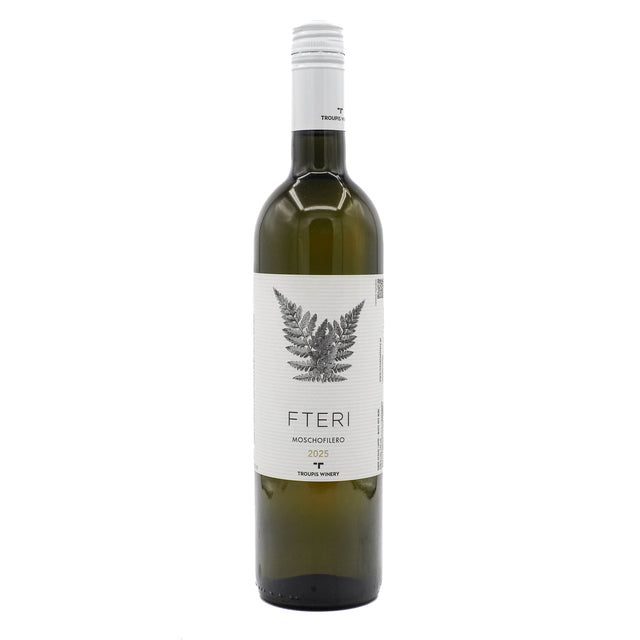
Troupis Fteri Moschofilero 2025
We have 0 in stock (Inventory is live and accurate)
Summer Shipping Advisory: Orders may be temporarily held during periods of extreme heat to ensure wine arrives in optimal condition.
View current shipping weather map →
The Land
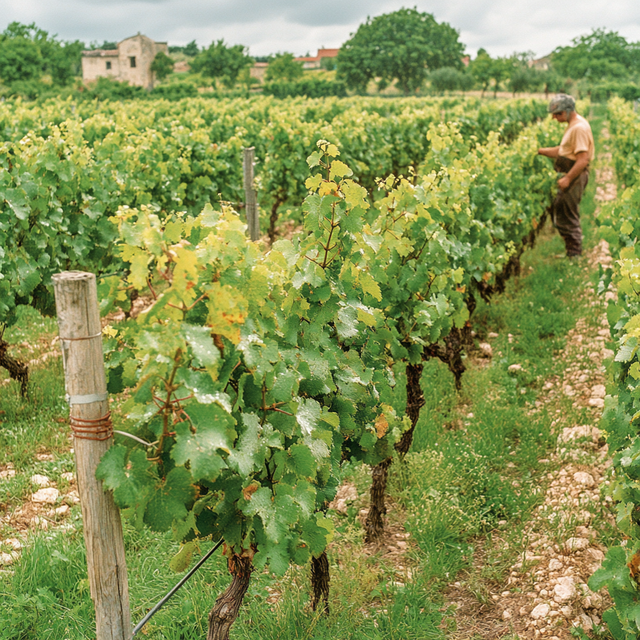
It snows in Mantinia. The plateau sits at a mean 660 meters, ringed by five mountain ranges (Mainalo, Oligirto, Artemisio, Ktenia and Parnonas), landlocked with no maritime moderation at all, and it ranks among the coldest PDO zones in Greece. Hail and spring frost are real risks here, and the Moschofilero harvest is the latest in the country, running into mid-October. Troupis draws the Fteri fruit from Fteri, Zevgolatio and Pelagos at 640 meters on clay and rock, with the estate's wider holdings running from 650 up to 800 meters. Note the label: this is bottled as PGI Arcadia, not PDO Mantinia, whatever various retailers claim.
The Wine
100% Moschofilero, fermented in stainless steel at low temperature to hold onto the aromatics, which in this grape are the entire proposition. Worth knowing: Moschofilero is not a white grape. It is a gris, pink-grey skinned, which is why Troupis can make a white, a rosé and a skin-contact wine from identical fruit. This is the white version. Night-blooming jasmine, rose, grapefruit and citrus peel, lychee, a trace of the Arcadian scrub that grows around the vines, then high acidity and a dry, cutting finish. The 2024 came in at 12.5%. On 2025: the Greek Wine Federation ranked Mantinia among its most notable vintages in recent years, with small, highly aromatic berries and excellent harmony, after a spring frost to minus 5.1 Celsius caused uneven growth without major loss. The contrast is instructive. Sixty kilometers away in Nemea, the same year came in 25 to 50% short.
The People
Troupis Winery is in the village of Fteri on the Mantinia plateau, which is where the Fteri line takes its name. The family had grown grapes since the 1970s, selling most of the fruit and keeping some back for house wine, and in 2010 they bottled for the first time from seven hectares of their own. Tasos Troupis started the project, his son-in-law Kostas Koutsoumpos, a former PE teacher, made it real, and his daughter Panagiota and son Yiannis, an economist and an agronomist, run it now. They produce around 20,000 cases a year, work across the wider range with ceramic, concrete, oak and acacia, ferment on indigenous yeasts, and keep replanting forgotten local varieties including Kolliniatiko. They also say they hold the only Assyrtiko planting in Mantinia, a single hectare of it. They hold no organic certification.
Food Pairing
The producer suggests pasta with basil, chicken in cream sauce, grilled prawns and pies. Follow the pies: a good spanakopita or tyropita with the phyllo shattering under the fork, and this wine's acidity cutting straight through the butter. Prawns grilled with garlic and lemon work too, as does a plate of dolmades heavy on the dill. Serve at 8 to 10 degrees. Whites this perfumed usually arrive with sugar attached; this one is bone dry, which is why it can sit through a meal instead of just the first sip.
We ship wine to most states with a $100 minimum order for shipping. We don't ship spirits nor beer.
Weather shipping advisory: Orders placed during times of extreme heat or extreme cold will be held for no charge until more favorable weather returns.
Greece – Mainland covers a diverse range of wine regions shaped by mountains, rivers, and varying altitudes, from the cool slopes of Macedonia in the north to the sunlit plains of the Peloponnese. Key areas like Naoussa, Nemea, and Amyndeon are known for structured reds from Xinomavro and Agiorgitiko, while higher-altitude zones produce crisp, aromatic whites from Roditis, Malagousia, and Assyrtiko. Soils range from limestone and marl to clay and schist, and elevation plays a crucial role in moderating the heat, allowing for balance and freshness across styles. This varied landscape has helped reestablish the mainland as the backbone of Greece’s modern wine revival.
Greece - Mainland Greece

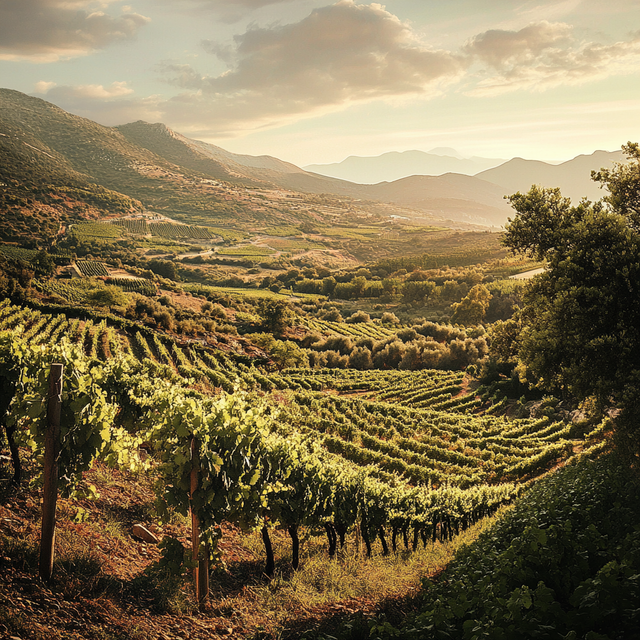
Practicing Organic vineyard farming involves growing grapes using organic methods—avoiding synthetic fertilizers, herbicides, pesticides, and fungicides—but without formal certification. Wineries adopting this approach prioritize environmental health, soil vitality, and biodiversity, using natural practices such as composting, cover cropping, and manual pest control. Many small wineries opt for practicing organic methods rather than pursuing official organic certification, primarily due to the significant cost, paperwork, and time commitment involved in certification processes. As a result, practicing organic is a popular choice among boutique and artisanal producers who remain committed to sustainable agriculture while managing budgetary constraints.