

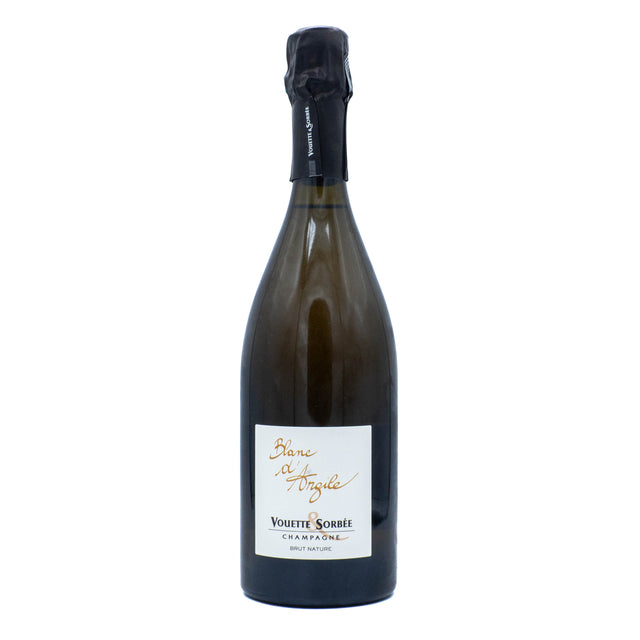
Vouette & Sorbee Blanc d'Argile Brut Nature 2021
We have 0 in stock (Inventory is live and accurate)
Summer Shipping Advisory: Orders may be temporarily held during periods of extreme heat to ensure wine arrives in optimal condition.
View current shipping weather map →
The Land
The Biaunes vineyard sits in Buxières-sur-Arce in the Côte des Bar with an unusual west-facing exposure, making it one of the coolest and latest-ripening sites on the estate. The soil is Kimmeridgian limestone and clay, the same geological formation that runs under Chablis to the south. West-facing blocks the morning sun and slows ripening substantially. Bertrand Gautherot plants Chardonnay here specifically because the cooler conditions preserve tension. The vines in Biaunes were planted in 2000 and are pruned to just five bunches per vine. The name means "white of clay," a reference to the Kimmeridgian clay-limestone below.
The Wine
100% Chardonnay. Fermented with indigenous yeasts in used Burgundian barrels, aged in the same barrels for 10 months, then a further two years on the lees in bottle before disgorgement. Zero dosage, unfiltered, unclarified, approximately 20 mg/L total SO2. The 2021 vintage in Champagne was exceptional: warm summer, cool August, clean and naturally ripe fruit. Blanc d'Argile from this vintage shows white pear, lemon oil, chalk dust, and a saline mineral depth that extends through a long finish. The texture is precise and taut, closer in spirit to a serious Chablis premier cru than to a commercial blanc de blancs.
The People
Bertrand Gautherot left Paris, where he worked in fashion for Chanel and Dior, to return to his family's vines in the Côte des Bar. He converted to biodynamic farming, received Demeter certification in 1998, and released his first Champagne in 2001. He was among the earliest and most committed voices of what became the grower Champagne and natural wine movements in Champagne. At a time when the large houses defined what Champagne was, Gautherot was making the argument, in bottles rather than words, that the appellation could produce terroir-driven wine without dosage, without fining, and with indigenous fermentation. He was part of a small group that included Pierre Larmandier and Jérôme Prévost who changed the conversation in Champagne in the early 2000s.
Food Pairing
Oysters with mignonette, poached halibut with beurre blanc, scrambled eggs with truffles, or aged Comté. The mineral tension runs alongside briny and salty flavors and amplifies them. One of the few Champagnes that makes a serious case for the first course.
We ship wine to most states with a $100 minimum order for shipping. We don't ship spirits nor beer.
Weather shipping advisory: Orders placed during times of extreme heat or extreme cold will be held for no charge until more favorable weather returns.
Champagne is the northernmost major wine region in France, defined by its cool climate, chalky soils, and centuries-old tradition of sparkling wine production. Centered around the towns of Reims and Épernay, the region is divided into key subzones like the Montagne de Reims, Vallée de la Marne, and Côte des Blancs, each favoring different grapes—Pinot Noir, Meunier, and Chardonnay respectively. The region’s signature chalk and limestone soils provide excellent drainage and impart a distinctive mineral character to the wines. While méthode champenoise was refined here in the 17th century, Champagne’s global prestige grew through the 19th and 20th centuries, cementing its role as the benchmark for sparkling wine worldwide.
Champagne

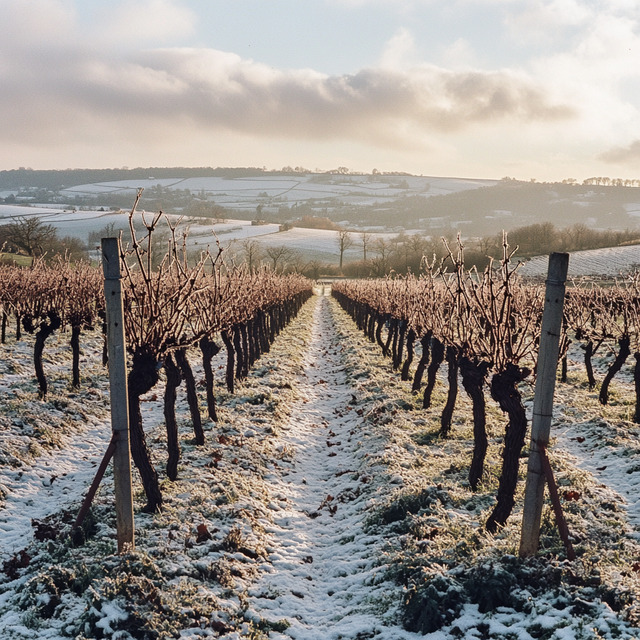
Chardonnay, one of the world's most versatile and beloved white grape varieties, showcases a remarkable spectrum of styles, from the lean, mineral-driven expressions of Chablis in France to the rich, buttery, and oak-aged versions from California's Napa Valley. Its adaptability extends to cooler climates such as Burgundy, where it achieves elegance and complexity, and to regions like Australia's Yarra Valley, known for producing vibrant and fruit-forward renditions. This grape's ability to reflect its terroir, coupled with winemaking techniques, results in a wide array of profiles, including unoaked, crisp varieties with apple and citrus notes, to full-bodied wines with tropical fruit flavors and creamy textures.