

Domaine Marquis d’Angerville Bourgogne Aligoté 2023 1.5L
We have 2 in stock (Inventory is live and accurate)
The Land
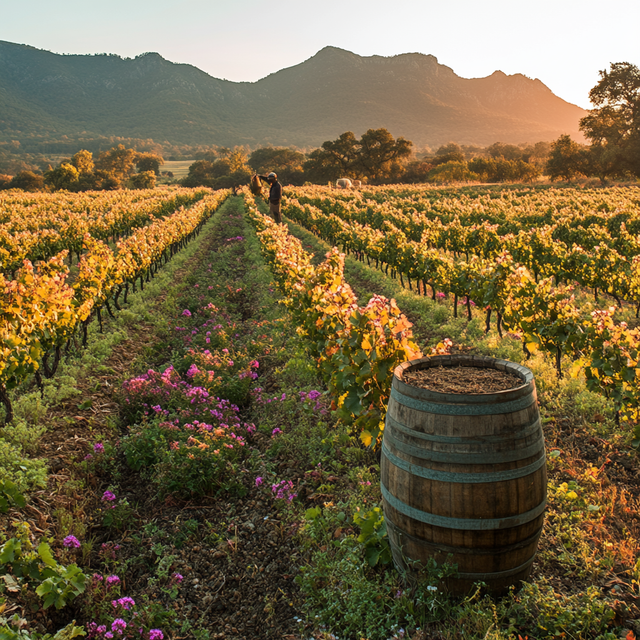
The most famous name in Volnay makes its least expensive white from the flattest ground in the commune. D'Angerville's Aligoté comes from about 0.4 hectares in the lieu-dit Monpoulain, two plots on the eastern side of Volnay, out on the level land below the hillside where the premier crus sit. Aligoté is a naturally high-acid grape, so this flatter, richer ground gives it some body without taking away its bite. That is the logic of the wine: a sharp grape on a site that fills it out just enough. The plot gets the same biodynamic farming as the Clos des Ducs, which is unusual care for an appellation-level white.
The Wine
The Domaine Marquis d'Angerville Bourgogne Aligoté 2023 is 100% Aligoté, bottled early in the summer after harvest to keep its snap. 2023 was a warm, abundant vintage in the Côte de Beaune, and the domaine brought in a full crop with only light sorting and no green harvesting. The house style is pale and bright: citrus and orchard fruit, the slightly bitter grip of Aligoté skins, a metallic, stony minerality and salinity through a broad, mouth-filling middle. The warm year gives a little more body than usual without dulling the acidity. Drink it over the next two to three years, cold, while it still has its edge.
The People
François Duvivier is the reason d'Angerville's smallest wines get the same attention as its greatest. Guillaume d'Angerville put him in charge of the vines and cellar in 2005, two years after taking over the domaine, and he has led the farming through the biodynamic conversion that began in 2006 and the run of hail, drought and frost that followed. In 2023 he and Guillaume picked only in the mornings to keep the fruit cool, and that goes for the Aligoté as much as the premier crus. The two also built Domaine du Pélican in the Jura together, which says something about how far that partnership has gone.
Food Pairing
A magnum of Aligoté is a party wine, and it wants party food. Steam mussels in white wine, shallots and parsley and set the pot in the middle of the table. A board of jambon persillé, cornichons and crusty bread is what Burgundians would serve. Fried chicken with lemon and flaky salt shows how well its acidity cuts fat, and a croque monsieur with Gruyère is the brunch answer. Chill the magnum for two hours, put it in a bucket of ice, and pour it for twelve.
We ship wine to most states with a $100 minimum order for shipping. We don't ship spirits nor beer.
Weather shipping advisory: Orders placed during times of extreme heat or extreme cold will be held for no charge until more favorable weather returns.
Domaine Marquis d’Angerville
- Est.1804
- RegionBurgundy - Cote d'Or
- FarmingFarming - Certified Biodynamic
- In stock17 wines →
Burgundy, in eastern France, encompasses several subregions, but it is the Côte d'Or that is home to many of the world's most expensive and revered wines. The region, primarily a single east-facing slope, has mixed limestone soils that vary dramatically from village to village and even vineyard to vineyard. White wines, crafted from Chardonnay, range from rich and opulent to lean and intensely mineral, while Pinot Noir produces silky, perfumed red wines of exceptional finesse and complexity. Centuries of winemaking tradition have resulted in every plot being meticulously recognized and scrutinized, making the Côte d'Or a true capital of terroir.
Burgundy - Cote d'Or

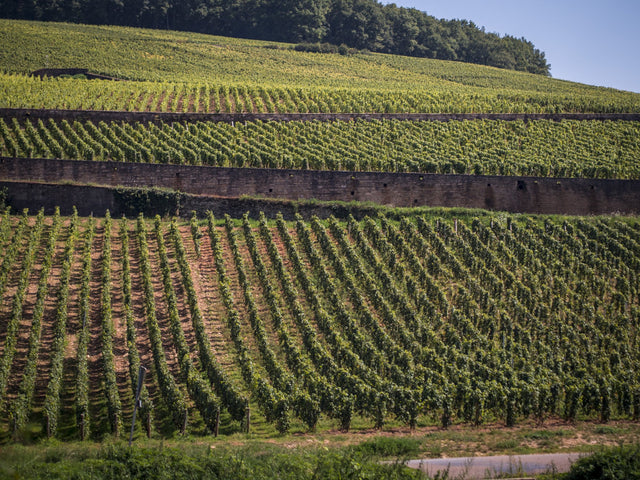
Aligoté is a historic white grape of Burgundy, long overshadowed by Chardonnay but increasingly valued for its freshness and versatility. First documented in the region in the 18th century, it was traditionally used in everyday wines or blended with crème de cassis for Kir. Today, quality-minded producers—especially in Bouzeron, the only communal AOC dedicated to the grape—are showing its potential when grown on limestone soils and handled with care. Aligoté typically offers high acidity, light body, and flavors of green apple, citrus, and subtle herbal notes, making it a crisp, food-friendly alternative to richer white varieties.
Aligote
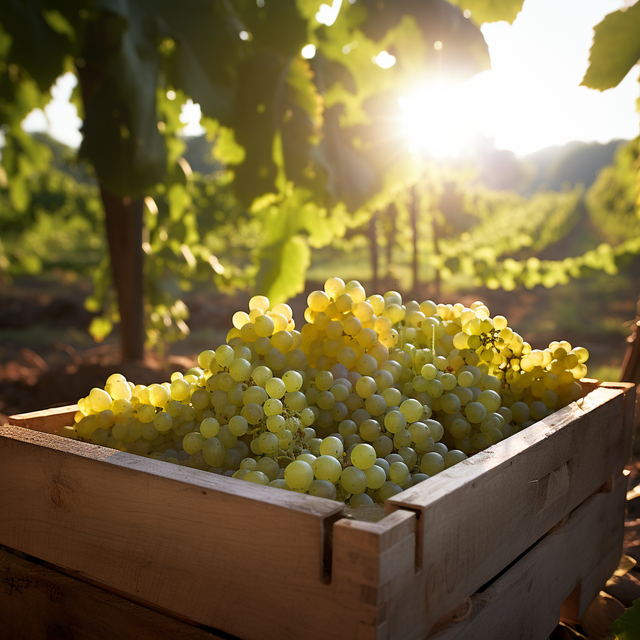
Certified Biodynamic vineyard farming is a holistic approach building upon organic principles, viewing the vineyard as a self-contained ecosystem influenced by cosmic rhythms. Based on Rudolf Steiner's teachings, it integrates precise agricultural methods with lunar and astrological calendars, using natural preparations from herbs, minerals, and manure to enhance soil and plant health. Certification by organizations like Demeter International requires rigorous inspections to ensure strict compliance. Biodynamic farming seeks not only high-quality wines but also ecological harmony, sustainability, and deeper connections among land, plants, animals, and humans.