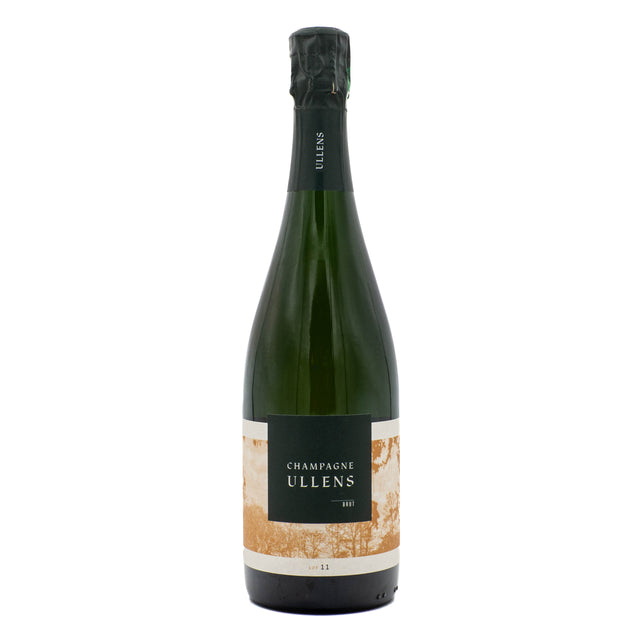
Domaine de Marzilly Champagne Ullens Brut Lot 11
We have 8 in stock (Inventory is live and accurate)
The Land
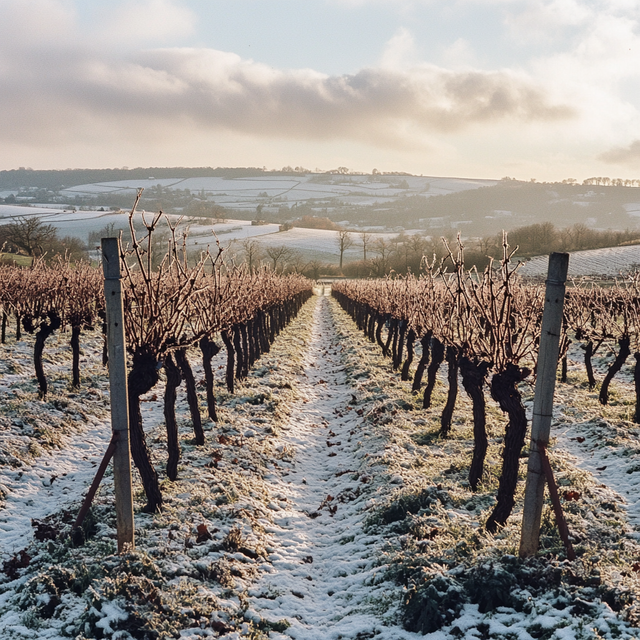
The Château de Marzilly sits in Hermonville, in the Massif de Saint-Thierry, the northernmost stretch of planted Champagne and the coldest. There is a wrinkle: the château's own land falls outside the appellation boundary drawn in 1936, so the estate rents vineyards nearby rather than farming its doorstep. During the restoration work the family found ungrafted vines surviving in the woods around the château, almost certainly spared by phylloxera because the soil here is sand. That sand sits over limestone, and the combination is what gives Hermonville fruit its tension: slow, late ripening, high acidity, and a lighter, more aromatic frame than the chalk heartland of the Marne. Records confirm the area was planted and making wine before the First World War, then largely abandoned.
The Wine
Lot 11 is 80% Meunier and 20% Chardonnay from parcels around Hermonville, built on a 2020 base with roughly 50% reserve wine, and finished Extra Brut at 2.4 grams per liter. The lot number on the label is not a vintage. It identifies the specific blend and bottling batch, which is how the estate tracks a non-vintage wine that changes meaningfully from release to release. Every plot is fermented in oak barrel rather than tank, and the estate has its own barrels made by Tonnellerie de Champagne from trees grown on the château grounds. The wine then rests more than 36 months on lees before disgorgement, which took place in April 2024. White flowers, baked apple, toast and almond skin, a saline, persistent middle, and a dry, driving finish. The 2020 base brings the concentration of a hot, dry, record-early harvest with clean, botrytis-free fruit.
The People
Max Ullens de Schooten is an architect from Brussels. He came across the derelict Château de Marzilly in 2012 while working on historical renovations, bought it with his father, and started a Champagne domaine almost as a consequence of restoring the building. He and his wife Anna run it now. Because the estate has no cellar of its own in the appellation, the wines are made in a historic facility in Mareuil-sur-Aÿ that once belonged to Ayala, with fruit moved there in refrigerated trucks to protect it on the drive. The work is deliberately slow and manual, including riddling by hand over extended periods. Beehives and a flock of heritage chickens, turned loose in the vines after harvest, are part of the farming rather than decoration.
Food Pairing
Meunier-led Champagne at this dryness is a food wine first. Pan-roast duck breast, score the fat and render it slowly, then slice it over lentils: the orchard fruit in the wine handles the richness and the low dosage keeps it from turning sweet. A mushroom tart with gruyère and thyme meets the oak-aged, toasty side head on. Fried chicken, salted hard, works because the bubbles and acid wipe the plate clean between bites. And a wedge of Comté aged past eighteen months pulls out the almond and the salinity. This is the Champagne for a Tuesday roast chicken, not a champagne flute at arm's length.
We ship wine to most states with a $100 minimum order for shipping. We don't ship spirits nor beer.
Weather shipping advisory: Orders placed during times of extreme heat or extreme cold will be held for no charge until more favorable weather returns.
Champagne is the northernmost major wine region in France, defined by its cool climate, chalky soils, and centuries-old tradition of sparkling wine production. Centered around the towns of Reims and Épernay, the region is divided into key subzones like the Montagne de Reims, Vallée de la Marne, and Côte des Blancs, each favoring different grapes—Pinot Noir, Meunier, and Chardonnay respectively. The region’s signature chalk and limestone soils provide excellent drainage and impart a distinctive mineral character to the wines. While méthode champenoise was refined here in the 17th century, Champagne’s global prestige grew through the 19th and 20th centuries, cementing its role as the benchmark for sparkling wine worldwide.