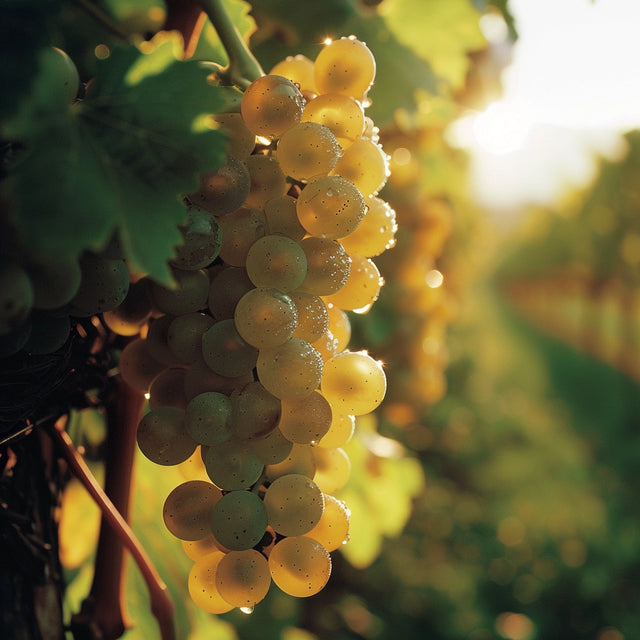


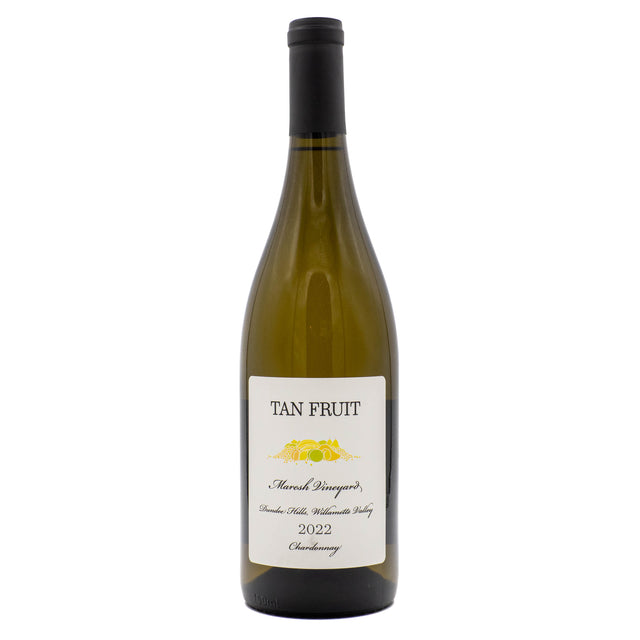
Arterberry Maresh Tan Fruit Maresh Vineyard Chardonnay 2022
We have 8 in stock (Inventory is live and accurate)
Summer Shipping Advisory: Orders may be temporarily held during periods of extreme heat to ensure wine arrives in optimal condition.
View current shipping weather map →
The Land
The Dundee Hills are the reason Oregon has a wine industry at all, and the reason is dirt. This is Jory soil, deep red clay weathered out of ancient basalt flows, iron-rich, well-draining, and completely different from the marine sedimentary soils that dominate the rest of the Willamette Valley. Jory holds water without waterlogging, which matters in a region with dry summers and no irrigation tradition. The Maresh Vineyard block behind this wine is a steep, south-facing slope at 675 feet planted to Dijon-clone Chardonnay in 1991, which makes it old by Oregon standards. Maresh itself is one of the founding sites of the Dundee Hills, and the Chardonnay planted around it includes some of the oldest in the state.
The Wine
100% Chardonnay from a single block. Jim Maresh's approach to Chardonnay is closer to the Côte de Beaune than to anything Californian: pick on acid rather than sugar, ferment with native yeast, keep new oak minimal, and let the wine sit on its lees long enough to build texture from the inside instead of from wood. What comes out is lean-framed but not thin, with lemon peel, green apple, white flowers, crushed oyster shell, and a smoky, flinty reduction that resolves with air. The acidity is the load-bearing element. 2022 in the Willamette Valley opened with an April frost and a cold, wet spring that cut the crop substantially, then turned warm and dry into a late harvest, producing small yields of concentrated, high-acid fruit.
The People
Jim Maresh runs Arterberry Maresh, his family's estate in the Dundee Hills, and started Tan Fruit in 2019 as a separate outlet with a simple premise: fruit he wants to work with that does not fit the estate label. His words are that for Tan Fruit there are no rules. In practice that means access to some of the oldest and most storied Chardonnay plantings in Oregon, including blocks at Eyrie and Maresh, under a label with no obligation to a house style. The wines are made in small volume and released without much ceremony, which suits them.
Food Pairing
High-acid, low-oak Chardonnay is a table wine in the useful sense. Dungeness crab with drawn butter, roast chicken with tarragon, halibut with lemon and capers, or a plate of aged Comté and green apple. The acidity cuts butter and cream where a richer Chardonnay would compound them, and the flinty reduction meets shellfish and browned fish directly. Serve it around 50 degrees and give it twenty minutes open; the reduction blows off and the wine broadens.
We ship wine to most states with a $100 minimum order for shipping. We don't ship spirits nor beer.
Weather shipping advisory: Orders placed during times of extreme heat or extreme cold will be held for no charge until more favorable weather returns.
The Willamette Valley, nestled in Oregon, is a region renowned for its cool-climate wines, particularly its Pinot Noir. While Pinot Noir is its most celebrated variety, the valley is also home to other cool climate varieties like Chardonnay and Riesling. The region's unique terroir, characterized by rolling hills, volcanic and sedimentary soils, and a maritime climate influence, contributes to the elegance and complexity of its wines. The wines of the Willamette Valley offer a delicate balance between fruit, acidity, and earthiness. Its increasingly growing reputation places it among the world’s top regions for Pinot Noir.
Oregon - Willamette Valley

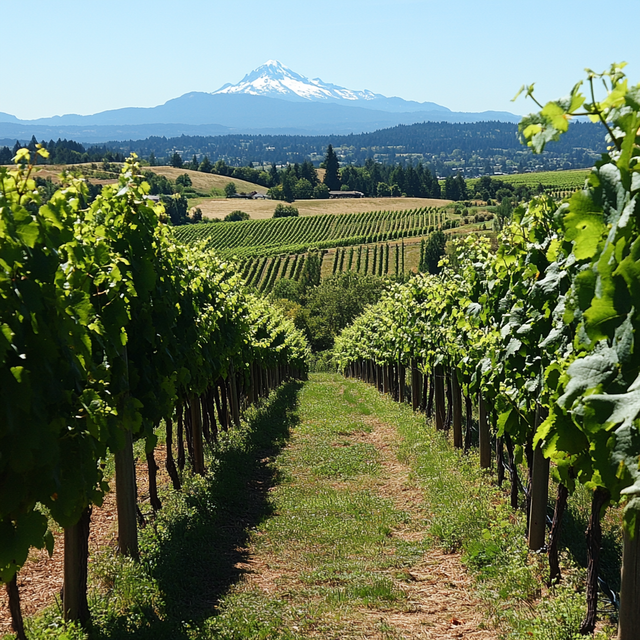
Chardonnay, one of the world's most versatile and beloved white grape varieties, showcases a remarkable spectrum of styles, from the lean, mineral-driven expressions of Chablis in France to the rich, buttery, and oak-aged versions from California's Napa Valley. Its adaptability extends to cooler climates such as Burgundy, where it achieves elegance and complexity, and to regions like Australia's Yarra Valley, known for producing vibrant and fruit-forward renditions. This grape's ability to reflect its terroir, coupled with winemaking techniques, results in a wide array of profiles, including unoaked, crisp varieties with apple and citrus notes, to full-bodied wines with tropical fruit flavors and creamy textures.