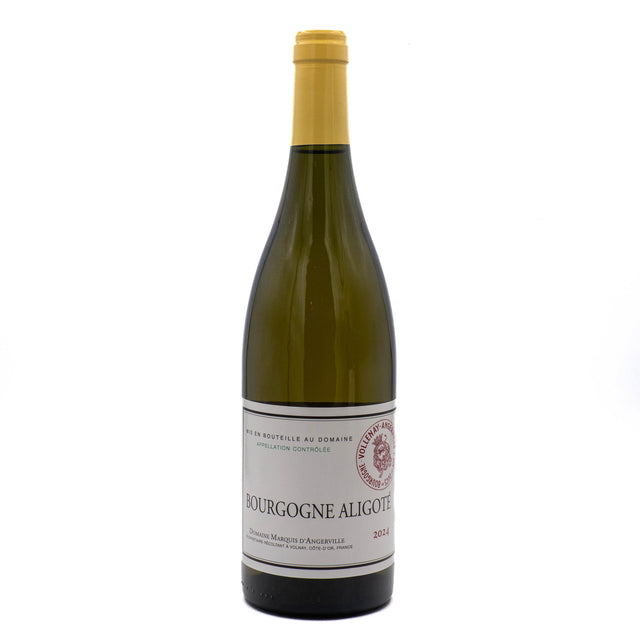
Domaine Marquis d’Angerville Bourgogne Aligoté 2024
We have 1 in stock (Inventory is live and accurate)
The Land
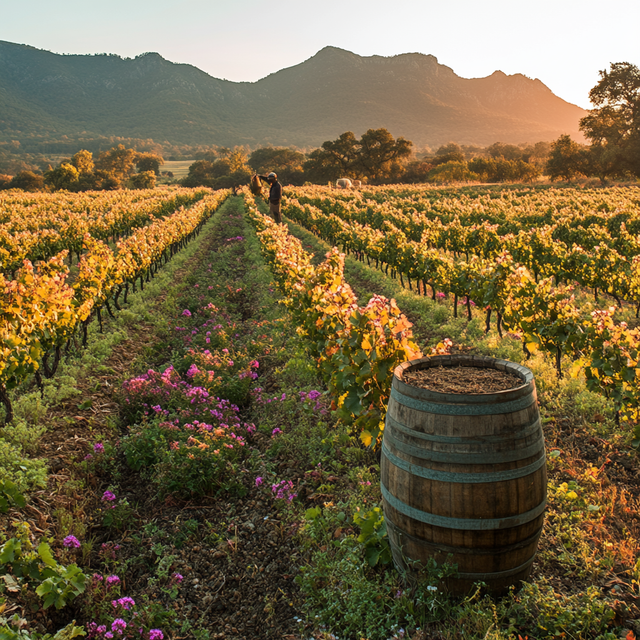
Aligoté is Burgundy's other white grape, grown here for centuries alongside Chardonnay and long treated as the base for kir. That reputation undersells it. Planted in the right place and farmed seriously, it makes a sharper, more saline white than Chardonnay, and a growing number of top domaines now bottle it with real care. D'Angerville's Aligoté comes from a single plot in the commune of Volnay, on the flat eastern side of the village rather than on the premier cru slope. Its lower position produces a wine built on acidity and freshness instead of weight, which is exactly the point of Aligoté. The same family that farms Volnay's premier crus farms this plot, with the same biodynamic approach.
The Wine
The Domaine Marquis d'Angerville Bourgogne Aligoté 2024 is 100% Aligoté, bottled early, in the summer after harvest, to hold onto its snap. The house style is orchard fruit and lime, waxy lemon pith, a streak of metallic, stony minerality, then salinity and bright energy through a clean, cutting finish. 2024 was a very wet year across Burgundy, with rainfall near double normal through winter and spring, a difficult flowering and months of mildew pressure, and Guillaume d'Angerville counts it among the hardest seasons in the estate's history. White grapes fared better than red, and the Côte de Beaune whites came in taut and mineral, a style that suits Aligoté from Burgundy very well.
The People
Domaine Marquis d'Angerville is now in the hands of its next generation as well as its current one. Guillaume d'Angerville, who took over in 2003 after the death of his father Jacques, has been joined by his daughter Margot, who came to the domaine in 2023 and is training to lead it in time. Guillaume has also looked beyond Volnay. In 2012 he and régisseur François Duvivier founded Domaine du Pélican in the Jura, near Arbois, working Savagnin, Chardonnay, Trousseau, Poulsard and Pinot Noir, and in 2015 the vineyards of the retiring Jacques Puffeney, one of the Jura's most admired growers, were entrusted to them. The same attention to detail runs from the Clos des Ducs all the way down to a humble Aligoté.
Food Pairing
This is a white built for food with some salt and fat in it. A dozen oysters on the half shell with mignonette is the obvious and correct choice. Gougères, warm from the oven and heavy on the Gruyère, are what Burgundians serve with Aligoté. Fish tacos with cabbage slaw and lime crema love its acidity, and a goat cheese salad with walnuts and a mustard vinaigrette plays to its sharp, citrus side. Add a splash of crème de cassis for a proper kir if you like. Keep a bottle cold for the nights when dinner is quick but you still want the wine to be good.
We ship wine to most states with a $100 minimum order for shipping. We don't ship spirits nor beer.
Weather shipping advisory: Orders placed during times of extreme heat or extreme cold will be held for no charge until more favorable weather returns.
Domaine Marquis d’Angerville
- Est.1804
- RegionBurgundy - Cote d'Or
- FarmingFarming - Certified Biodynamic
- In stock17 wines →
Burgundy, in eastern France, encompasses several subregions, but it is the Côte d'Or that is home to many of the world's most expensive and revered wines. The region, primarily a single east-facing slope, has mixed limestone soils that vary dramatically from village to village and even vineyard to vineyard. White wines, crafted from Chardonnay, range from rich and opulent to lean and intensely mineral, while Pinot Noir produces silky, perfumed red wines of exceptional finesse and complexity. Centuries of winemaking tradition have resulted in every plot being meticulously recognized and scrutinized, making the Côte d'Or a true capital of terroir.
Burgundy - Cote d'Or

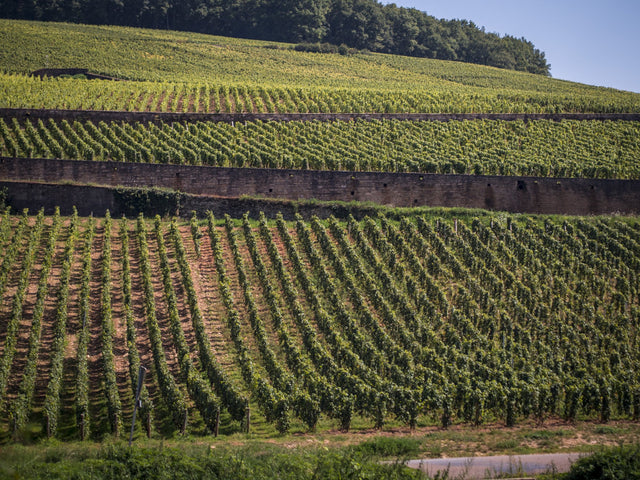
Aligoté is a historic white grape of Burgundy, long overshadowed by Chardonnay but increasingly valued for its freshness and versatility. First documented in the region in the 18th century, it was traditionally used in everyday wines or blended with crème de cassis for Kir. Today, quality-minded producers—especially in Bouzeron, the only communal AOC dedicated to the grape—are showing its potential when grown on limestone soils and handled with care. Aligoté typically offers high acidity, light body, and flavors of green apple, citrus, and subtle herbal notes, making it a crisp, food-friendly alternative to richer white varieties.
Aligote
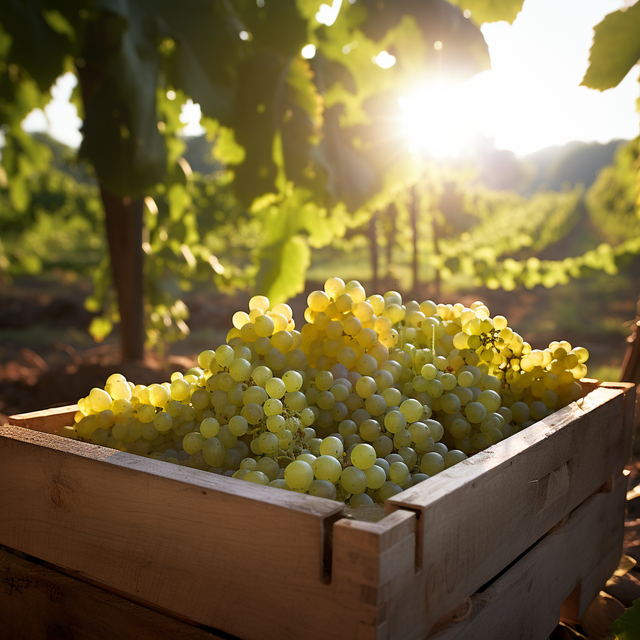
Certified Biodynamic vineyard farming is a holistic approach building upon organic principles, viewing the vineyard as a self-contained ecosystem influenced by cosmic rhythms. Based on Rudolf Steiner's teachings, it integrates precise agricultural methods with lunar and astrological calendars, using natural preparations from herbs, minerals, and manure to enhance soil and plant health. Certification by organizations like Demeter International requires rigorous inspections to ensure strict compliance. Biodynamic farming seeks not only high-quality wines but also ecological harmony, sustainability, and deeper connections among land, plants, animals, and humans.