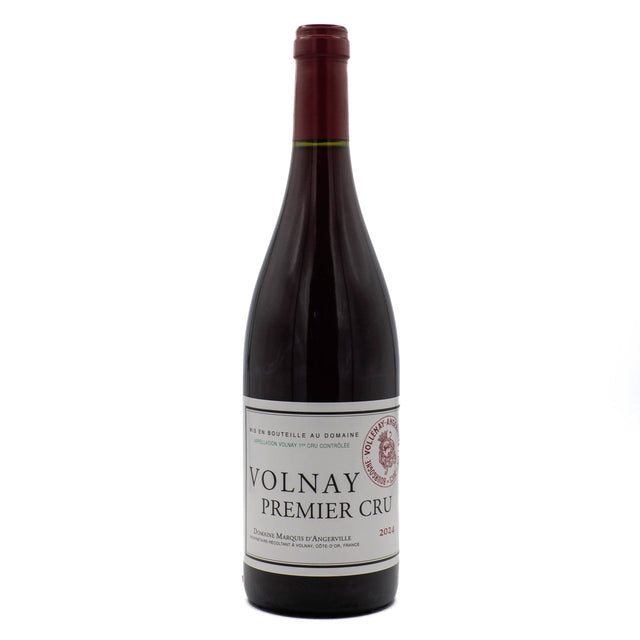
Domaine Marquis d’Angerville Volnay 1er Cru 2024
We have 3 in stock (Inventory is live and accurate)
The Land
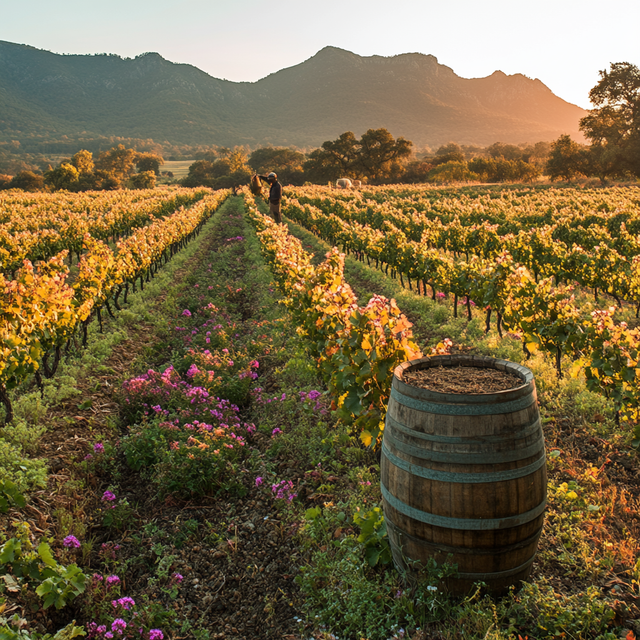
Volnay sits between Pommard and Meursault in the Côte de Beaune, and its reds have long been prized as the most perfumed of the Côte. This unnamed premier cru is not a blend of leftovers. It normally comes from two specific premier cru sites that the domaine has always bottled together: Les Mitans, 0.65 hectare, and Les Pitures, 0.31 hectare. The two sit at different elevations on the slope, one higher and one lower, on different soils, and the domaine treats them as complements: one brings fruit and depth, the other lift and structure. Together they add up to a truer picture of Volnay than either would alone, and the cuvée has been part of the d'Angerville lineup for generations.
The Wine
The Domaine Marquis d'Angerville Volnay 1er Cru 2024 is 100% Pinot Noir, fully destemmed and fermented with regular pump-overs, then aged in barrel with a modest share of new oak. 2024 is an unusual edition. The growing season was brutally wet, with rainfall near double normal, poor flowering in the reds and relentless mildew, and Guillaume d'Angerville has described it as the worst he has experienced. In this difficult year the domaine folded fruit from additional premier cru sites into this cuvée, so the 2024 draws on four premier cru parcels instead of the usual two. That makes this bottling a rare look at more of the domaine's Volnay holdings in one glass. Expect summer roses and bright, precise raspberry, a light frame and fine tannin.
The People
Jacques d'Angerville took over the domaine in 1952, after the death of his father Sem, and made 52 vintages before his own sudden death in 2003. He became one of the defining figures of Côte de Beaune winemaking and served as a leading voice for Burgundy's growers. Much of the house style traces to him: fully destemmed fruit, restrained extraction and used barrels rather than new oak, all in service of perfume and clarity over power. With his father he developed the Pinot d'Angerville, the domaine's own selection of Pinot Noir, propagated from its own vines. For many Burgundy drinkers, Jacques's wines defined what Volnay is supposed to taste like.
Food Pairing
This is the d'Angerville for the table right now. Roast pork tenderloin with a crust of Dijon and herbs, with the wine's bright acidity keeping the meat lively. Mushroom risotto finished with parmesan and a little fresh thyme gives its floral side something earthy. Grilled quail with a fig and balsamic glaze plays off the raspberry fruit, and a plate of jambon persillé with cornichons and good bread is the Burgundian move. It is the bottle to open on a Friday night when you want real Volnay premier cru without waiting ten years for it.
We ship wine to most states with a $100 minimum order for shipping. We don't ship spirits nor beer.
Weather shipping advisory: Orders placed during times of extreme heat or extreme cold will be held for no charge until more favorable weather returns.
Domaine Marquis d’Angerville
- Est.1804
- RegionBurgundy - Cote d'Or
- FarmingFarming - Certified Biodynamic
- In stock17 wines →
Burgundy, in eastern France, encompasses several subregions, but it is the Côte d'Or that is home to many of the world's most expensive and revered wines. The region, primarily a single east-facing slope, has mixed limestone soils that vary dramatically from village to village and even vineyard to vineyard. White wines, crafted from Chardonnay, range from rich and opulent to lean and intensely mineral, while Pinot Noir produces silky, perfumed red wines of exceptional finesse and complexity. Centuries of winemaking tradition have resulted in every plot being meticulously recognized and scrutinized, making the Côte d'Or a true capital of terroir.
Burgundy - Cote d'Or

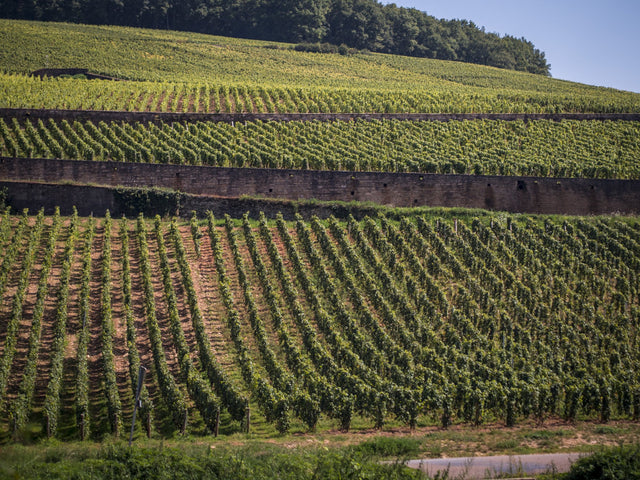
Pinot Noir is a thin-skinned, notoriously difficult-to-grow, low-yielding grape that finds its ancestral home in Burgundy, France, where it produces some of the world's most elegant and nuanced wines. While Burgundy remains its spiritual heartland, Pinot Noir has since traveled the globe, finding success in other cooler climates, notably in California, Oregon, New Zealand, and Germany. This grape is a challenge for any grower, as it requires specific conditions to show its best, and yet the wines it produces are capable of such a captivating and singular character.
Pinot Noir
Certified Biodynamic vineyard farming is a holistic approach building upon organic principles, viewing the vineyard as a self-contained ecosystem influenced by cosmic rhythms. Based on Rudolf Steiner's teachings, it integrates precise agricultural methods with lunar and astrological calendars, using natural preparations from herbs, minerals, and manure to enhance soil and plant health. Certification by organizations like Demeter International requires rigorous inspections to ensure strict compliance. Biodynamic farming seeks not only high-quality wines but also ecological harmony, sustainability, and deeper connections among land, plants, animals, and humans.