

Domaine Marquis d’Angerville Meursault 1er Cru Santenots 2023 1.5L
We have 1 in stock (Inventory is live and accurate)
The Land
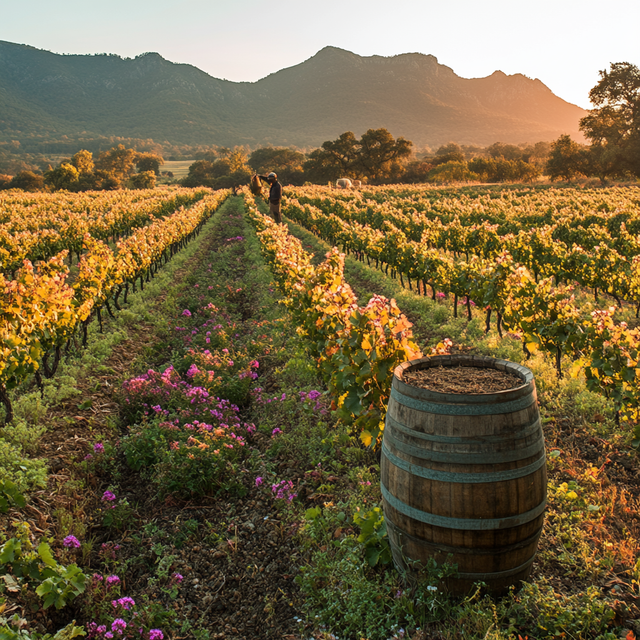
This is a Meursault from a Volnay house, from a vineyard most of its owners plant to red. Santenots lies inside the commune of Meursault on the Volnay border; by long tradition its Pinot Noir is sold as Volnay-Santenots and its Chardonnay as Meursault 1er Cru Santenots. D'Angerville farms 1.05 hectares here, its only white above regional level, with vines averaging 20 to 25 years old. The soil is limestone with plenty of marl and clay, which gives Chardonnay weight and a broad, layered texture rather than the stony cut of the premier crus farther south toward Puligny. The vineyard has its hard years too: frost took the entire 2016 crop.
The Wine
The Domaine Marquis d'Angerville Meursault 1er Cru Santenots 2023 is 100% Chardonnay, fermented and aged in barrel. 2023 was a warm, high-yielding year across the Côte de Beaune, the kind of season that tests whether a white can keep its tension. The domaine farms biodynamically and brought in a full crop without green harvesting. In recent vintages this wine has shown complex citrus and a faint spice in the aromatics, then a broad, textured palate with real volume and a long, saline finish. Expect the same shape here, with the warm year adding a little more ripe pear and stone fruit. It drinks well young and will keep for eight to ten years.
The People
The domaine is moving toward its next generation. Guillaume d'Angerville's daughter Margot has joined the estate and is training to take it on in time, working alongside her father and François Duvivier, who has run the vines and cellar since 2005. She inherits a house that has never treated white wine as an afterthought despite its red reputation: the Santenots gets the same biodynamic farming and the same attention as the Clos des Ducs. Guillaume himself came to the domaine from investment banking after his father Jacques died in 2003, and the handover to Margot is being built slowly and deliberately, the way the family handled the last one.
Food Pairing
Santenots has the body for richer dishes. Roast a thick halibut fillet and serve it with beurre blanc and leeks; the wine's broad texture and citrus finish match the sauce. Crab cakes with a lemon aioli play to its salinity. Butternut squash ravioli in brown butter with sage meets its weight and spice. Pork tenderloin with an apple cider cream sauce is the cold-weather version. This is the magnum, which slows the wine's development and makes it a centerpiece: chill it for two hours and pour it for a table of eight.
We ship wine to most states with a $100 minimum order for shipping. We don't ship spirits nor beer.
Weather shipping advisory: Orders placed during times of extreme heat or extreme cold will be held for no charge until more favorable weather returns.
Domaine Marquis d’Angerville
- Est.1804
- RegionBurgundy - Cote d'Or
- FarmingFarming - Certified Biodynamic
- In stock17 wines →
Burgundy, in eastern France, encompasses several subregions, but it is the Côte d'Or that is home to many of the world's most expensive and revered wines. The region, primarily a single east-facing slope, has mixed limestone soils that vary dramatically from village to village and even vineyard to vineyard. White wines, crafted from Chardonnay, range from rich and opulent to lean and intensely mineral, while Pinot Noir produces silky, perfumed red wines of exceptional finesse and complexity. Centuries of winemaking tradition have resulted in every plot being meticulously recognized and scrutinized, making the Côte d'Or a true capital of terroir.
Burgundy - Cote d'Or

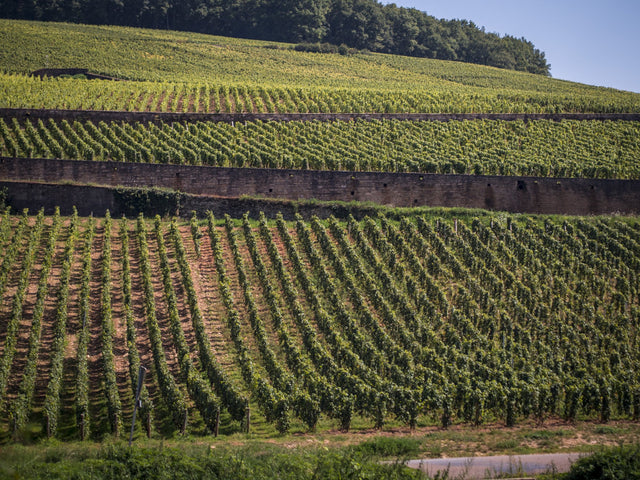
Chardonnay, one of the world's most versatile and beloved white grape varieties, showcases a remarkable spectrum of styles, from the lean, mineral-driven expressions of Chablis in France to the rich, buttery, and oak-aged versions from California's Napa Valley. Its adaptability extends to cooler climates such as Burgundy, where it achieves elegance and complexity, and to regions like Australia's Yarra Valley, known for producing vibrant and fruit-forward renditions. This grape's ability to reflect its terroir, coupled with winemaking techniques, results in a wide array of profiles, including unoaked, crisp varieties with apple and citrus notes, to full-bodied wines with tropical fruit flavors and creamy textures.
Chardonnay
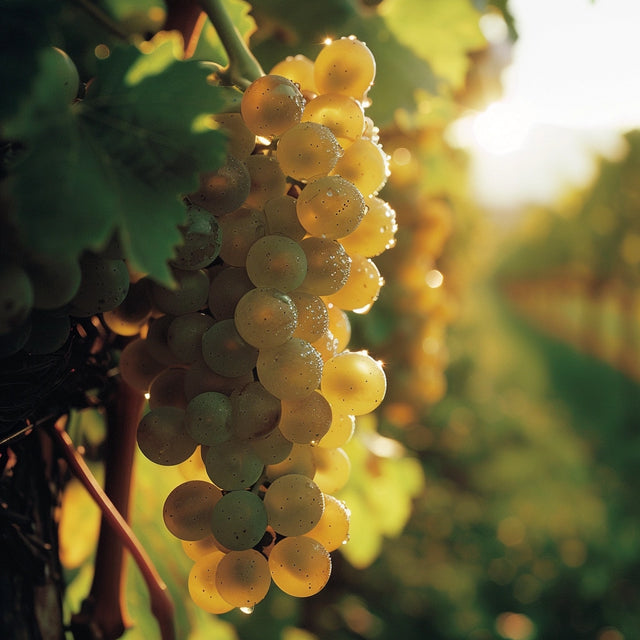
Certified Biodynamic vineyard farming is a holistic approach building upon organic principles, viewing the vineyard as a self-contained ecosystem influenced by cosmic rhythms. Based on Rudolf Steiner's teachings, it integrates precise agricultural methods with lunar and astrological calendars, using natural preparations from herbs, minerals, and manure to enhance soil and plant health. Certification by organizations like Demeter International requires rigorous inspections to ensure strict compliance. Biodynamic farming seeks not only high-quality wines but also ecological harmony, sustainability, and deeper connections among land, plants, animals, and humans.