Kuenhof Sylvaner 2024
We have 2 in stock (Inventory is live and accurate)
We ship wine to most states with a $100 minimum order for shipping. We don't ship spirits nor beer.
Weather shipping advisory: Orders placed during times of extreme heat or extreme cold will be held for no charge until more favorable weather returns.
Kerner is a white crossing of Trollinger (Schiava) and Riesling, bred in Württemberg in 1929 and named for the poet Justinus Kerner. It shares Riesling's backbone of acidity but ripens more easily, giving aromatic wines of apricot, green apple, white flowers and a slight muscat note. In Germany it is widely planted in the Pfalz and Rheinhessen, but its most celebrated expression comes from Italy's Alto Adige and especially the Valle Isarco, where high, cold vineyards make Kerner crisp, mineral and remarkably precise. It also does well in England and Japan's Hokkaido.
Kerner
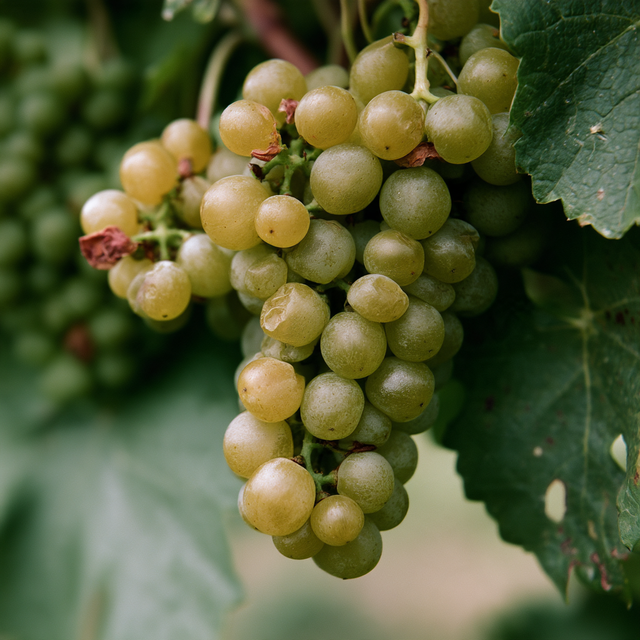
Practicing Organic vineyard farming involves growing grapes using organic methods—avoiding synthetic fertilizers, herbicides, pesticides, and fungicides—but without formal certification. Wineries adopting this approach prioritize environmental health, soil vitality, and biodiversity, using natural practices such as composting, cover cropping, and manual pest control. Many small wineries opt for practicing organic methods rather than pursuing official organic certification, primarily due to the significant cost, paperwork, and time commitment involved in certification processes. As a result, practicing organic is a popular choice among boutique and artisanal producers who remain committed to sustainable agriculture while managing budgetary constraints.