

Paolo Bea Montefalco Rosso Riserva Pipparello 2019
We have 12 in stock (Inventory is live and accurate)
Summer Shipping Advisory: Orders may be temporarily held during periods of extreme heat to ensure wine arrives in optimal condition.
View current shipping weather map →
The Land
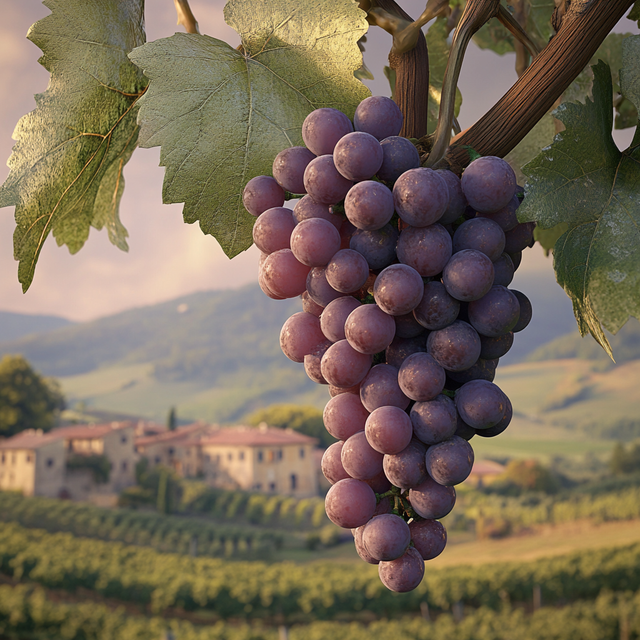
Montefalco is Sagrantino country, yet Paolo Bea's Pipparello is mostly Sangiovese. The wine comes from the Pipparello vineyard, a hilltop parcel near Montefalco at around 400 meters, roughly 1,300 feet. Montefalco sits on a ridge above the Umbrian valley between Perugia and Spoleto, a landlocked, continental spot with hot summers, cold winters, and clay-heavy soils that give its reds power and tannin. Pipparello's clay and gravel push Sangiovese toward depth and dark fruit, while the elevation keeps acidity intact through the long ripening season. The Bea family farms its vineyards organically, without herbicides, pesticides, or chemical fertilizers, alongside olive groves and vegetable gardens on the same property.
The Wine
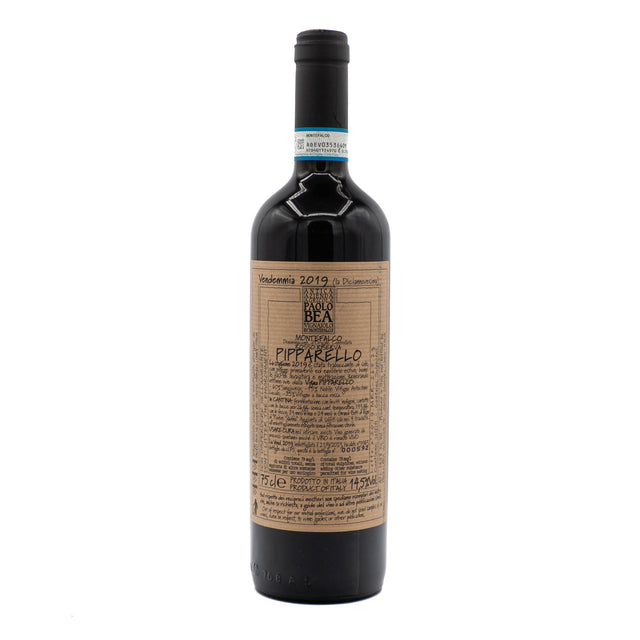
Paolo Bea Montefalco Rosso Riserva Pipparello 2019 is typically a blend of about 60% Sangiovese, 25% Montepulciano, and 15% Sagrantino. Grapes are soft crushed into steel vats and macerate on their skins for roughly 40 to 50 days, an extraordinary length for a Rosso, followed by about a year in steel and then extended aging in large Slavonian oak casks before an additional year in bottle. It is bottled unfined and unfiltered. The 2019 season opened cold and wet, with spring rainfall nearly double normal, then turned hot and dry in June; a long, late harvest delivered very ripe, concentrated grapes. Expect deep garnet color, sappy black cherry, mulberry, and cassis over leather, dark spice, and turned earth. The long maceration builds a dense, chewy frame, and Sagrantino's grip carries a finish that lingers.
The People
The Bea name appears in Montefalco records as early as the 1500s, but Paolo Bea only began commercial wine production in 1980, moving the farm away from cattle. His son Giampiero trained as an architect in Rome and worked with eco-friendly building materials before joining his brother Giuseppe in the mid-1980s; Giuseppe runs the vineyards, while Giampiero drives the cellar and the philosophy. Giampiero co-founded ViniVeri with Stanko Radikon, Angiolino Maule and others, the growers' group that helped launch Italy's natural wine movement, and he has long argued that wine labels should list every additive in the bottle. The family still runs it as a whole farm, vines beside olive groves and vegetable gardens, rather than as a wine label.
Food Pairing
Decant an hour ahead and serve with porchetta roasted with wild fennel and garlic; the tannin cuts through the crackling and fat. Lentils from Castelluccio braised with pork sausage meet the wine's earthy core. Pappardelle with wild boar ragù matches its density and dark fruit. For something simpler, shave black truffle over fried eggs, letting the wine's leather and earth meet the truffle head on. Pipparello is the Bea wine to open when you want the house's intensity with Sangiovese's lift.
We ship wine to most states with a $100 minimum order for shipping. We don't ship spirits nor beer.
Weather shipping advisory: Orders placed during times of extreme heat or extreme cold will be held for no charge until more favorable weather returns.
Central Italy, excluding Tuscany, encompasses the varied regions of Lazio, Umbria, Marche, Abruzzo, and Emilia-Romagna, each contributing distinct expressions to the country’s wine landscape. The Apennine Mountains run through much of the area, creating dramatic elevation shifts that moderate the warm Mediterranean climate and preserve freshness in the wines. Verdicchio from Marche and Trebbiano from Abruzzo are among the standout white wines, while red wines from Montepulciano, Sangiovese, and Sagrantino show depth and regional character. Volcanic soils near Rome, limestone in Marche, and clay-rich hills in Umbria all contribute to a diverse range of terroirs. These regions blend ancient viticultural heritage with a growing wave of quality-focused producers.
Italy - Central Italy

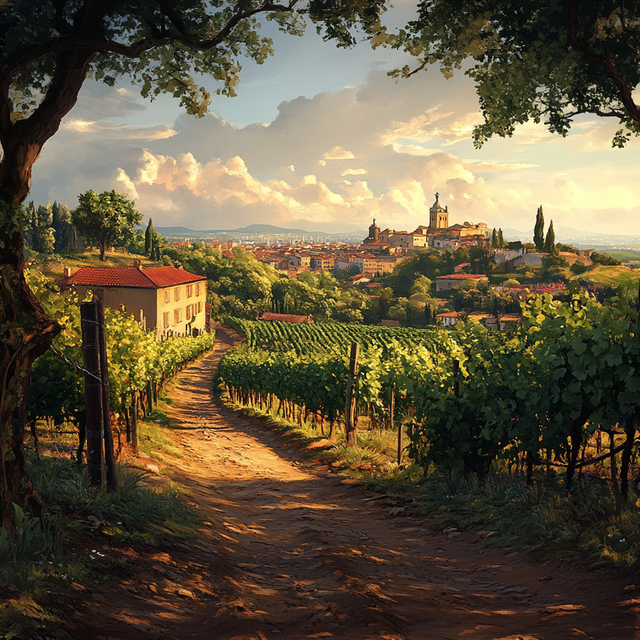
Sangiovese is Italy’s most widely planted red grape and the backbone of many of the country’s most renowned wines, including Chianti Classico, Brunello di Montalcino, and Vino Nobile di Montepulciano. Its name likely derives from the Latin “sanguis Jovis,” or “blood of Jupiter,” hinting at its ancient Roman roots. While native to central Italy, particularly Tuscany, it is also grown in regions like Umbria, Emilia-Romagna, and even scattered sites abroad. Sangiovese is known for its high acidity, firm tannins, and bright red fruit character, often showing notes of sour cherry, dried herbs, and earthy spice. Its structure and versatility make it a natural match for food and a compelling lens through which to explore regional terroirs.
Sangiovese
Certified Organic farming is an agricultural practice where vineyards adhere to strict regulations prohibiting the use of synthetic pesticides, herbicides, fungicides, and fertilizers. Instead, certified organic growers rely on natural alternatives, including compost, cover crops, and beneficial insects, to nourish the soil and manage pests. Certification requires compliance with established organic standards, typically verified by third-party agencies such as USDA Organic in the United States or EU Organic in Europe. This method emphasizes ecological balance, biodiversity, and sustainability, aiming to produce high-quality grapes and wines while reducing environmental impact and promoting long-term vineyard health. Organic farming is not allowed to use Glyphosate.