

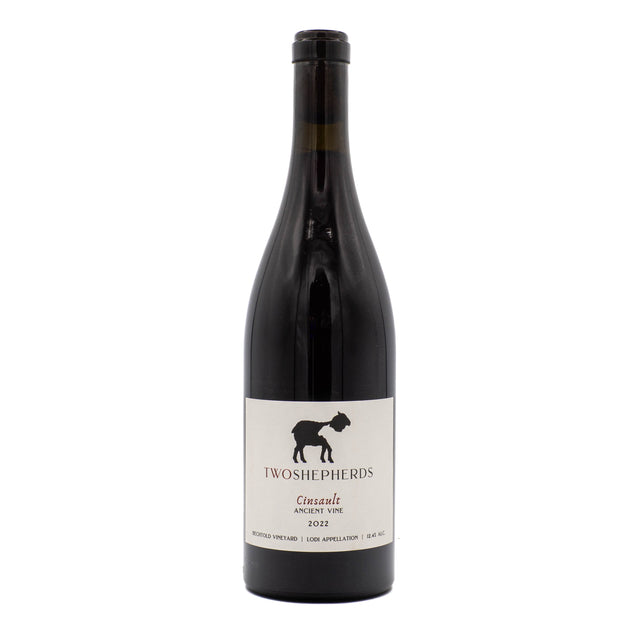
Two Shepherds Bechthold Vineyard Cinsault 2022
We have 9 in stock (Inventory is live and accurate)
Summer Shipping Advisory: Orders may be temporarily held during periods of extreme heat to ensure wine arrives in optimal condition.
View current shipping weather map →
The Land
Lodi has a reputation for big, warm-climate Zinfandel, which makes the most historically important vineyard in the appellation a strange fit. Bechthold Vineyard was planted in 1886 and is the oldest surviving Cinsault planting anywhere in the world. The vines are head-trained, dry-farmed, and still on their own roots after nearly 140 years, sitting on deep sandy soils in the Mokelumne River sub-appellation. Sand is the reason they survived: phylloxera cannot move through it. The other reason Lodi works better than its reputation suggests is the Delta breeze, cold air pulled inland from San Francisco Bay every afternoon, which drops night temperatures sharply and preserves acidity in a place that reads hot on a map.
The Wine
100% Cinsault from Bechthold. The fruit comes in whole cluster, gets a light foot tread, and ferments semi-carbonic in small three-quarter-ton picking bins, then goes straight to neutral French oak puncheons without settling for around seven months of elevage. No new oak, no fining, minimal handling. That method is built to protect a grape with naturally low color and low tannin rather than to compensate for it. The wine is pale, almost translucent, with wild strawberry, red plum, dried rose, orange peel, and a peppery, dusty finish. Body is light, acidity is high, tannin is fine and barely there. 2022 brought an extreme Labor Day heat event across interior California, and the year rewarded producers who picked ahead of it and kept extraction light.
The People
William Allen started Two Shepherds in 2010 as a micro-winery focused on Rhone varieties that nobody else in California was taking seriously; Karen Daenen joined as a partner in 2015. They work out of Windsor in Sonoma County, where they hand-farm a small organic Grenache and Grenache Gris vineyard of their own, with a donkey turning the soil in winter and a cat handling the gophers. For everything else they lease specific rows from small family-owned growers on long-term contracts, farming those blocks to their own specifications. Bechthold is farmed sustainably and dry-farmed, and Two Shepherds is one of a handful of producers trusted with fruit from it.
Food Pairing
Light, high-acid, and peppery, so it belongs with food rather than in front of it. Grilled pork chops with peaches and thyme, salmon with herb butter, mushroom and gruyere tart, or a plate of soft cheeses and charcuterie all work. The acidity handles fat and the low tannin means it will not clash with fish or spice. Serve it at 55 to 60 degrees; this is a red that gets meaningfully better with 20 minutes in the fridge and meaningfully worse at room temperature.
We ship wine to most states with a $100 minimum order for shipping. We don't ship spirits nor beer.
Weather shipping advisory: Orders placed during times of extreme heat or extreme cold will be held for no charge until more favorable weather returns.
Lodi and the Sierra Foothills, while distinct regions, share a common thread as areas of California that offer a different experience from the state's more famous coastal appellations. Lodi, located in the Central Valley east of San Francisco and just south of Sacramento, is characterized by a Mediterranean climate with warm days and cool nights, benefiting from delta breezes. The Sierra Foothills, as the name suggests, lies further east, in the foothills of the Sierra Nevada mountains, with varied elevations and a warmer, drier climate. Both areas have a large quantity of old vines, proof of a long history of grape growing. Often seen as an insider's secret, these areas are garnering increased attention for their ability to produce Zinfandel, along with other varieties, offering distinct expressions of California terroir.
California - Lodi & Sierra Foothills

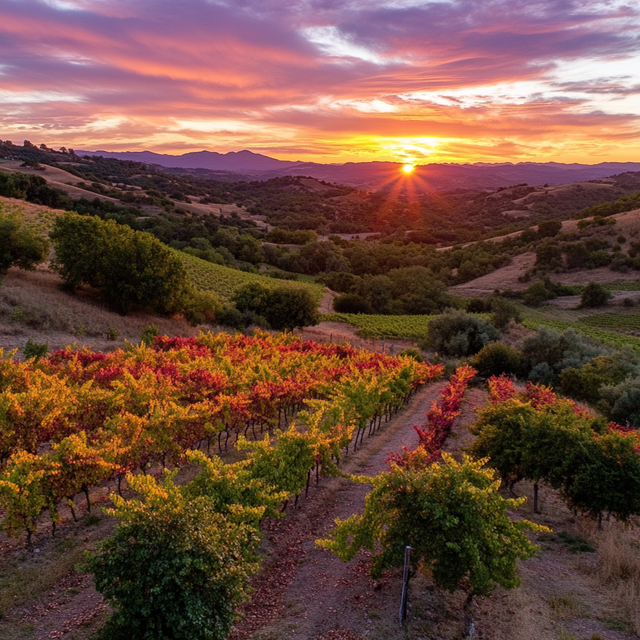
Cinsault, a heat-tolerant red wine grape, flourishes in southern France and is also making significant strides in Chile, particularly in the Itata Valley. Known for its high yields, Cinsault in France is a staple in the aromatic profiles of Languedoc-Roussillon wines and Provençal rosés, where it imparts delicate red fruit flavors and floral notes. In Chile, Cinsault is increasingly appreciated as a standalone varietal wine, celebrated for its bright acidity, red berry flavors, and soft tannins. This adaptability makes it a favorite for crafting approachable, easy-to-drink wines, particularly appealing in its pure, unblended form in the Itata Valley, marking a distinctive presence in the wine landscape.
Cinsault
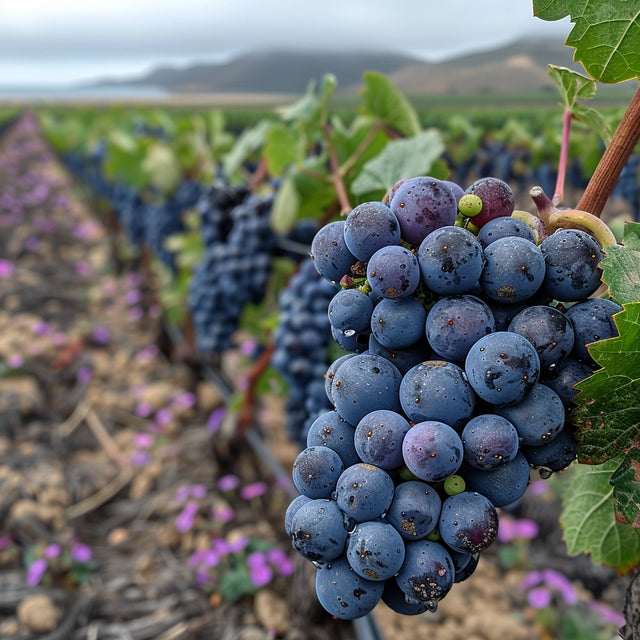
Sustainable vineyard farming is an environmentally conscious approach that prioritizes long-term ecological balance, economic viability, and social responsibility. Unlike organic farming, sustainable practices do not necessarily exclude synthetic chemicals, but rather focus on minimizing their usage, carefully managing resources like water and energy, protecting biodiversity, and reducing waste and carbon footprint. Wineries employing sustainable methods often integrate modern technology and traditional practices to improve efficiency and maintain healthy vineyards. Certifications like "SIP Certified" or "LIVE Certified" help validate sustainability efforts. However, sustainable farming differs distinctly from organic, as sustainable producers may use synthetic inputs in moderation if deemed necessary for the overall health and productivity of their vineyards.