

E. Pira Dolcetto d'Alba 2024
We have 0 in stock (Inventory is live and accurate)
The Land
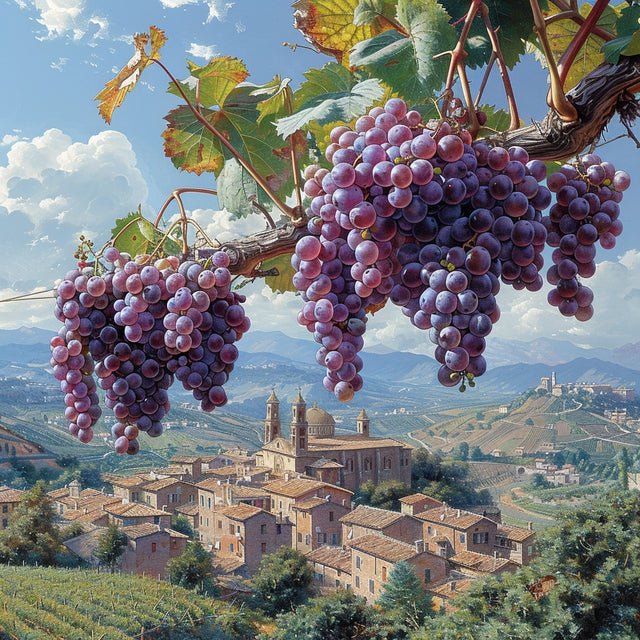
In Monforte d'Alba, Dolcetto shares hillsides with some of Barolo's most coveted Nebbiolo. E. Pira's comes from three sites in the commune, Ravera di Monforte, Le Coste di Monforte, and Mosconi, all Barolo MGAs, at an average of about 400 meters. The soils are Serravallian: calcareous clay that fades to pale gray and pink, layered with siliceous sandstone rich in calcium carbonate and iron. Dolcetto is usually planted where Nebbiolo struggles to ripen, so finding it on Barolo cru sites is unusual. The altitude keeps it fresh, and the marl gives it a firmer frame than most Dolcetto d'Alba. This is Dolcetto with a Barolo address, and it shows in the glass.
The Wine
E. Pira Dolcetto d'Alba 2024 is 100% Dolcetto, fermented in temperature-controlled stainless steel with daily punch-downs and pump-overs, and raised only in steel. It rests two to four months in bottle before a spring release. No wood touches it, so the fruit and the grape's dusty grip come through with nothing in the way. Expect intense ruby with purple highlights, violet, marasca cherry, and wild strawberry, then black currant, graphite, and a tomato-leaf edge. The palate is dry and full, with light, dusty tannin, vivid acidity, and a mouthwatering finish. 2024 was a hard year in the Langhe: steady rain from late May through June brought downy mildew, summer ran hot without extreme peaks, and growers had to thin crops ahead of a wet autumn. In Piedmont the vintage produced lighter wines with moderate alcohol, which suits a Dolcetto built for freshness.
The People
E. Pira released its first Dolcetto in 1990, the same year Chiara Boschis took over the estate, and for two decades she ran it essentially alone. That changed in 2010, when her brother Giorgio joined as co-owner. Giorgio grew up inside another Barolo institution, Giacomo Borgogno & Figli, which the Boschis family ran until its sale in 2008. He brought decades of vineyard and cellar experience, along with his wife Daniella and their three daughters, Beatrice, Elena, and Vittoria, who now work at the winery as the next generation. The organic conversion began that same year, and the 2014 harvest was the first certified organic vintage. Even the everyday wine here comes from certified organic Barolo cru sites.
Food Pairing
The estate calls Dolcetto il vino quotidiano, the everyday wine, and that is how to use it. Vitello tonnato, thin slices of cold poached veal under a tuna-caper sauce, is the Piedmont antipasto it was made for: the acidity cuts the mayonnaise and the light tannin never fights the fish. Pizza with fennel sausage and broccoli rabe meets the wine's leafy, graphite edge. Minestrone with borlotti beans and a Parmigiano rind works because the bright fruit holds up to tomato and the tannin grips the beans. Give it a slight chill. This is the red you open on a weeknight without thinking twice.
We ship wine to most states with a $100 minimum order for shipping. We don't ship spirits nor beer.
Weather shipping advisory: Orders placed during times of extreme heat or extreme cold will be held for no charge until more favorable weather returns.
Piedmont, framed by the Alps in northwestern Italy, is a land of rolling hills and carefully cultivated vineyards. The continental climate, with its cold winters and warm summers, creates prime conditions for the Nebbiolo grape, which dominates much of the region's red wine production. The Langhe area is home to Barolo and Barbaresco, structured red wines known for their complex aromas, firm tannins, and aging potential. While Nebbiolo is the dominant grape of Piedmont, the region also makes interesting white wines like those from Arneis and Timorasso. Alto Piemonte is a separate region in the north with its own distinctive expressions of Nebbiolo, alongside other red grape varietals.
Italy - Piedmont

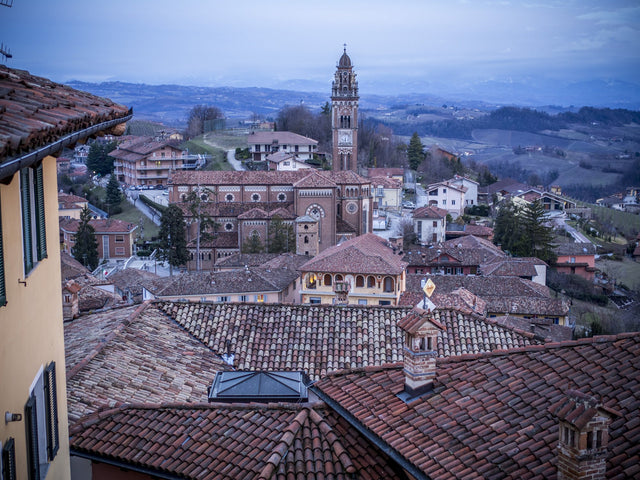
Dolcetto is a black grape variety native to the Piedmont region in northwest Italy, cherished for its ability to produce soft, fruit-forward red wines with relatively low acidity and a pleasing bitter finish. Known for its early ripening, Dolcetto yields wines that are typically deep in color, offering aromas of black cherry and licorice, making them highly approachable in their youth. The grape is most commonly associated with wines from Dogliani, Alba, and Asti, where the varietal's characteristics are celebrated in their purest form. While not as prestigious as Nebbiolo-based wines like Barolo and Barbaresco, Dolcetto holds a beloved place in Piedmontese wine culture for its straightforward, deliciously fruity profile and its versatility with food.