

Agrapart & Fils Avizoise Blanc de Blancs Grand Cru Extra Brut 2019
We have 1 in stock (Inventory is live and accurate)
The Land
Chalk gets the credit in the Côte des Blancs, but L'Avizoise is a wine about clay. Avize is a Grand Cru village whose hillside changes as it climbs: near the bottom the chalk is close to the surface, while toward the top, where the vines meet the forest, a heavier layer of clay and limestone covers the chalk. Agrapart draws L'Avizoise from old vines in clay-rich parcels high on that slope. The richer soil and the altitude near the tree line push the Chardonnay toward more weight, more texture, and riper fruit than the estate's chalk-bed sites. Put it next to Agrapart's Minéral to taste what soil alone does within one village.
The Wine
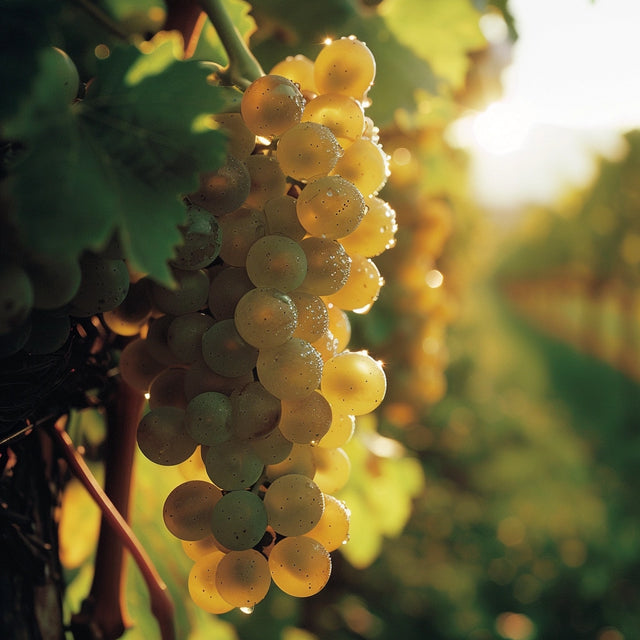
Agrapart Avizoise 2019 is 100% Chardonnay, a Grand Cru Blanc de Blancs fermented and raised entirely in 600-liter demi-muids, then aged just over five years on its lees before disgorgement in 2025. It was bottled without dosage; the Extra Brut label reflects a few grams of natural residual sugar, not any added liqueur. Seasoned wood and long lees contact give it a broad, almost vinous texture. Expect orange confit, ripe peach, lemon curd, lime zest, and fresh bread, a dense, full-bodied middle with a fine, persistent mousse, and a long finish of chalk and orange peel. The 2019 vintage brought spring frost that destroyed about a fifth of the buds in Avize and Cramant, record heatwaves in June and July, and a 42°C peak on July 25. The reduced crop explains the concentration: this is a wine that will age on density as much as on acidity.
The People
For most of its history this house carried the name Agrapart & Fils, and the "Fils" has fresh meaning now. Pascal Agrapart, the fourth generation since Arthur Agrapart founded the estate in Avize in 1894, was joined by his son Ambroise with the 2018 vintage, which makes this 2019 one of the first wines made with the fifth generation in the cellar. Ambroise now manages a patchwork of mostly Grand Cru vineyards in Avize, Oger, Cramant, and Oiry, plus a little Pinot Noir in Avenay-Val-d'Or, and has added his own releases, including a Coteaux Champenois rouge. The farming has not changed: plowed soils, no chemical herbicides or pesticides, organic practice that the family has never bothered to advertise, and parcel-by-parcel vinification.
Food Pairing
L'Avizoise has the body to replace a white Burgundy at the table. Roast a chicken and finish the pan juices with cream and dried morels; the wine's breadth matches the sauce while its acidity keeps each bite light. Butter-poached lobster with a squeeze of lemon plays the ripe orchard fruit against the sweet shellfish. Wild mushroom risotto finished with aged Parmigiano picks up the toasty, lees-driven side, and a wedge of 24-month Comté brings out the orange-peel finish. This is the bottle for the dinner where you want Champagne for the whole meal, not just the first glass.
We ship wine to most states with a $100 minimum order for shipping. We don't ship spirits nor beer.
Weather shipping advisory: Orders placed during times of extreme heat or extreme cold will be held for no charge until more favorable weather returns.
Champagne is the northernmost major wine region in France, defined by its cool climate, chalky soils, and centuries-old tradition of sparkling wine production. Centered around the towns of Reims and Épernay, the region is divided into key subzones like the Montagne de Reims, Vallée de la Marne, and Côte des Blancs, each favoring different grapes—Pinot Noir, Meunier, and Chardonnay respectively. The region’s signature chalk and limestone soils provide excellent drainage and impart a distinctive mineral character to the wines. While méthode champenoise was refined here in the 17th century, Champagne’s global prestige grew through the 19th and 20th centuries, cementing its role as the benchmark for sparkling wine worldwide.
Champagne

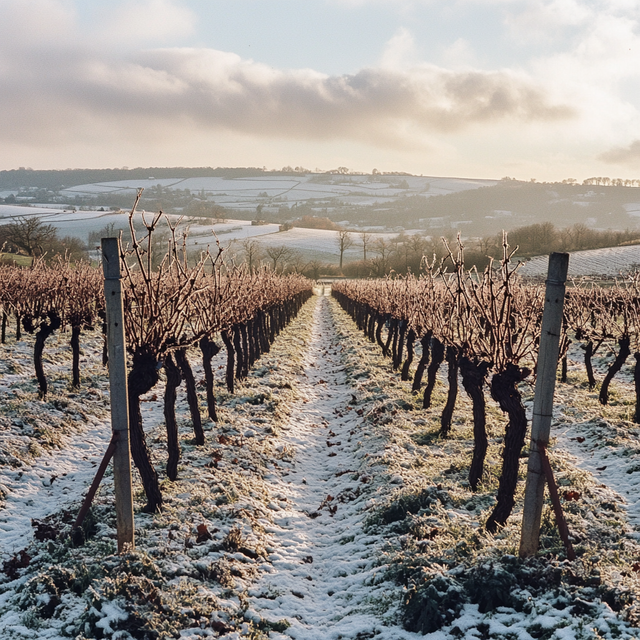
Chardonnay, one of the world's most versatile and beloved white grape varieties, showcases a remarkable spectrum of styles, from the lean, mineral-driven expressions of Chablis in France to the rich, buttery, and oak-aged versions from California's Napa Valley. Its adaptability extends to cooler climates such as Burgundy, where it achieves elegance and complexity, and to regions like Australia's Yarra Valley, known for producing vibrant and fruit-forward renditions. This grape's ability to reflect its terroir, coupled with winemaking techniques, results in a wide array of profiles, including unoaked, crisp varieties with apple and citrus notes, to full-bodied wines with tropical fruit flavors and creamy textures.