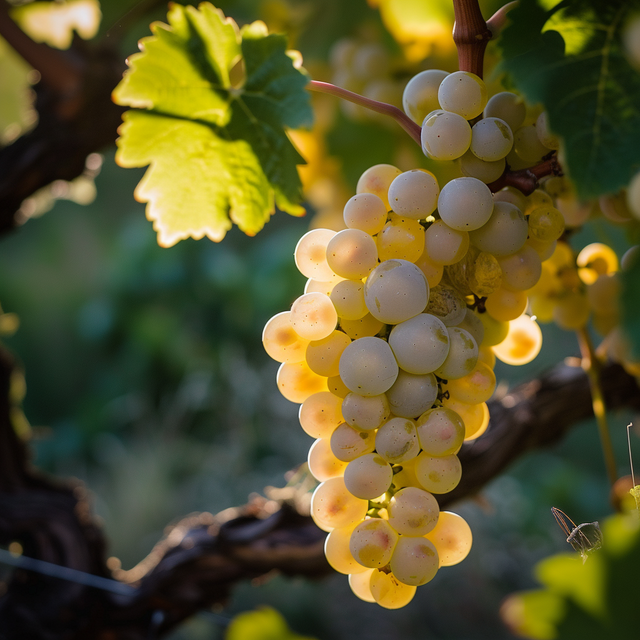


Bodegas Pentecostés Albariño 2024
We have 9 in stock (Inventory is live and accurate)
The Land
Most Albariño grows within sight of the rías, the drowned river mouths that give Rías Baixas its name. Bodegas Pentecostés farms instead in the Miñor Valley around Gondomar, a pocket of the DO that sits just above the O Rosal subzone, in a green bowl of Atlantic forest between Vigo and Baiona. It is a rare DO Rías Baixas vineyard in this valley. The vines grow on steep, rebuilt terraces of granite, close enough to the ocean that rain and fog shape nearly every season. Granite and maritime cool are why this Albariño from Rías Baixas leans toward tension and salinity rather than the riper style of warmer, inland Condado do Tea.
The Wine
Bodegas Pentecostés Albariño 2024 comes from estate vines planted in 2017. The grapes are hand-harvested and chilled overnight at 10°C before pressing. Fermentation runs slowly at cellar temperature, mostly in stainless steel with a small portion in French oak, and the wine then rests undisturbed on its lees for six months before bottling at 13.5 percent alcohol. The steel keeps the fruit sharp; the lees and the sliver of oak build a fuller core and a little breadth without dulling the acidity. In past vintages this has been a taut, mineral Albariño: lemon, green apple, and a brioche edge from the lees, mouthwatering acidity around a dense center of fruit, and a salty finish. Expect the 2024 to follow that line.
The People
Alberto Cabaco made his fortune in Galicia's fishing industry, like many of the people who own vineyards in Rías Baixas. Retired and without children, he returned to Gondomar, the village where he was born, and in 2017 began planting vines around two historic pazos. Pazo Barreiro, a 17th-century manor northeast of the village, anchors production; some 30 former parcels there were joined into a single estate and its terraces rebuilt to suit each exposure. Pazo de Moldes, also called Pousa de San Blas, began as a 13th- or 14th-century defensive tower and now houses the small winery. Winemaker and viticulturist Jorge Marcote calls his approach high attention, low intervention. He watches the vines daily, which in a climate this wet is what makes organic farming possible. The estate farms organically and plans to seek certification. The first vintage was 2021.
Food Pairing
Galician cooking is the obvious place to start. Steam mussels with white wine, garlic, and parsley and serve them with grilled bread; the wine's salinity and acidity match the brine. Pulpo a la gallega, boiled octopus over sliced potatoes with olive oil, flaky salt, and smoked paprika, works because the citrus cuts the oil and the lees texture holds up to the potatoes. Pan-seared halibut with lemon-caper butter plays to the wine's fuller core, and a plate of blistered padrón peppers with sea salt shows how the green-apple bite handles a little bitterness. Keep a bottle cold for the nights when dinner is whatever looked best at the fish counter.
We ship wine to most states with a $100 minimum order for shipping. We don't ship spirits nor beer.
Weather shipping advisory: Orders placed during times of extreme heat or extreme cold will be held for no charge until more favorable weather returns.
Galicia, located in northwest Spain, is a cool, green oasis renowned for its diverse wine regions like Rías Baixas, known for the crisp Albariño, and Ribeira Sacra, where the steep terraces nurture Mencía grapes, yielding wines with elegance and depth. The region's unique climate contributes to the fresh, aromatic, and mineral-driven character of its wines.
Spain - Galicia

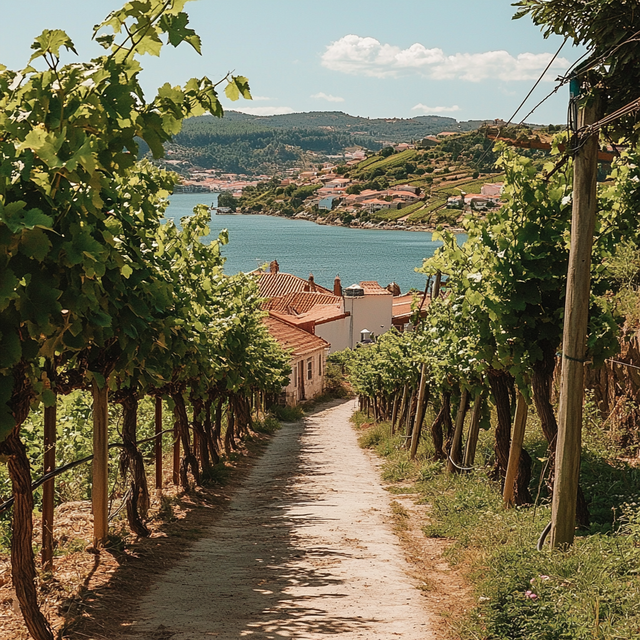
Albariño is a vibrant white grape variety from Spain's Rías Baixas region, known for its lively acidity, aromatic intensity of peach, citrus, and floral notes, and a distinct saline minerality, making it a refreshing choice for seafood pairings.