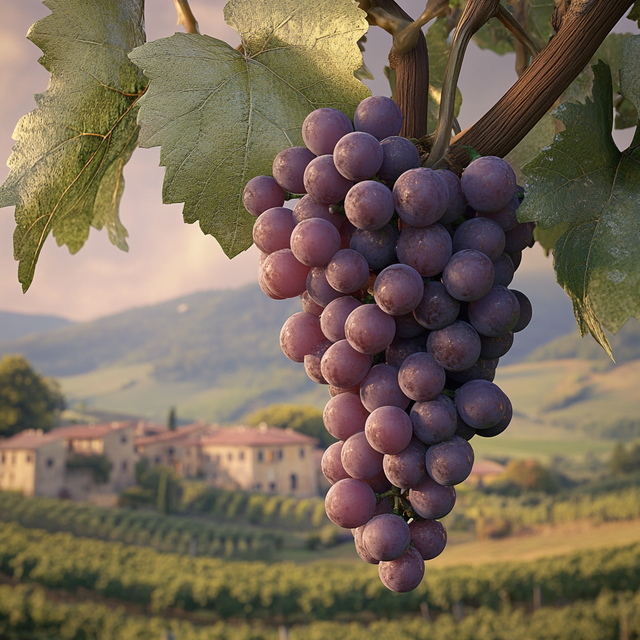


Cerbaiona Brunello di Montalcino 2019
We have 10 in stock (Inventory is live and accurate)
The Land
Montalcino is usually split into a cool north and a warm south. Cerbaiona belongs to neither. The estate sits on a ridge a few kilometers east of the town at about 400 meters, in the intermediate band of the appellation, where wines combine southern ripeness with northern freshness and structure. Vines here were already registered for taxation in 1454, and the villa and chapel date to the 1600s. The soils are stony, with galestro and veins of calcareous marl that drain freely and push Sangiovese toward firm tannin, while the elevation holds acidity. The estate now farms four hectares, after a steep former olive grove at the top of the hill was cleared and planted. Few properties this small carry as much weight in Montalcino.
The Wine
Cerbaiona Brunello di Montalcino 2019 is 100% Sangiovese, hand-harvested and aged at length in large traditional casks before further time in bottle. It is also a bridge vintage. The estate began uprooting and replanting as alberello, or bush vines, in 2016, staging the work over four years so production never stopped, and its first Brunello from the replanted vines is the 2021. Expect morello cherry, wild raspberry, rose stem, dried flowers, orange blossom, sandalwood, and earthy spice, with ripe, firm tannin, fresh acidity, and more weight than the estate usually shows. The 2019 season opened cool and wet, slowing the vines by about two weeks, then turned hot and dry with only brief spikes above 35°C. Two September showers delayed harvest and stretched out phenolic ripening.
The People
Diego Molinari was a retired Alitalia captain when he and his wife, Nora, bought Cerbaiona in 1977. He followed the traditionalist approach of Biondi-Santi: small crops, a wooden press, fermentation in cement, and four or more years in large cask. The first Brunello came from the 1981 vintage, and over the following decades the Molinaris turned a tiny farm into one of Montalcino's cult names. In 2015, after 38 years, they sold to a group led by Gary Rieschel, a Portland-born venture capitalist, with Matthew Fioretti as resident steward. Fioretti brought precision enology and new underground cellars while keeping long aging in cask at the center. The 2019 Brunello was made in that transition.
Food Pairing
Give this wine food with as much detail as it has. Roast a guinea hen wrapped in pancetta with sage and juniper; the floral, red-fruited side meets the herbs and the acidity cuts the pancetta. Fresh tagliolini tossed with butter and shaved black truffle lets the earthy spice and dried flowers come forward. A slow-roasted lamb shoulder with garlic, rosemary, and anchovy softens the firm tannin and plays to the wine's savory depth. Finish with a hunk of Parmigiano-Reggiano aged 36 months. Decant it for two hours, or lay it down and open it on an anniversary ten years from now.
We ship wine to most states with a $100 minimum order for shipping. We don't ship spirits nor beer.
Weather shipping advisory: Orders placed during times of extreme heat or extreme cold will be held for no charge until more favorable weather returns.
Tuscany is one of Italy’s most iconic wine regions, anchored by historic regions like Chianti and Montalcino, where Sangiovese thrives in clay-limestone soils and varying elevations. Chianti Classico produces medium-bodied, savory reds, while Montalcino’s warmer, drier conditions give rise to the powerful and long-lived Brunello. Along the Tuscan coast, regions like Bolgheri emerged in the late 20th century with the rise of Super Tuscans—often blends of international varieties like Cabernet Sauvignon and Merlot grown in marine-influenced soils. While overwhelmingly known for red wines, Tuscany is also home to great classic whites grown in San Gimignano and modern whites often made with French grape varieties.
Italy - Tuscany

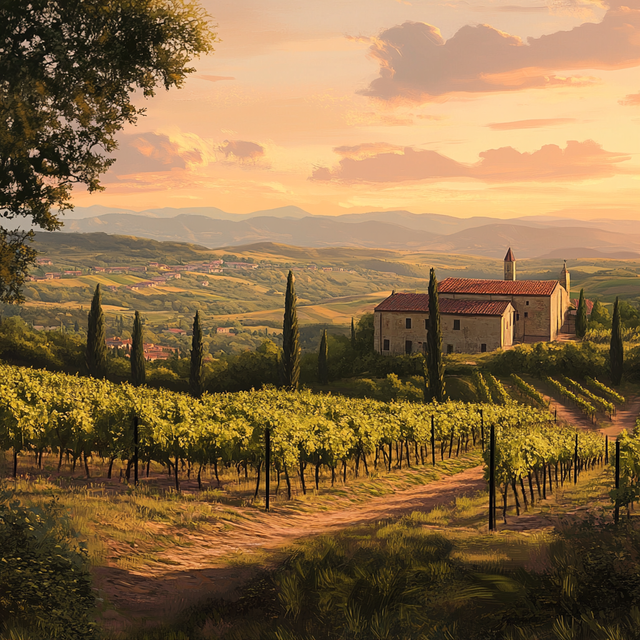
Sangiovese is Italy’s most widely planted red grape and the backbone of many of the country’s most renowned wines, including Chianti Classico, Brunello di Montalcino, and Vino Nobile di Montepulciano. Its name likely derives from the Latin “sanguis Jovis,” or “blood of Jupiter,” hinting at its ancient Roman roots. While native to central Italy, particularly Tuscany, it is also grown in regions like Umbria, Emilia-Romagna, and even scattered sites abroad. Sangiovese is known for its high acidity, firm tannins, and bright red fruit character, often showing notes of sour cherry, dried herbs, and earthy spice. Its structure and versatility make it a natural match for food and a compelling lens through which to explore regional terroirs.