

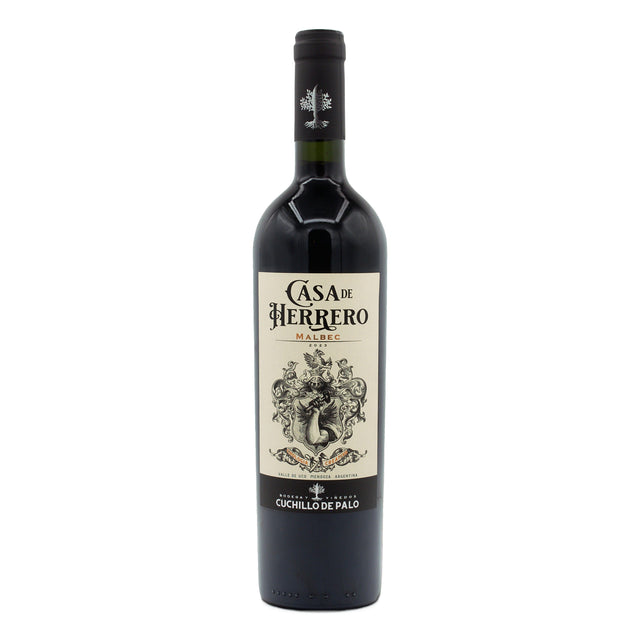
Cuchillo de Palo Casa de Herrero Malbec 2023
We have 12 in stock (Inventory is live and accurate)
The Land
This Malbec comes from the Uco Valley, the high-elevation stretch of Mendoza along the foot of the Andes that produces some of Argentina's most structured Malbec. The bodega's technical data places it in Vista Flores, in the department of Tunuyán, at 1,054 meters. Vista Flores sits on alluvial soils, mostly sandy loam mixed with rounded stones and pockets of lime, and its highest western vineyards reach about 1,200 meters. Altitude and dry mountain air keep acidity intact through a long season. The 2023 vintage was difficult: frosts struck on October 31 and November 1, 2022, a historic drought ran into the hottest summer in decades, and yields fell sharply. Harvest came about three weeks early, and winemakers reported unusually fresh wines with high natural acidity and low pH.
The Wine
Casa de Herrero is 100 percent Malbec, hand-harvested, and bottled at 13.5 percent alcohol. Argentine trade listings describe fermentation in small stainless steel tanks with about 20 days of total maceration, enough to fix deep color without pushing tannin. The wine also sees oak, and it shows. Expect a violet-red color, then blackberry, ripe plum and raspberry, cracked black pepper, and a layer of vanilla and baking spice from the barrel. The tannins are silky and the body is medium, with the bright acidity of a cool, frost-shortened year keeping the finish lively. This is Uco Valley Malbec built for the table, not for the cellar, and the low yields of 2023 show up as concentration.
The People
The names are the story here. "En casa de herrero, cuchillo de palo" is a Spanish proverb: in the blacksmith's house, the knife is made of wood. It is the Spanish-language cousin of the shoemaker's children going barefoot, and Bodega y Viñedos Cuchillo de Palo split it across its label, with the bodega taking the wooden knife and this cuvée taking the blacksmith's house. A sister wine, Ojo de Buen Cubero, borrows another old saying about judging by the trained eye of the cooper. The bodega publishes very little about itself, so we will stick to what is documented: a small Uco Valley label working mainly with Malbec, including a namesake Malbec that blends in small amounts of Cabernet Franc and Petit Verdot.
Food Pairing
Grill skirt steak over hardwood coals, rest it for five minutes, and spoon over a chimichurri of parsley, oregano, garlic, red wine vinegar and chili flakes; the vinegar and herbs meet the wine's acidity, and the tannin handles the char. Bake empanadas mendocinas filled with hand-cut beef, onion, cumin, green olives and hard-boiled egg; the cumin echoes the pepper in the glass. Make provoleta, a thick round of provolone grilled in a cast-iron pan until crusty and finished with oregano and chili; the fruit cuts the melted cheese. Choripán with salsa criolla works for a casual night. This is the bottle to open when the grill is going on the back patio and nobody wants to talk about wine.
We ship wine to most states with a $100 minimum order for shipping. We don't ship spirits nor beer.
Weather shipping advisory: Orders placed during times of extreme heat or extreme cold will be held for no charge until more favorable weather returns.
Mendoza is Argentina’s largest and most celebrated wine region, tucked into the foothills of the Andes in the country’s west. Sun-drenched days, cool mountain nights, and mineral-rich soils create ideal conditions for robust yet balanced wines. Although Malbec is the star here—yielding lush dark fruit and refined tannins—varietals like Cabernet Sauvignon, Chardonnay, and Torrontés also thrive. With each sub-region (from Luján de Cuyo to the Uco Valley) bringing its own distinct personality, Mendoza offers a vibrant tapestry of high-altitude vineyards that continue to elevate Argentine wine on the global stage.
Argentina - Mendoza

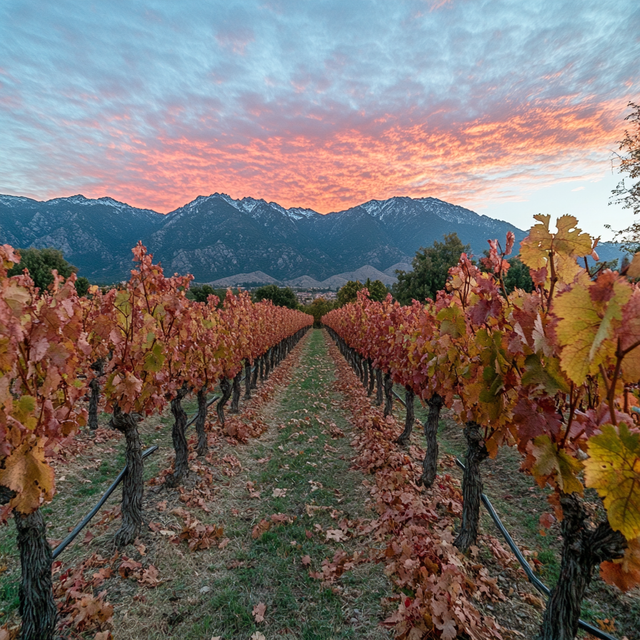
Malbec may have originated in France—where it features in Bordeaux blends, thrives in Cahors, and even appears in parts of the Loire Valley—but it’s become synonymous with Argentinian wine culture. This grape typically delivers concentrated dark fruit flavors like blackberry and black plum, accented by a subtle peppery spice and delicate violet aromas. French Malbec tends to be more structured, while its Argentine counterpart emphasizes plush tannins and robust fruit. Across both Old World and New, Malbec captivates with its velvety depth and distinctive charm.
Malbec
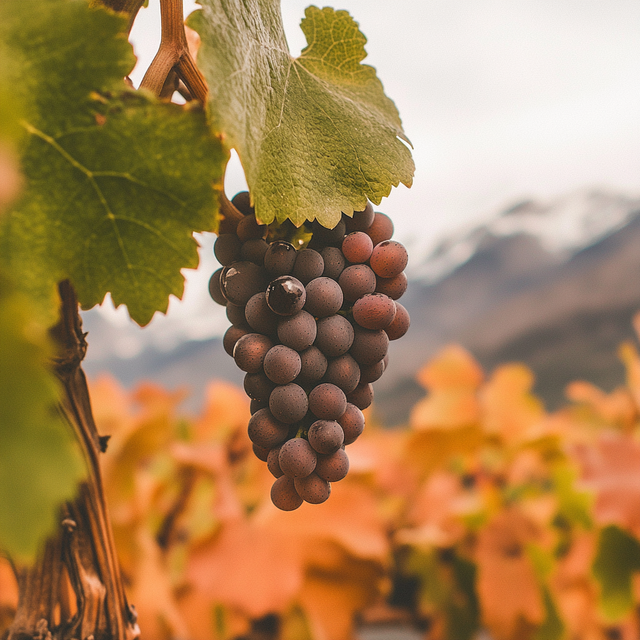
Practicing Organic vineyard farming involves growing grapes using organic methods—avoiding synthetic fertilizers, herbicides, pesticides, and fungicides—but without formal certification. Wineries adopting this approach prioritize environmental health, soil vitality, and biodiversity, using natural practices such as composting, cover cropping, and manual pest control. Many small wineries opt for practicing organic methods rather than pursuing official organic certification, primarily due to the significant cost, paperwork, and time commitment involved in certification processes. As a result, practicing organic is a popular choice among boutique and artisanal producers who remain committed to sustainable agriculture while managing budgetary constraints.