Tiny Whale Cabernet Sauvignon 2025
We have 8 in stock (Inventory is live and accurate)
The Land
Mendoza is a desert. The vineyards that made Argentina famous survive on snowmelt carried down from the Andes by rivers and canals, and without that water there would be no wine here at all. Tiny Whale comes from Bodega Norton, whose home vineyard sits in Perdriel, in Luján de Cuyo, on the south side of the Mendoza River. Norton's founder planted the first vineyard south of that river in 1895, and the winery later became the largest landholder in Luján de Cuyo with the purchase of Finca La Colonia in 1997. The combination of altitude, intense sun, dry air and cold Andean nights is what lets Cabernet Sauvignon from Mendoza ripen fully while keeping its herbal, peppery edge.
The Wine
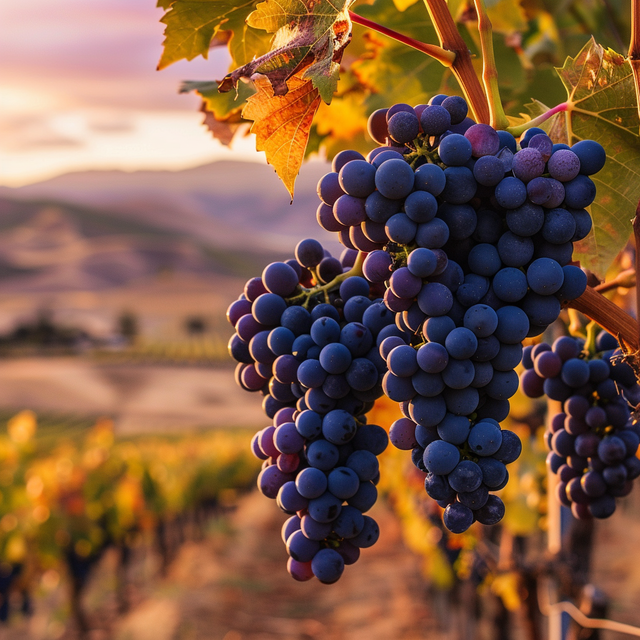
Cabernet Sauvignon usually plays second fiddle to Malbec in Argentina, but Mendoza's dry climate suits it well, and Tiny Whale Cabernet Sauvignon 2025 leans into the grape's classic varietal character rather than burying it under oak and sweetness. Norton describes the wine as built around pepper and red bell pepper, with red fruit underneath, a smooth texture and a long, even finish. Earlier releases have come in at a moderate 13 percent alcohol, light for Mendoza Cabernet, which keeps the wine fresh and lets the savory, green-pepper side of the grape show alongside cherry and red currant. Expect a medium-bodied, everyday red from Argentina, with soft tannin and enough grip for the dinner table. Norton publishes no vineyard or cellar specifics for the Tiny Whale label, so look to the grape and the style for what is in the glass.
The People
Bodega Norton is one of the oldest names in Argentine wine. Edmund James Palmer Norton, an English engineer, bought land in Perdriel and founded the winery in 1895. Norton claims a string of firsts: the first wine bottled at origin in Argentina, in 1910, and the first Malbec exported to the United States, in 1973. Its cellar still holds wines dating back to 1936. In 1989 the Austrian businessman Gernot Langes-Swarovski, of the crystal family, bought the estate, and his family has run it since, expanding into the Uco Valley and working with independent growers there. Tiny Whale is a playful label from a winery with 130 years of history behind it.
Food Pairing
Lean into the grill and the pepper. Grilled flank steak with chimichurri is the obvious move, and the herbal bite of the sauce lines up with the wine's green-pepper side while the soft tannin handles the char. Stuffed poblano peppers filled with ground beef, rice and Monterey Jack echo the bell pepper character directly. Choripán, grilled chorizo on a crusty roll with salsa criolla, gives the wine fat and smoke to work against. On a weeknight, try a skillet of sausage and roasted red peppers over polenta. This is the bottle for a backyard cookout where nobody wants to think too hard about the wine but everyone wants a second glass.
We ship wine to most states with a $100 minimum order for shipping. We don't ship spirits nor beer.
Weather shipping advisory: Orders placed during times of extreme heat or extreme cold will be held for no charge until more favorable weather returns.
Mendoza is Argentina’s largest and most celebrated wine region, tucked into the foothills of the Andes in the country’s west. Sun-drenched days, cool mountain nights, and mineral-rich soils create ideal conditions for robust yet balanced wines. Although Malbec is the star here—yielding lush dark fruit and refined tannins—varietals like Cabernet Sauvignon, Chardonnay, and Torrontés also thrive. With each sub-region (from Luján de Cuyo to the Uco Valley) bringing its own distinct personality, Mendoza offers a vibrant tapestry of high-altitude vineyards that continue to elevate Argentine wine on the global stage.
Argentina - Mendoza

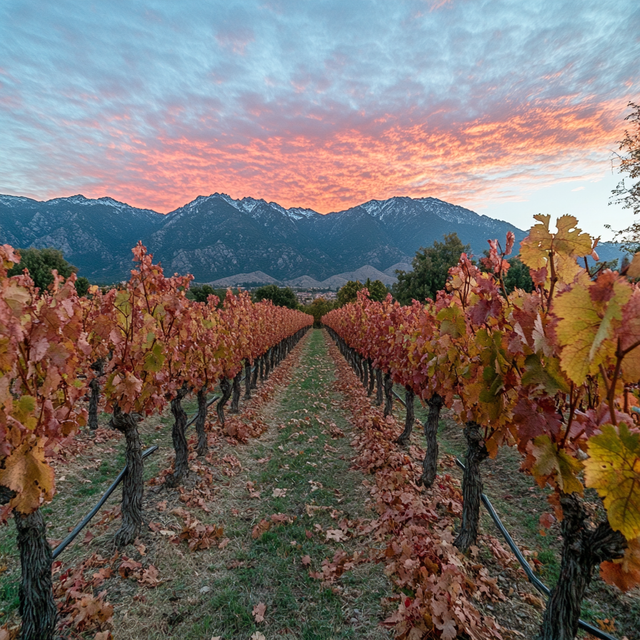
Cabernet Sauvignon, originally hailing from Bordeaux, France, has triumphantly spread to become a cornerstone of vineyards worldwide, achieving particular renown in Napa Valley. This versatile grape variety adapts to a broad spectrum of climates, producing full-bodied wines that are rich in black cherry and blackcurrant flavors, with layered complexities of oak and spice. The grape's success in regions like Napa Valley is a testament to its global adaptability, where it benefits from the optimal blend of warm days and cool nights, coupled with diverse soil types, to express a unique balance of power and elegance that pays homage to its Bordeaux origins.