

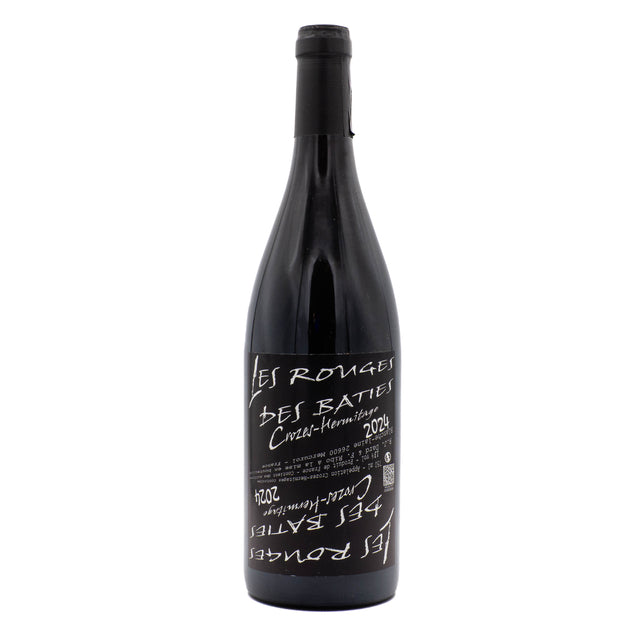
Dard & Ribo Crozes-Hermitage Les Rouge des Baties 2024
We have 2 in stock (Inventory is live and accurate)
Summer Shipping Advisory: Orders may be temporarily held during periods of extreme heat to ensure wine arrives in optimal condition.
View current shipping weather map →
The Land
Crozes-Hermitage is the largest appellation in the northern Rhone and most of it is flat. The plain south and east of Tain produces the bulk of what sells under the name, which is why Crozes carries a reputation as the region's everyday red. Larnage is the other Crozes. It sits in hills north of Tain, known locally less for wine than for the white kaolin quarried there to line bread ovens. Les Baties is the other soil at Larnage: red clay studded with rolled stones on a southeast-facing slope, 2.5 hectares of it, known to the village as Les Murettes. The clay holds water, the stones drain it, and that is why this parcel gets bottled on its own.
The Wine
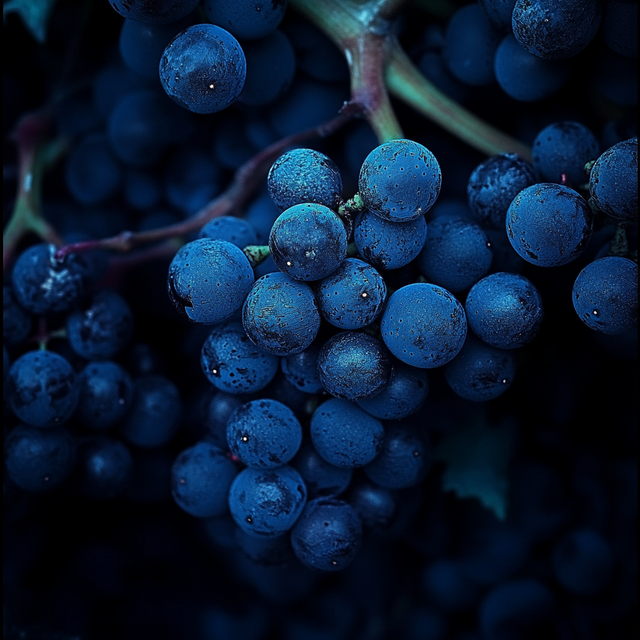
Syrah, from vines planted in 1923, in 1947 and 1948, and in 1987. Whole-bunch fermentation runs between 67 and 100 percent depending on the year, in open wooden vats, with two to three weeks of maceration worked by pumpovers. Elevage is 10 months in used 600-liter casks, then bottling unfined and unfiltered with minimal to no added sulfur. The 2024 is dark red, leafy raspberry and dried thyme over a lit-match reduction, then a supple, filled-out middle with tannins that sit padded rather than grippy, and a rose lift late. That texture is a vintage signature. 2024 in the northern Rhone brought precipitation 84 percent above the long-term average, relentless downy mildew, and poor fruit set that cut crop levels before the grapes had formed. August heat finally pushed ripening and the Syrah came in clean, giving reds built on freshness and aromatics rather than density.
The People
Dard and Ribo met at wine school in Beaune, started working together in 1980, and made the domaine official in 1983. Their timing was decisive: the first natural wine bars were opening in Paris over the same decade, and for years those bars took 70 to 90 percent of everything the domaine made. Rene-Jean Dard is careful about the label that got attached to them, describing the goal as making the best wine possible, with natural methods as a means rather than a creed. The domaine has kept its appellation names while much of the movement around it moved to vin de France. Farming is organic in practice and uncertified, treated only with copper and sulfur, yields held under 40 hectoliters per hectare, the steepest terraces worked with a horse and a cable pulley.
Food Pairing
This is northern Rhone Syrah for a Wednesday rather than a cellar. Roast chicken rubbed with cracked black pepper and thyme, pan juices poured back over, meets the herbal side head-on. A lentil and sausage braise with carrots and a lot of parsley gives the soft tannin something earthy to hold. Grilled skirt steak with chimichurri works because the acidity handles both the char and the raw garlic. A plate of saucisson sec with a young Saint-Marcellin is the easiest way to open this bottle. Serve it closer to 60 degrees than to room temperature.
We ship wine to most states with a $100 minimum order for shipping. We don't ship spirits nor beer.
Weather shipping advisory: Orders placed during times of extreme heat or extreme cold will be held for no charge until more favorable weather returns.
The Rhône Valley is a diverse and historic wine region, divided into two distinct areas. The Northern Rhône is the birthplace of Syrah, with steep, terraced vineyards that produce some of the world's most revered wines, such as those from Hermitage and Côte-Rôtie. The Southern Rhône is much more expansive, offering a wider range of styles, but typically based around Grenache-based blends, with wines from Châteauneuf-du-Pape known for their complexity and power. While the region is celebrated for its reds, it also produces incredible textured whites, and as a whole the region displays the spectrum of French wine and the incredible differences that can come from small geographic changes.
Rhone Valley

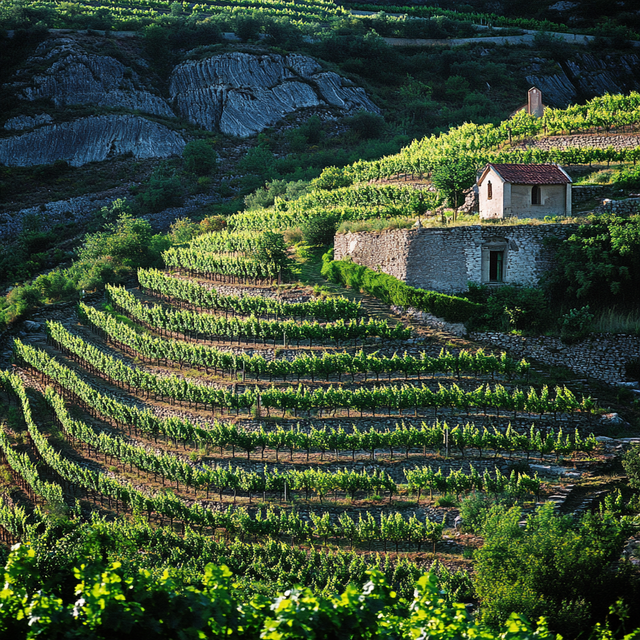
Syrah is a dark-skinned grape of French origin, specifically from the Northern Rhône Valley, where it produces some of the world's most powerful and complex wines. Known as Shiraz in Australia, Syrah is capable of displaying a wide range of aromas and flavors. Cool climate Syrahs tend to express floral notes like violets, along with savory elements like olives, while those grown in warmer climates like Australia are more likely to show black pepper and dark fruit notes such as plum. The grape's versatility allows it to adapt to various climates and soil types, but it maintains its unique characteristics no matter where it is planted.