Domaine Francoise André Corton-Charlemagne 2020
We have 2 in stock (Inventory is live and accurate)
The Land
Corton-Charlemagne is usually pictured on the Aloxe-Corton face of the hill, but much of the appellation sits on the Pernand-Vergelesses side, where the slope turns toward the west. Domaine Françoise André's parcel lies in the lieu-dit En Charlemagne on that Pernand side, high on the hill in limestone-rich soil. The name is literal: Charlemagne gave this vineyard to the collegiate church of Saulieu in 775, and the domaine's 0.35 hectares are a small piece of that historic holding. Françoise André chose sites like this deliberately, seeking cooler upper slopes and limestone-rich soils, and that position shows in a grand cru white wine built on cut and minerality rather than breadth.
The Wine
Domaine Françoise André Corton-Charlemagne 2020 is 100% Chardonnay. The grapes are hand-harvested and sorted twice, first in the vineyard and again on a table at the cellar. The whites are pressed in the morning and the juice goes into barrel by gravity that evening, then ages on its lees in 350-liter barrels, about 30 percent new, stirred only during fermentation. The larger barrels temper the oak and let the lees build texture. Expect lemon, white peach, and fresh hazelnut over chalk and crushed stone, a dense, tightly wound middle, and a long, saline finish. The 2020 season began about a month early and was the driest in Burgundy since 1945. Chardonnay flowered and set well, acidity stayed high, and the whites came out rich and ripe with a sharp, crystalline edge, built for long aging.
The People
Françoise and Michel André founded the estate in 1983, first under the name Domaine des Terregelesses, a blend of terroir and Vergelesses. In its early years Sylvain Pitiot of Clos de Tart made the wine, followed by Philippe Senard. In 2009 Lauriane André, the founders' daughter-in-law, originally from Lyon, took over rather than see the family sell the grapes or the domaine, and in 2010 it was renamed for Françoise. Lauriane ended herbicide use, and the domaine has been certified organic by Ecocert since 2012. She works with régisseur Jérôme Després from cellars on the Saint-Jean rampart, one of the last estates still making wine inside the old walls of Beaune. The domaine owns all of its vines, from Chorey and Savigny up to the Corton hill.
Food Pairing
Treat this as the centerpiece of the meal. Dover sole meunière with brown butter, lemon, and capers lets the acidity cut the butter while the saline finish matches the fish. A Dungeness crab gratin with Gruyère and a little Dijon plays to the wine's density and hazelnut side. Roast pork loin with apples and a Calvados cream sauce works because the wine's cut keeps the cream in check. For the holidays, roast turkey with chestnut and sage stuffing gives it the richness it wants. This is the bottle to decant for the year's biggest dinner, when the white wine deserves as much attention as the roast.
We ship wine to most states with a $100 minimum order for shipping. We don't ship spirits nor beer.
Weather shipping advisory: Orders placed during times of extreme heat or extreme cold will be held for no charge until more favorable weather returns.
Burgundy, in eastern France, encompasses several subregions, but it is the Côte d'Or that is home to many of the world's most expensive and revered wines. The region, primarily a single east-facing slope, has mixed limestone soils that vary dramatically from village to village and even vineyard to vineyard. White wines, crafted from Chardonnay, range from rich and opulent to lean and intensely mineral, while Pinot Noir produces silky, perfumed red wines of exceptional finesse and complexity. Centuries of winemaking tradition have resulted in every plot being meticulously recognized and scrutinized, making the Côte d'Or a true capital of terroir.
Burgundy - Cote d'Or

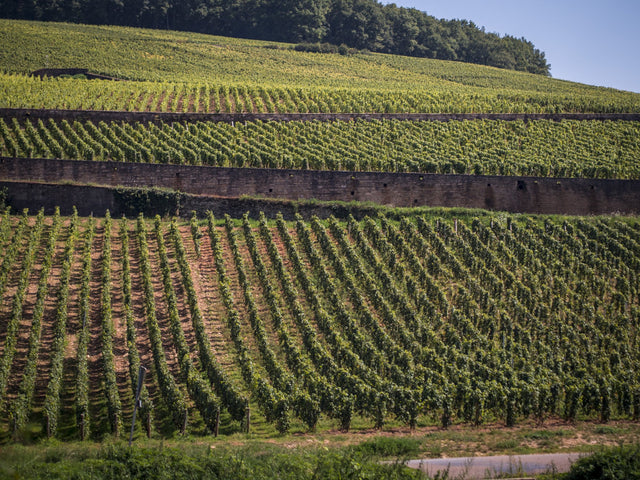
Chardonnay, one of the world's most versatile and beloved white grape varieties, showcases a remarkable spectrum of styles, from the lean, mineral-driven expressions of Chablis in France to the rich, buttery, and oak-aged versions from California's Napa Valley. Its adaptability extends to cooler climates such as Burgundy, where it achieves elegance and complexity, and to regions like Australia's Yarra Valley, known for producing vibrant and fruit-forward renditions. This grape's ability to reflect its terroir, coupled with winemaking techniques, results in a wide array of profiles, including unoaked, crisp varieties with apple and citrus notes, to full-bodied wines with tropical fruit flavors and creamy textures.