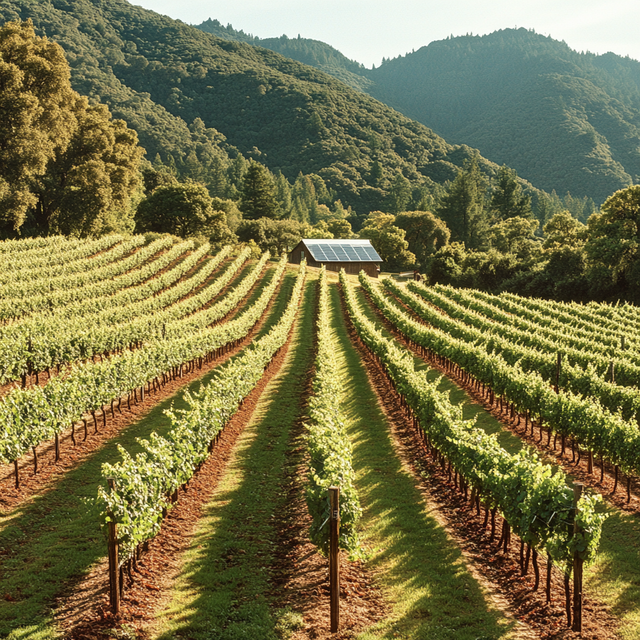


Domaine Rochette Gamay Reggie 2024
We have 0 in stock (Inventory is live and accurate)
The Land
This wine comes from organically farmed hillside vineyards in Régnié, located around 300 meters above the Ardière Valley. The vines are planted on slopes overlooking the valley where decomposed granite and sandy soils provide excellent drainage and naturally limit vigor. These conditions are ideal for Gamay, encouraging aromatic intensity while maintaining freshness and structure. The elevation and hillside exposure allow the fruit to ripen gradually while preserving acidity, producing the lifted, energetic style typical of the Régnié cru. Farming is carried out organically with careful vineyard work aimed at maintaining healthy soils and balanced vines.
The Wine
“Reggie” is a bright, approachable expression of Gamay made to emphasize purity and drinkability. The grapes are harvested by hand and fermented in stainless steel tanks where fermentation typically lasts six to twelve days with careful temperature control. After pressing, fermentation finishes in the liquid phase and the wine undergoes malolactic fermentation to round the texture. Aging takes place in neutral vessels to preserve the freshness of the fruit rather than adding oak influence. The resulting wine is light and energetic, showing vivid red berry fruit with notes of wild herbs and peppery spice. The palate is supple and fresh with balanced acidity, making it equally suited to drinking on its own or alongside a wide range of foods.
The People
Domaine Rochette was founded in 1981 by a family with several generations of winemaking history in Beaujolais. Today the estate farms roughly 15 hectares planted entirely to Gamay, producing a range of wines that includes several crus of the region. The property centers around a 19th-century stone house overlooking the vineyards, while the modern cellar—rebuilt in 1999—houses stainless steel fermentation tanks and traditional oak casks used for certain cuvées. Now led by Chantal and Matthew Rochette, the domaine focuses on organically farmed vineyards and traditional Beaujolais winemaking, producing wines that highlight balance, freshness, and the character of Gamay grown on the granite slopes of the region.
Food Pairing
Roasted beet and farro salad with orange, herbs, goat cheese, and pickled red onions.
The wine’s bright red fruit plays beautifully with the earthy sweetness of roasted beets, while its lively acidity matches the citrus, keeping the dish fresh and light. The tangy pickled onions add a sharp contrast that Gamay effortlessly matches, and the creamy goat cheese adds a subtle earthy flavor. Vibrant, crunchy, and full of contrast. Recipe on blog.
We ship wine to most states with a $100 minimum order for shipping. We don't ship spirits nor beer.
Weather shipping advisory: Orders placed during times of extreme heat or extreme cold will be held for no charge until more favorable weather returns.
Burgundy, in eastern France, encompasses several subregions, but it is the Côte d'Or that is home to many of the world's most expensive and revered wines. The region, primarily a single east-facing slope, has mixed limestone soils that vary dramatically from village to village and even vineyard to vineyard. White wines, crafted from Chardonnay, range from rich and opulent to lean and intensely mineral, while Pinot Noir produces silky, perfumed red wines of exceptional finesse and complexity. Centuries of winemaking tradition have resulted in every plot being meticulously recognized and scrutinized, making the Côte d'Or a true capital of terroir.
Burgundy - Cote d'Or

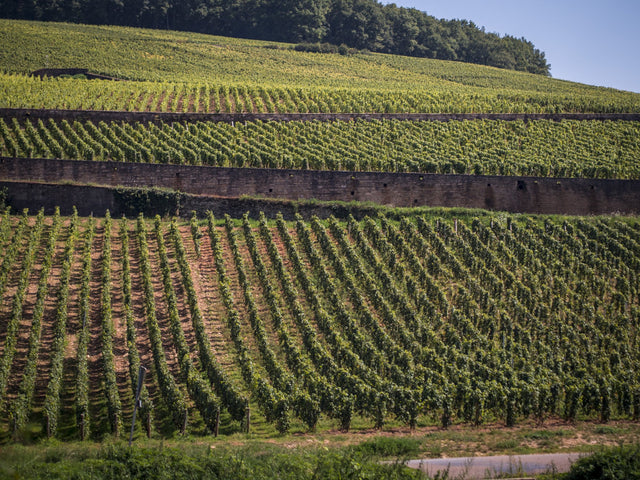
A red wine grape most associated with Beaujolais, Gamay makes fresh, fruity red wines with berry and violet aromas. It is grown around the world outside of France where it is often a darker and less tannic cousin to Pinot Noir in cool climate regions such as Oregon and Victoria.
Gamay
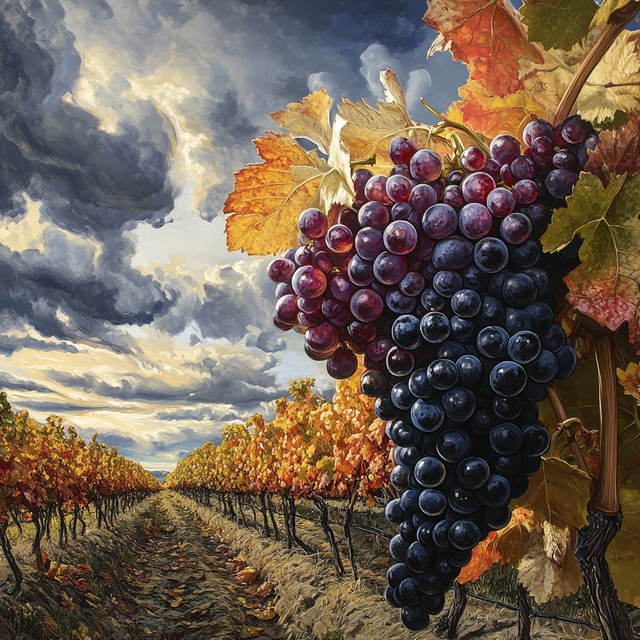
Sustainable vineyard farming is an environmentally conscious approach that prioritizes long-term ecological balance, economic viability, and social responsibility. Unlike organic farming, sustainable practices do not necessarily exclude synthetic chemicals, but rather focus on minimizing their usage, carefully managing resources like water and energy, protecting biodiversity, and reducing waste and carbon footprint. Wineries employing sustainable methods often integrate modern technology and traditional practices to improve efficiency and maintain healthy vineyards. Certifications like "SIP Certified" or "LIVE Certified" help validate sustainability efforts. However, sustainable farming differs distinctly from organic, as sustainable producers may use synthetic inputs in moderation if deemed necessary for the overall health and productivity of their vineyards.