

Elio Altare Barolo 2022
We have 4 in stock (Inventory is live and accurate)
The Land
Elio Altare's cellar sits in Annunziata, in La Morra, but his classic Barolo is not a single-village wine. The estate lists Nebbiolo from La Morra, Castiglione Falletto, Serralunga d'Alba, and Barolo itself in the blend, and that spread is the point. La Morra's sandier marls bring perfume and red fruit, Serralunga's compact limestone and sandstone add grip, and Castiglione Falletto, in the middle of the zone, lends depth and spice. The parcels face mostly south and southeast, which mattered in 2022, when the hottest, sandiest sites suffered most. Blending across the appellation spreads that risk and builds a Barolo red wine that reads as a portrait of the whole zone rather than one hillside.
The Wine
Elio Altare Barolo 2022 is 100% Nebbiolo, macerated on the skins for only four to five days in temperature-controlled rotary fermenters, then aged 24 months in used French barriques. That short maceration is the house signature: it pulls color and fruit without the hard tannin of long traditional soaks, and the seasoned wood rounds the wine without stamping it with vanilla. Fermentation relies on the estate's own indigenous yeasts, and the wine is bottled unfined and unfiltered. Expect ripe cherry, raspberry, and rose petal, then licorice, blood orange, leather, and a touch of nutmeg, with fine, soft tannin and a violet-scented finish. The 2022 season ran from a dry winter with little alpine snow into a progressively hotter, drought-stricken summer. Berries were small and thick-skinned, yields across Barolo fell 20 to 45 percent, and picking started early, in mid-September.
The People
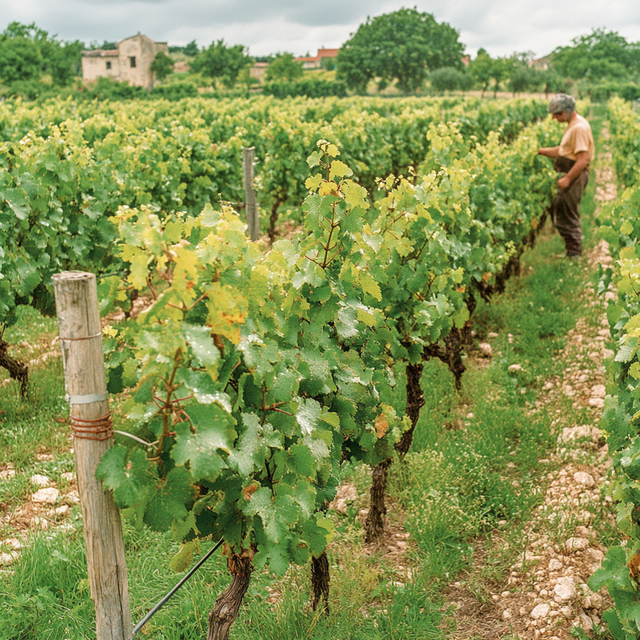
The Altare family came from Dogliani and bought this farm in 1948, when peach, hazelnut, and apple trees still grew among the vines. In January 1976 he traveled to Burgundy with other young growers and came home convinced Barolo needed lower yields, cleaner fruit, and a lighter hand. He cut down the orchard and took a chainsaw to the old botti, a break so sharp that his father disinherited him. In June 2016 ownership passed to his daughter Silvia, who had worked full-time in the business since the early 2000s. The farming has not changed: only copper sulfate and sulfur in the vineyard, and organic cow manure for fertilizer. Silvia called 2022 an annus horribilis; the classic Barolo came through it with the house lift intact.
Food Pairing
This Barolo has the tannin for a serious dinner but the soft edges to open young. Braise beef short ribs in red wine with carrots and rosemary and serve them over soft polenta; the fine grip and acidity cut straight through the richness. Tajarin with sage and brown butter picks up the rose and earth. Roast duck legs with a cherry and balsamic reduction meet the ripe red fruit head-on, and a wedge of Castelmagno or aged Toma brings out the licorice. Decant it an hour ahead. This is the Barolo for a Saturday when you want the real thing without waiting ten years.
We ship wine to most states with a $100 minimum order for shipping. We don't ship spirits nor beer.
Weather shipping advisory: Orders placed during times of extreme heat or extreme cold will be held for no charge until more favorable weather returns.
Piedmont, framed by the Alps in northwestern Italy, is a land of rolling hills and carefully cultivated vineyards. The continental climate, with its cold winters and warm summers, creates prime conditions for the Nebbiolo grape, which dominates much of the region's red wine production. The Langhe area is home to Barolo and Barbaresco, structured red wines known for their complex aromas, firm tannins, and aging potential. While Nebbiolo is the dominant grape of Piedmont, the region also makes interesting white wines like those from Arneis and Timorasso. Alto Piemonte is a separate region in the north with its own distinctive expressions of Nebbiolo, alongside other red grape varietals.
Italy - Piedmont

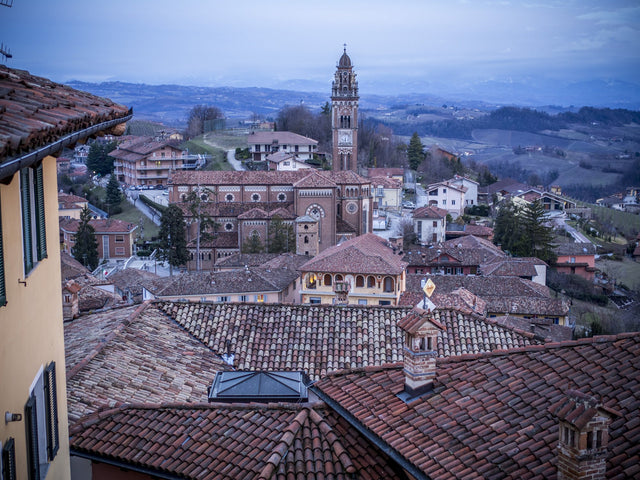
Nebbiolo, a prestigious grape from Italy's Piedmont region, is celebrated for its profound truffle and rose aromas, complex flavors, and ability to age gracefully thanks to strong acidity and tannins, producing the renowned Barolo and Barbaresco wines.
Nebbiolo
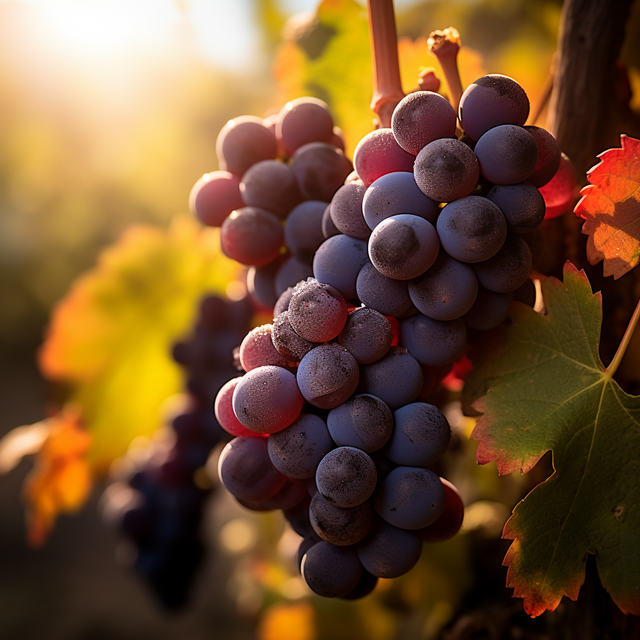
Practicing Organic vineyard farming involves growing grapes using organic methods—avoiding synthetic fertilizers, herbicides, pesticides, and fungicides—but without formal certification. Wineries adopting this approach prioritize environmental health, soil vitality, and biodiversity, using natural practices such as composting, cover cropping, and manual pest control. Many small wineries opt for practicing organic methods rather than pursuing official organic certification, primarily due to the significant cost, paperwork, and time commitment involved in certification processes. As a result, practicing organic is a popular choice among boutique and artisanal producers who remain committed to sustainable agriculture while managing budgetary constraints.