

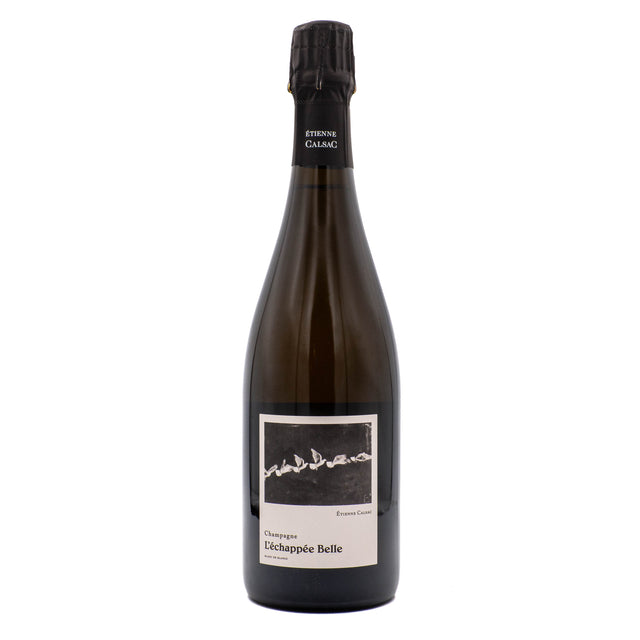
Etienne Calsac L'Echappee Belle Extra Brut Champagne
We have 11 in stock (Inventory is live and accurate)
Summer Shipping Advisory: Orders may be temporarily held during periods of extreme heat to ensure wine arrives in optimal condition.
View current shipping weather map →
The Land
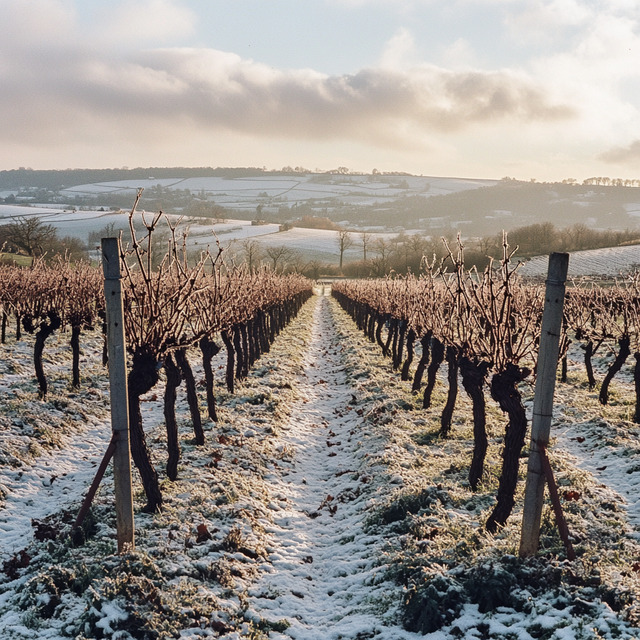
Etienne Calsac is based in Avize, one of the six grand crus of the Cote des Blancs, but the backbone of L'Echappee Belle comes from somewhere less glamorous. Grauves is a premier cru tucked into a side valley west of Avize, cooler and later-ripening because its slopes twist away from the eastern exposure the grand cru bank enjoys. That cold is the asset. Chardonnay from Grauves holds acidity and keeps its citrus edge in years when Avize goes rich. Calsac blends it with fruit from Bisseuil, a premier cru on the southern flank of the Montagne de Reims, and from his Avize holdings. The common thread is chalk close to the surface, which is where the salinity in this bottle comes from.
The Wine
L'Echappee Belle is a blanc de blancs, 100% Chardonnay, labeled premier cru, and finished as an extra-brut at 3 g/L, with the dosage made from concentrated grape must rather than cane sugar. Calsac vinifies every parcel separately in a mix of stainless steel and used barrels of 300 to 600 liters, then folds in wine from a perpetual reserve he started in 2011, which accounts for a fifth to roughly a third of the blend depending on the release. That reserve is the point of the cuvee: it holds the house style steady across wildly different Champagne vintages and gives a wine this dry its depth. Malolactic goes through, softening the acid line without dulling it. Lemon zest, green apple, white blossom, crushed oyster shell and a little brioche from extended lees aging, then a creamy middle and a taut, chalky, dry finish that runs long.
The People
Calsac took over his grandparents' three hectares in Avize in 2010, at 26. The vines had been leased to the big houses for years, so he was starting a domaine rather than inheriting one, and he did three things at once: rebuilt the estate, built his own winery from nothing, and converted the vineyards, planting grass between the rows and going back to plowing, in some parcels by horse, all the way through to organic certification. He has since planted his own vines in the Cote de Sezanne, including a parcel of Pinot Blanc, Arbane and Petit Meslier. For a grower who launched with no cellar and borrowed equipment, the consistency of this wine is the argument for him.
Food Pairing
Low dosage and high chalk mean this wants salt. Oysters are the obvious call and the right one, straight from the shell with lemon. Better still is fritto misto, calamari and small fish flash-fried and salted hard, the acidity resetting the palate between bites. A goat cheese from the Loire, something like a Crottin with some age, meets the citrus and the chalk head-on. Or roast a branzino whole with fennel and olive oil and let the saline finish do the seasoning. This is the bottle to keep cold in the back of the fridge for the nights you decide on Champagne after you have already started cooking.
We ship wine to most states with a $100 minimum order for shipping. We don't ship spirits nor beer.
Weather shipping advisory: Orders placed during times of extreme heat or extreme cold will be held for no charge until more favorable weather returns.
Champagne is the northernmost major wine region in France, defined by its cool climate, chalky soils, and centuries-old tradition of sparkling wine production. Centered around the towns of Reims and Épernay, the region is divided into key subzones like the Montagne de Reims, Vallée de la Marne, and Côte des Blancs, each favoring different grapes—Pinot Noir, Meunier, and Chardonnay respectively. The region’s signature chalk and limestone soils provide excellent drainage and impart a distinctive mineral character to the wines. While méthode champenoise was refined here in the 17th century, Champagne’s global prestige grew through the 19th and 20th centuries, cementing its role as the benchmark for sparkling wine worldwide.