

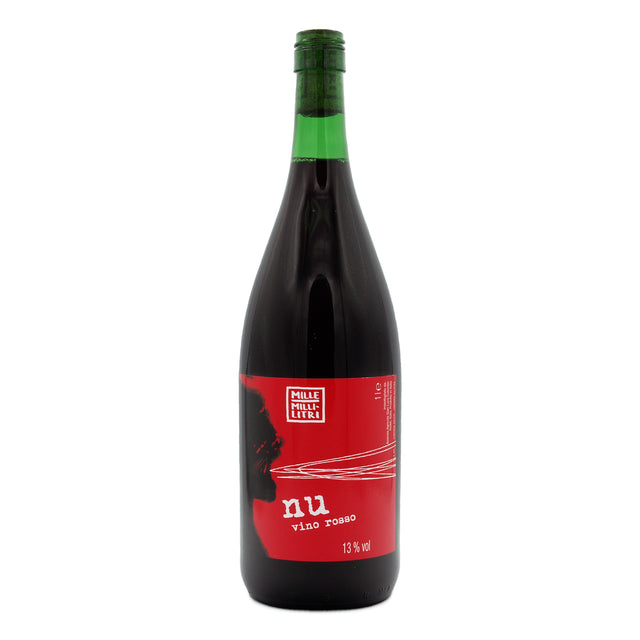
Gian Luca Colombo NU Vino Rosso 2025 1L
We have 12 in stock (Inventory is live and accurate)
The Land
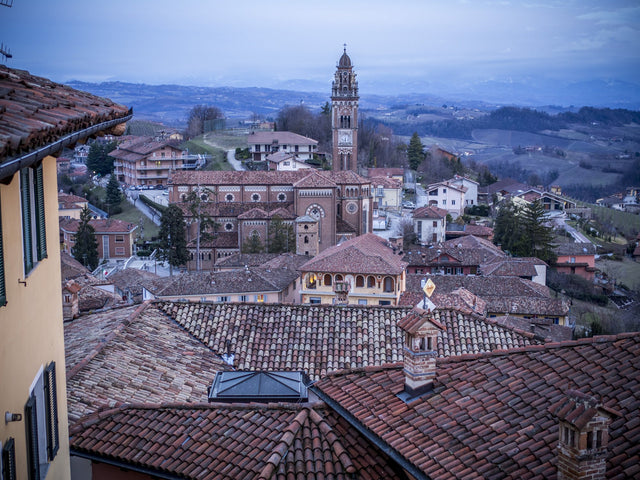
NU starts at a tasting bench, not a recipe. Gian Luca Colombo ferments every parcel he farms on its own, tastes every lot, pulls the best for his single-variety bottlings and blends the rest into this liter of red wine from the Langhe. Those parcels center on Roddi, at the northern edge of the Barolo zone, where the soils run rich in limestone and his Nebbiolo grows beside Verduno on Sant'Agata marls. Colombo grows Pelaverga on the Roddi and Verduno border and keeps Pinot Nero on cooler plots that see less sun. Leased parcels add range: La Morra, Novello, sandy Roero and Dogliani, the traditional home of Dolcetto. NU is a cross-section of a whole Langhe portfolio in one bottle.
The Wine
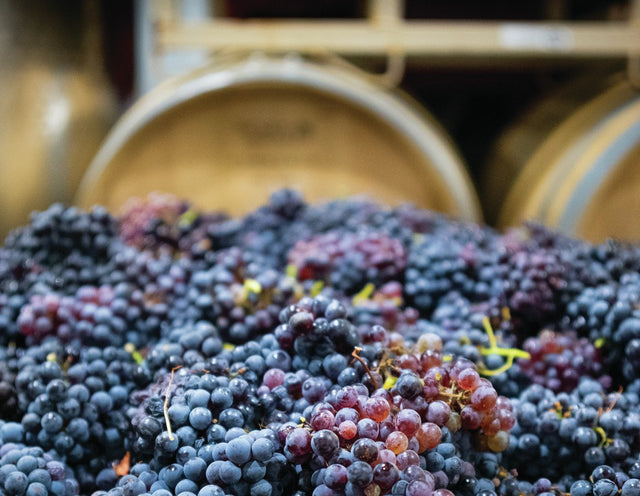
The blend changes with every vintage because it depends on what the tasting bench leaves. Dolcetto, Barbera and Nebbiolo form the core. The 2021 also carried Pinot Nero and a splash of Pelaverga, and the 2024 led with Nebbiolo. Grapes are picked by hand and each parcel ferments separately with native yeasts in stainless steel. After blending, the wine rests briefly in large Austrian oak casks and steel, then goes to bottle in spring, unfined, with fresh fruit intact. The large, neutral casks add texture without any oak flavor. The 2025 growing season brought a mild winter, a cool and rainy spring that refilled the soils, and only brief heat in June. Dolcetto and Barbera came in during early September at lower yields than expected, and Nebbiolo from the end of the month. Expect redcurrant, cranberry, raspberry leaf and white pepper, with a crunchy, light to medium body and a light, powdery grip on a dry finish.
The People
Colombo inherited no vineyards and no winery. His grandparents were farmers in Treiso who grew grain, kept animals and tended a few vines. He studied enology in Alba, joined consultant Giuseppe Caviola's lab in 2003 and later worked alongside consultant Gian Franco Cordero. He became one of the quieter forces in modern Barolo, consulting for houses including Reva, Diego Conterno and Castello di Perno, and he co-founded the Sette project in Nizza. In 2014 he received the first Gambelli Award for young Italian enologists. His own label, Segni di Langa, is small and carries his fingerprint on every bottle. He works with steel, concrete, amphora and large casks, and he avoids trends. In his words: "My greatest fear is stopping and never changing my mind."
Food Pairing
Pour NU lightly chilled with a pan of sausages roasted alongside red peppers and onions, where the acidity cuts the fat. A Margherita pizza with fresh basil suits the bright red fruit and keeps the tannin out of the way. Eggplant parmigiana baked with mozzarella and tomato sauce matches the wine's acidity to the sauce. A board of salame cotto and crusty bread works for drop-in guests. The liter format is the point: a third glass for everyone at a weeknight dinner without opening a second bottle.
We ship wine to most states with a $100 minimum order for shipping. We don't ship spirits nor beer.
Weather shipping advisory: Orders placed during times of extreme heat or extreme cold will be held for no charge until more favorable weather returns.
Piedmont, framed by the Alps in northwestern Italy, is a land of rolling hills and carefully cultivated vineyards. The continental climate, with its cold winters and warm summers, creates prime conditions for the Nebbiolo grape, which dominates much of the region's red wine production. The Langhe area is home to Barolo and Barbaresco, structured red wines known for their complex aromas, firm tannins, and aging potential. While Nebbiolo is the dominant grape of Piedmont, the region also makes interesting white wines like those from Arneis and Timorasso. Alto Piemonte is a separate region in the north with its own distinctive expressions of Nebbiolo, alongside other red grape varietals.
Italy - Piedmont

Red Blend is a catch-all for wines built from more than one red grape, a practice as old as winemaking itself and central to many of the world's most celebrated bottles. Blending lets a producer balance what a single variety cannot deliver alone: structure from one grape, perfume from another, flesh and color from a third. Bordeaux, Châteauneuf-du-Pape, Rioja, and the old field blends of Portugal's Douro all fall under this umbrella, as do countless wines from growers who care more about the finished wine than about varietal labeling. Expect enormous range in style, from light and herbal to dense and age-worthy, depending entirely on origin and intent.