

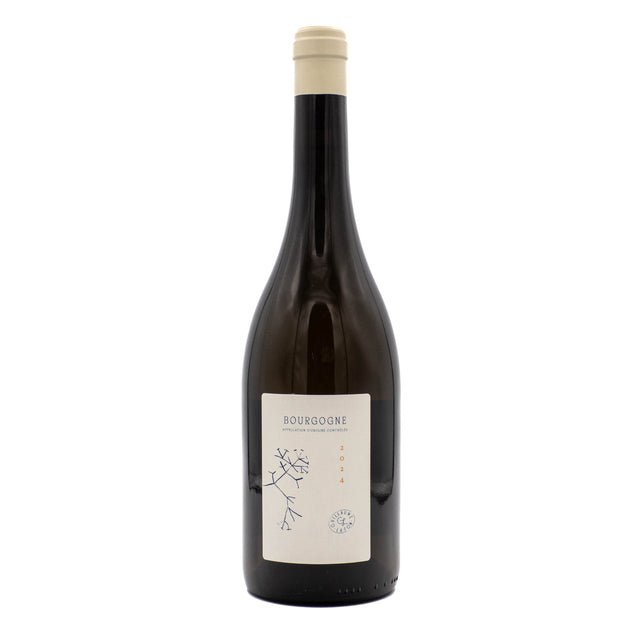
Guillaume Lafon Bourgogne Blanc 2024
We have 9 in stock (Inventory is live and accurate)
The Land
A Bourgogne Blanc label usually tells you almost nothing about where the grapes grew. This one is more specific than most: it blends two parcels inside the boundaries of the most famous white wine villages in Burgundy, Les Grandes Coutures in Meursault and Les Femelottes in Puligny-Montrachet. Land classified only as Bourgogne in these communes generally sits lower on the slope, on deeper soils with more clay, beneath the stony limestone ground that defines the village and premier cru vineyards. Meursault tends to bring breadth and a nutty richness; Puligny adds cut and a cooler line of acidity. Together they make a Bourgogne white wine that tastes like it came from the heart of the Côte de Beaune, because it did.
The Wine
Guillaume Lafon Bourgogne Blanc 2024 is Chardonnay, whole-cluster pressed, settled, and fermented with indigenous yeasts, then aged about 12 months in barrel with no new oak and given a short rest in tank before bottling. There is little to no bâtonnage, so the lees add texture without turning the wine creamy or heavy, and the absence of new wood keeps the fruit and stone in front. Expect lemon, green pear, and white flowers over a chalky, saline frame, with a bright, firm finish. In 2024, rain from April through June brought some of the heaviest mildew pressure in years, hardest on organic farms. Côte de Beaune Chardonnay fared better than Pinot Noir, with yields down roughly 10 to 20 percent, and a dry early August and mid-September harvest delivered whites that are taut, mineral, and pure.
The People
Guillaume Lafon took over his father Dominique's own-label project in 2023. Dominique, who ran Domaine des Comtes Lafon in Meursault from 1985 to 2021, launched this independent venture in 2008, and 2024 is the first vintage bottled under Guillaume's name. Guillaume farms around three priorities: sustainability, autonomy, and continuous improvement. In practice that means organic and biodynamic farming, horse plowing, higher trellising, electric crawler tractors, and drone-assisted treatments. The aim is precise, responsible farming, not novelty for its own sake. The Lafon family has made wine in Burgundy for more than a century, and this Bourgogne is the most direct way into the next generation's work.
Food Pairing
This is the white Burgundy to keep around for everyday cooking. Pan-fried trout with brown butter and toasted almonds matches the wine's nutty depth, while the acidity cuts the butter. A leek and Gruyère quiche plays the wine's texture against the custard and the cheese's salt. Chicken paillard with lemon, capers, and a pile of arugula leans on the wine's citrus and freshness. Seared scallops over a sweet corn purée work too, the saline finish framing the sweetness of the shellfish. It is the bottle to open on a Wednesday when you want a real taste of Meursault and Puligny without waiting for an occasion.
We ship wine to most states with a $100 minimum order for shipping. We don't ship spirits nor beer.
Weather shipping advisory: Orders placed during times of extreme heat or extreme cold will be held for no charge until more favorable weather returns.
Burgundy, in eastern France, encompasses several subregions, but it is the Côte d'Or that is home to many of the world's most expensive and revered wines. The region, primarily a single east-facing slope, has mixed limestone soils that vary dramatically from village to village and even vineyard to vineyard. White wines, crafted from Chardonnay, range from rich and opulent to lean and intensely mineral, while Pinot Noir produces silky, perfumed red wines of exceptional finesse and complexity. Centuries of winemaking tradition have resulted in every plot being meticulously recognized and scrutinized, making the Côte d'Or a true capital of terroir.
Burgundy - Cote d'Or

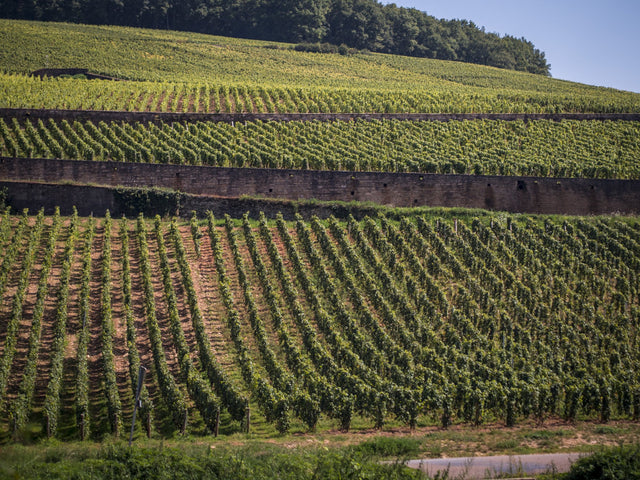
Chardonnay, one of the world's most versatile and beloved white grape varieties, showcases a remarkable spectrum of styles, from the lean, mineral-driven expressions of Chablis in France to the rich, buttery, and oak-aged versions from California's Napa Valley. Its adaptability extends to cooler climates such as Burgundy, where it achieves elegance and complexity, and to regions like Australia's Yarra Valley, known for producing vibrant and fruit-forward renditions. This grape's ability to reflect its terroir, coupled with winemaking techniques, results in a wide array of profiles, including unoaked, crisp varieties with apple and citrus notes, to full-bodied wines with tropical fruit flavors and creamy textures.
Chardonnay
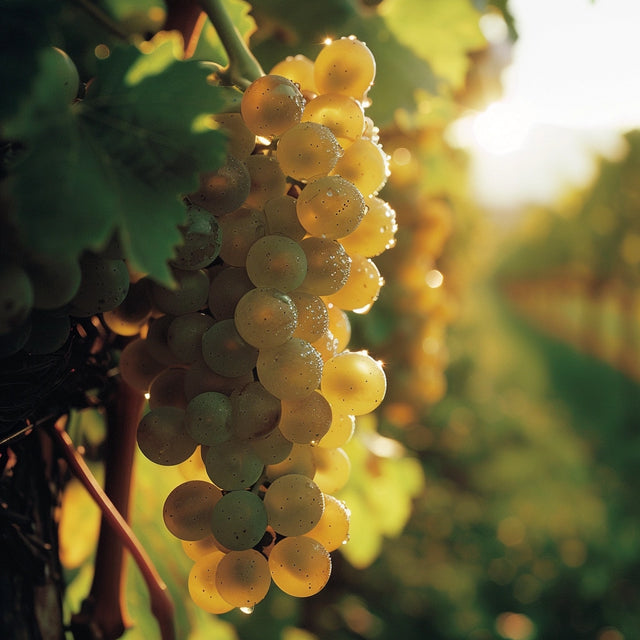
Practicing Biodynamic vineyard farming follows the core principles of biodynamics—treating the vineyard as a self-sustaining, living organism and aligning farming activities with lunar and cosmic rhythms—but without formal certification. These vineyards often use compost preparations, herbal sprays, and homeopathic remedies to nourish the soil and promote vine health, while fostering biodiversity and natural balance. Many small or artisan producers embrace biodynamics philosophically and practically but choose not to pursue certification due to its cost, administrative demands, or philosophical preference for independence. As a result, practicing biodynamic farms often reflect a deep, holistic commitment to the land, even without the official label.