

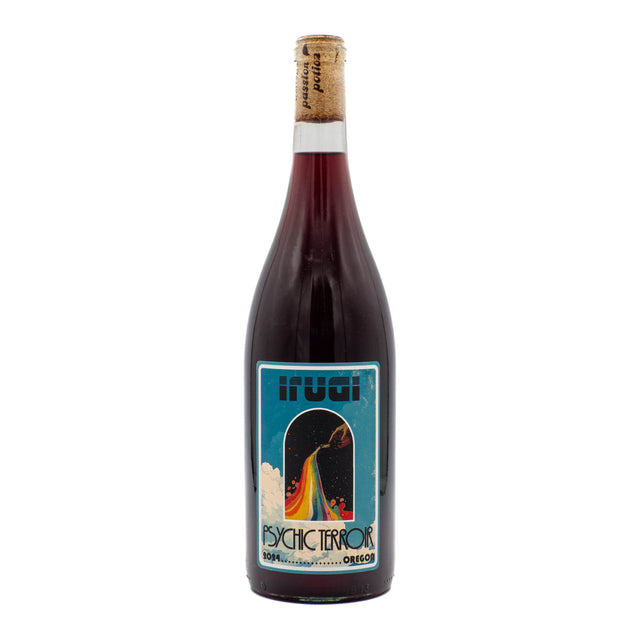
Iruai Psychic Terroir Red 2024
We have 6 in stock (Inventory is live and accurate)
Summer Shipping Advisory: Orders may be temporarily held during periods of extreme heat to ensure wine arrives in optimal condition.
View current shipping weather map →
The Land
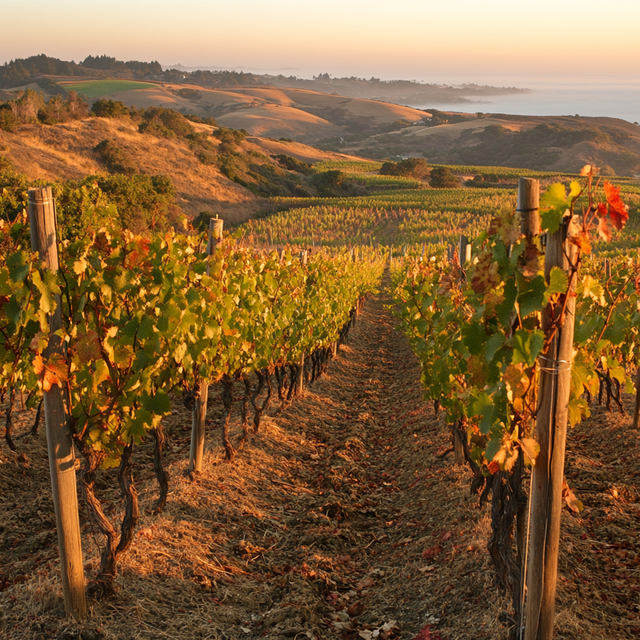
The Applegate Valley sits in southern Oregon, tucked between the Siskiyou Mountains and the Rogue Valley, and it has almost nothing in common with the Willamette Valley three hours north. This is high, dry, continental country in the rain shadow of the Siskiyous, with hot days, cold nights, and a diurnal swing wide enough that grapes ripen fully while acidity stays intact. Elevation and granitic, decomposed soils do the rest. It is the kind of place where Grenache, Syrah, Gamay, and Gewurztraminer can all be grown well within a short drive of each other, which is exactly what makes a blend like this possible. Iruai calls the broader area the California Alps and treats it as alpine growing territory rather than as a warm-climate outpost.
The Wine
A genuinely unusual field blend: 35% Grenache, 20% Muscat, 15% Cabernet Franc, 10% Syrah, 10% Gamay, and 10% Gewurztraminer, all from the Applegate Valley. Fermented whole cluster with native yeast and made with no additions. The Muscat and Gewurztraminer are the reason this smells the way it does, throwing rose petal, lychee, and orange blossom over a red-fruited base that the Grenache and Gamay provide, while the Cabernet Franc and Syrah supply the peppery, herbal spine that keeps it from turning perfumed and soft. Raspberry, pomegranate, rose, white pepper, bergamot, and a stony finish. Light in body, high in acid, low in tannin. Field blends like this were once normal and are now nearly extinct; this one argues for bringing them back.
The People
Chad and Michelle Westbrook Hinds started the project in Berkeley in 2013 under the name Methode Sauvage, working as an urban winery without vineyards of their own. In 2019 they relocated to Michelle's hometown of Etna, in Scott Valley, deep in Siskiyou County, and renamed the label Iruai. Their focus since has been alpine varieties, the grapes that thrive in the Jura, Savoie, and the Alto Adige, planted in a corner of the West that they argue is climatically closer to Switzerland than to Napa. They use permaculture methods drawn from Masanobu Fukuoka, add nothing in the cellar, and direct 1% of sales to the Shasta Indian Nation.
Food Pairing
The aromatic top end and low tannin make this a strong match for food that usually defeats red wine. Try it with Sichuan dry-fried green beans and mapo tofu, a Thai basil chicken stir fry, duck banh mi, or grilled shrimp with chile and lime. The Muscat and Gewurztraminer aromatics meet ginger, chile, and lemongrass instead of fighting them, and the acidity handles heat and vinegar. Serve it chilled, around 55 degrees.
We ship wine to most states with a $100 minimum order for shipping. We don't ship spirits nor beer.
Weather shipping advisory: Orders placed during times of extreme heat or extreme cold will be held for no charge until more favorable weather returns.
This region includes wines labeled "North Coast", which are often blends including Sonoma and Napa counties. This expansive area encompasses established regions like Mendocino and Lake Counties, as well as newer vineyard sites pushing towards the Oregon border. Mendocino County is known for its varied climates, from the Anderson Valley's cool, fog-influenced areas ideal for Pinot Noir and sparkling wine, to warmer inland spots. Lake County, further inland, offers volcanic soils and a warmer climate suitable for Cabernet Sauvignon and other varieties. Beyond these, even more northerly locations are being explored for their unique terroir, contributing to the evolving identity of California's northern wine production.
California - North Coast & Far North

Red Blend is a catch-all for wines built from more than one red grape, a practice as old as winemaking itself and central to many of the world's most celebrated bottles. Blending lets a producer balance what a single variety cannot deliver alone: structure from one grape, perfume from another, flesh and color from a third. Bordeaux, Châteauneuf-du-Pape, Rioja, and the old field blends of Portugal's Douro all fall under this umbrella, as do countless wines from growers who care more about the finished wine than about varietal labeling. Expect enormous range in style, from light and herbal to dense and age-worthy, depending entirely on origin and intent.