

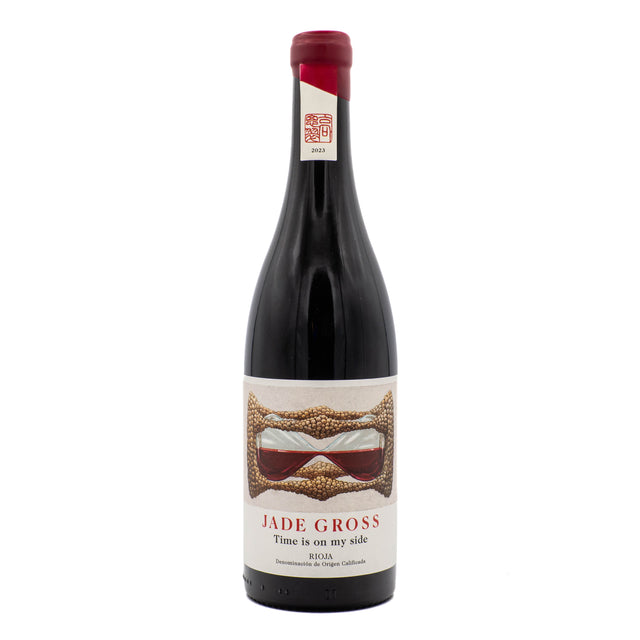
Jade Gross Time is on my Side 2023
We have 5 in stock (Inventory is live and accurate)
Summer Shipping Advisory: Orders may be temporarily held during periods of extreme heat to ensure wine arrives in optimal condition.
View current shipping weather map →
The Land
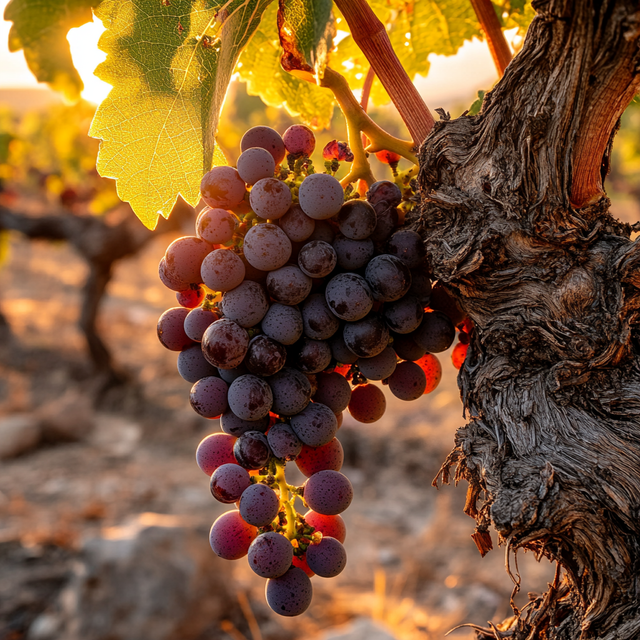
Rioja's classification system measures barrel time, not place, which is exactly what a generation of younger growers has started ignoring. Time is on my Side comes from La Cantera, called Harrobia in Basque, a parcel in Labastida below the Sierra de Toloño in Rioja Alavesa. The vines are 39 years old, bush-trained, planted on clay-limestone and sandstone at 650 meters. The Graciano comes from Laguardia, a few kilometers east, also on clay-limestone. Both sites sit high enough on the Alavesa shelf that the growing season stretches long and the nights stay cold, which is why this wine carries 13.5 percent alcohol and a spine of acid rather than the plush weight most people expect from Rioja Tempranillo.
The Wine
Eighty-eight percent Tempranillo with 12 percent Graciano, the first time Gross has used the variety. The Graciano was fully destemmed; 30 percent of the Tempranillo went in as whole clusters, fermented in open vats. The wine then spent 17 months in a single new 1,000-liter French oak cask, followed by 15 months in bottle before release, far longer than anything else in her range and the reason for the name. The large format keeps the oak in the background. Black cherry and dried plum, iron and dried herbs, violets from the Graciano, and a long tannic finish that is firm without being drying. Structured enough to reward another five years in a cool closet. 1,380 bottles.
The People
Jade Gross came to wine sideways. Born in Hong Kong to an American father and a Chinese mother, she studied political science in New York and took a master's in human rights in London, expecting to become a human rights lawyer. A James Beard Foundation scholarship sent her to cooking school in Paris instead. She worked at Alain Ducasse au Plaza Athénée, El Celler de Can Roca and D.O.M. in São Paulo, then spent seven years at Mugaritz, rising from chef de partie to head chef and into Andoni Luis Aduriz's research kitchen. She left in 2019 for San Vicente de la Sonsierra, where her friends Abel Mendoza and Maite Fernández helped her find grapes and a cellar to borrow. She calls this her most serious wine to date. The long élevage is deliberate, and she intends to push the rest of the range the same way, convinced the wines gain complexity with time. Pairing Graciano with Tempranillo is a nod to Rioja's old field-blend vineyards, where the two grew in the same rows.
Food Pairing
This wants a real meal. Lamb shoulder slow-roasted with garlic and thyme until it falls apart, where the tannin and the fat cancel each other out. Duck breast with a cherry and sherry vinegar pan sauce, echoing the wine's own dark fruit and acidity. Arroz con setas, a soupy rice with wild mushrooms, for the iron and dried-herb side. Or a plate of aged Manchego and Marcona almonds and nothing else. Open it for the dinner you actually planned.
We ship wine to most states with a $100 minimum order for shipping. We don't ship spirits nor beer.
Weather shipping advisory: Orders placed during times of extreme heat or extreme cold will be held for no charge until more favorable weather returns.
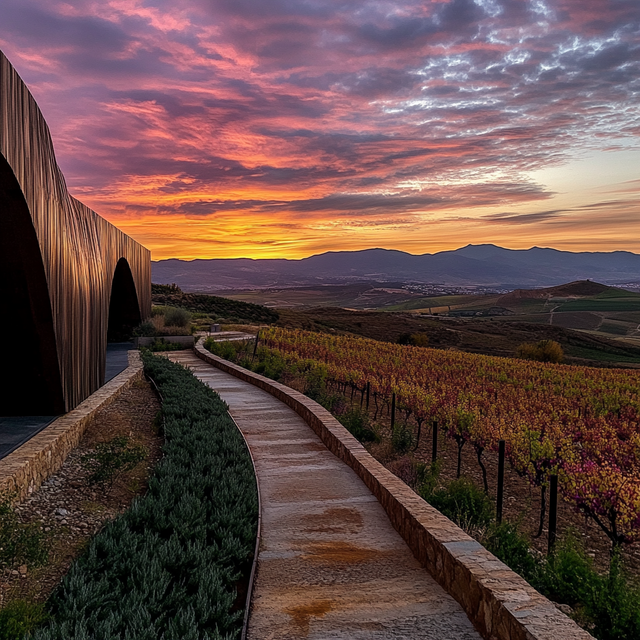
Rioja, Spain's iconic wine region nestled in the north-central part of the country, is defined by its diverse landscape and Tempranillo-based wines. The region is divided into three distinct subregions: Rioja Alta, Rioja Alavesa, and Rioja Oriental (formerly Rioja Baja), each contributing unique characteristics based on altitude, soil composition, and climate. While Tempranillo dominates, other important grapes include Garnacha, Graciano, and Mazuelo for reds, and Viura (Macabeo) for whites. Rioja's modern winemaking style was significantly shaped by the phylloxera epidemic of the late 19th century, which devastated vineyards across Europe. As French winemakers sought refuge and new sources of wine, they brought their techniques to Rioja, introducing oak aging and influencing the development of the region's distinctive, internationally recognized style.
Spain - Rioja

Tempranillo, Spain's most celebrated red grape, takes its name from the Spanish word "temprano," meaning "early," a reference to the variety's tendency to ripen earlier than other Spanish grapes. This versatility allows it to thrive across a range of climates and soil types. Though primarily associated with Spain, where it forms the backbone of Rioja, Ribera del Duero, and other prominent regions, Tempranillo also has a significant presence in Portugal. Here, it's known under various synonyms, including Tinta Roriz, Aragonez, and Tinto Fino, playing a crucial role in the production of both red and rosé wines. Its ability to produce wines with moderate acidity, balanced tannins, and complex flavors of red fruit, leather, and tobacco make it a favorite among winemakers and wine drinkers alike.