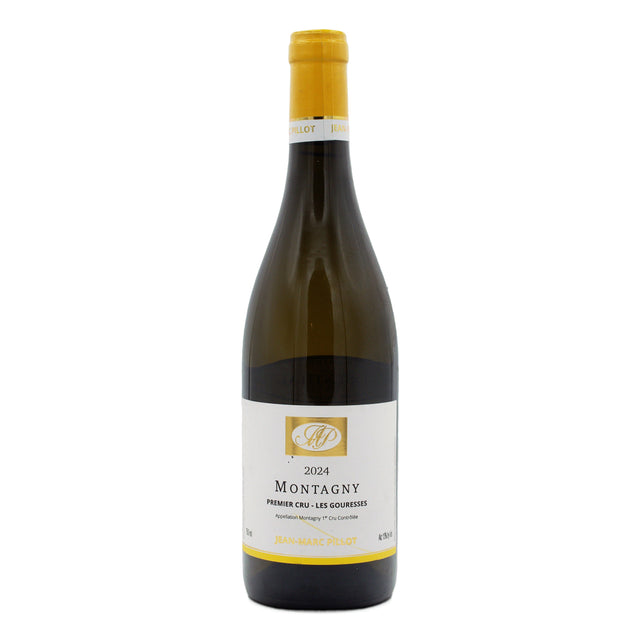
Jean-Marc Pillot Montagny 1er Cru Les Gouresses 2024
We have 5 in stock (Inventory is live and accurate)
The Land
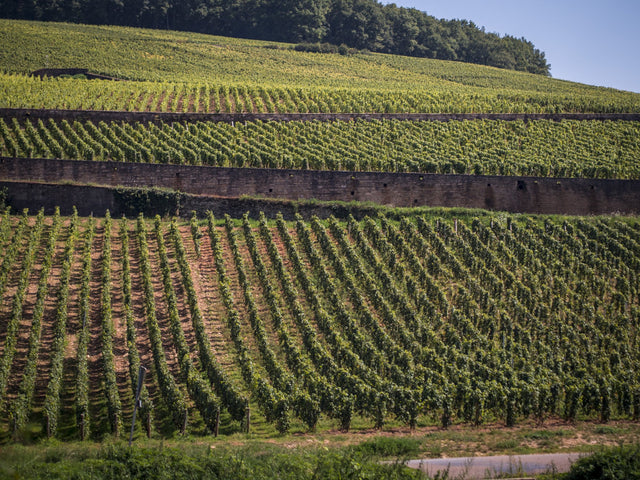
Montagny turns the usual Burgundy hierarchy on its head: about two-thirds of the appellation, 199 of its 301 hectares, is classified premier cru, spread across 51 climats in Buxy, Montagny-lès-Buxy, Jully-lès-Buxy, and Saint-Vallerin. Created in 1936, the appellation is white only, all Chardonnay, in the southern Côte Chalonnaise. Most of its slopes face east to southeast. Les Gouresses is one of five east-facing climats just north of Montorge, on a gentler slope than the amphitheater sites, with deep soil rich in clay. The eastern exposure catches morning sun and spares the grapes the hottest afternoon light, while the deep clay gives the wine more body than the stonier sites near Buxy. This is Montagny premier cru white wine with real weight behind its stony edge.
The Wine
Jean-Marc Pillot Montagny 1er Cru Les Gouresses 2024 is 100% Chardonnay, raised entirely in used barrels with no new oak, which gives texture without the vanilla and toast of new wood. Where many Montagny producers would keep the wine in tank, Pillot gives it a long barrel élevage that builds a creamy middle around the appellation's stony cut. The 2024 vintage was a punishing one. Rain fell almost without pause from April through June, mildew forced growers to spray two to three times as often as usual, and irregular flowering brought coulure and millerandage; yields in large parts of the Côte d'Or fell 50 to 80 percent. Picking ran from mid-September in dry, cool conditions, and the whites that came through are taut, mineral, and saline, with pH around 3.2 to 3.35. Expect lemon, white peach, crushed stone, and a firm, salty finish.
The People
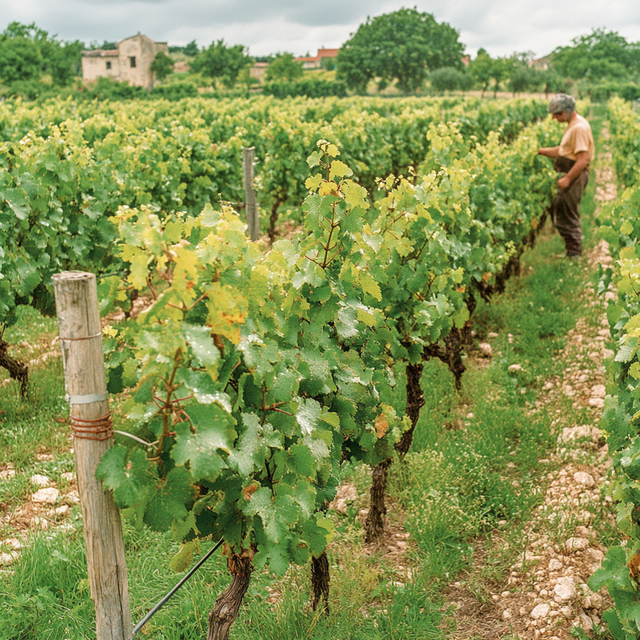
Jean-Marc Pillot built his name on Chassagne-Montrachet, where he runs the family domaine, but his range now stretches from Chevalier-Montrachet and Puligny down to Santenay, Saint-Romain, and this Montagny in the Côte Chalonnaise. The approach is hands-on: "we do everything, by hand," he says of the vineyard work, and his team thins leaves so the clusters catch early morning sun. Two presses let him pick whites in the morning and reds in the afternoon without either waiting. New oak never exceeds 30 percent at the domaine, and the Montagny gets none. Les Gouresses gives his precise, mineral style of white Burgundy a home well south of Chassagne, at a price far below his premier crus there.
Food Pairing
That salty finish and firm acidity make this a seafood wine first. Steamed mussels with shallots, white wine, and a splash of cream let the acidity cut the broth. Trout amandine, pan-fried in butter with toasted almonds and lemon, meets the wine's creamy texture with nutty butter. A goat cheese and chive omelet with a green salad works for a long weekend brunch. And a plate of warm gougères is the Burgundian aperitif classic for good reason: the cheese pastry softens the wine's edge. Keep a bottle on hand for the nights you want Burgundy without the Côte d'Or price.
We ship wine to most states with a $100 minimum order for shipping. We don't ship spirits nor beer.
Weather shipping advisory: Orders placed during times of extreme heat or extreme cold will be held for no charge until more favorable weather returns.
Burgundy, in eastern France, encompasses several subregions, but it is the Côte d'Or that is home to many of the world's most expensive and revered wines. The region, primarily a single east-facing slope, has mixed limestone soils that vary dramatically from village to village and even vineyard to vineyard. White wines, crafted from Chardonnay, range from rich and opulent to lean and intensely mineral, while Pinot Noir produces silky, perfumed red wines of exceptional finesse and complexity. Centuries of winemaking tradition have resulted in every plot being meticulously recognized and scrutinized, making the Côte d'Or a true capital of terroir.
Burgundy - Cote d'Or

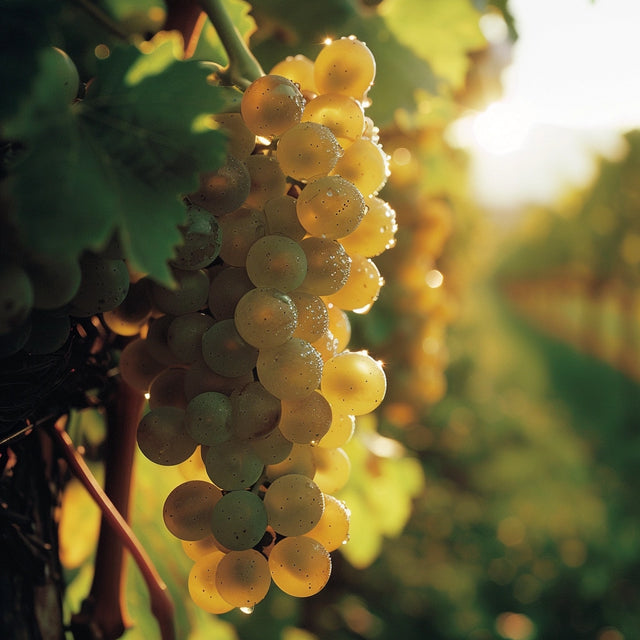
Chardonnay, one of the world's most versatile and beloved white grape varieties, showcases a remarkable spectrum of styles, from the lean, mineral-driven expressions of Chablis in France to the rich, buttery, and oak-aged versions from California's Napa Valley. Its adaptability extends to cooler climates such as Burgundy, where it achieves elegance and complexity, and to regions like Australia's Yarra Valley, known for producing vibrant and fruit-forward renditions. This grape's ability to reflect its terroir, coupled with winemaking techniques, results in a wide array of profiles, including unoaked, crisp varieties with apple and citrus notes, to full-bodied wines with tropical fruit flavors and creamy textures.
Chardonnay
Practicing Organic vineyard farming involves growing grapes using organic methods—avoiding synthetic fertilizers, herbicides, pesticides, and fungicides—but without formal certification. Wineries adopting this approach prioritize environmental health, soil vitality, and biodiversity, using natural practices such as composting, cover cropping, and manual pest control. Many small wineries opt for practicing organic methods rather than pursuing official organic certification, primarily due to the significant cost, paperwork, and time commitment involved in certification processes. As a result, practicing organic is a popular choice among boutique and artisanal producers who remain committed to sustainable agriculture while managing budgetary constraints.