Klein Constantia Sauvignon Blanc 2023
We have 3 in stock (Inventory is live and accurate)
The Land
Constantia made its name on sweet wine, yet today more than half of the ward's vineyards are planted to Sauvignon Blanc. Klein Constantia sits on the upper foothills of the Constantiaberg in Cape Town's Constantia Valley, looking out over False Bay. Its Sauvignon Blanc vineyards climb from 70 to 340 meters on east- to south-facing slopes, turned away from the hottest afternoon sun. Soils are Table Mountain sandstone and decomposed granite, the granite roughly 600 million years old, and the estate takes about 1,000 millimeters of rain a year. Ocean breezes keep ripening slow. That mix of altitude, cool aspect, and sea air is why Sauvignon Blanc from Constantia carries a tension and salinity that the warmer inland Cape rarely matches.
The Wine
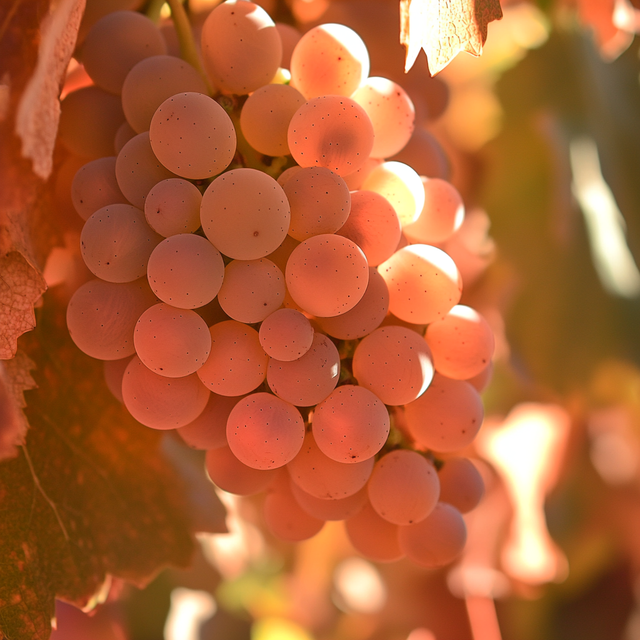
Klein Constantia Sauvignon Blanc 2023 is 100% Sauvignon Blanc, picked at 4 a.m. to keep the fruit cool and fresh. Each block ferments separately: 80% with wild yeast, 20% inoculated with a non-Saccharomyces strain. About 10% then aged in neutral 500-liter barrels, and the whole wine spent six months on its gross lees before blending, giving this Constantia white wine texture without oak flavor. The estate describes grapefruit, lime, and kiwi on the nose, then quince, citrus blossom, umami, and a bittersweet edge, with salinity, bright acidity, and a long, crisp finish. It is bone dry at 1.6 g/L residual sugar and 13.7% alcohol. In 2023 a cool, wet summer slowed ripening, and Constantia's Sauvignon Blanc was picked before the March rains at low pH and high acidity.
The People
Simon van der Stel, the Dutch East India Company's commander at the Cape, surveyed the peninsula's soils and founded Constantia in 1685. After his death the estate was divided, and one parcel became Klein Constantia. Constantia's sweet wine went on to be poured for Napoleon, Frederick the Great, and George IV, and Jane Austen wrote of "the finest old Constantia wine" in 1811. Oidium and phylloxera later ended production. In 1980 Duggie Jooste bought the derelict farm, and the first modern Vin de Constance followed in 1986, made with Ross Gower. Zdeněk Bakala and Charles Harman bought the estate in 2011, and a 2012 merger with Anwilka brought in Bruno Prats, formerly of Château Cos d'Estournel, and Hubert de Boüard of Château Angélus. Matthew Day is only the third winemaker since the revival.
Food Pairing
This is a Sauvignon Blanc with enough texture for dinner, not just the patio. Pan-seared hake with lemon-caper brown butter matches the citrus and saline edge, the acidity slicing through the butter. Cape Malay pickled fish, with turmeric, curry spice, and sweet-sour onions, is a local classic that loves the wine's crisp bite. Grilled calamari with chili, garlic, and parsley plays against the umami thread. For a vegetarian plate, try roasted asparagus with feta, lemon zest, and toasted almonds; the quince-like fruit and salinity meet the salty cheese head on. This is the white to pour on fish night when a friend insists every Sauvignon Blanc tastes the same.
We ship wine to most states with a $100 minimum order for shipping. We don't ship spirits nor beer.
Weather shipping advisory: Orders placed during times of extreme heat or extreme cold will be held for no charge until more favorable weather returns.
The Coastal Region of South Africa encompasses the majority of the country's renowned wine districts, presenting a diverse array of soils and climates shaped by both the Atlantic and Indian Oceans. This region is home to several distinct areas each with its own unique identity. Stellenbosch, steeped in winemaking history and research, is known for its blends and is a key educational center for viticulture. Paarl, north of Stellenbosch, benefits from the Berg River and produces a wide variety of grapes. The Cape Town district, recently designated, includes wards like Constantia with its cool climate and historic Constantia valley, and the coastal wards of Durbanville and Philadelphia, and the more distant darling, all of which contribute to the region's diverse offerings. Finally, Swartland, traditionally a grain-producing area, has seen a rise in quality wines with its terroir-driven focus, particularly with producers in the Swartland Independent Producers group.
South Africa - Coastal Region


Sauvignon Blanc, a white grape of significant character, is believed to have originated in the Loire Valley of France, where it continues to produce some of the world’s most iconic and expressive examples. This variety has also found success in Bordeaux, where it is often blended with Sémillon, as well as in New Zealand, where it has become a signature grape, and many other regions across the globe. Known for its vibrant acidity and distinctive aromatic profile, Sauvignon Blanc often displays a pronounced greenness, with notes of fresh-cut grass, herbaceousness, and sometimes even a touch of jalapeño, depending on ripeness and region. These traits are often supported by citrus fruits like grapefruit and lime, leading to wines that are both refreshing and complex, ranging from steely and mineral-driven to more tropical and fruit-forward styles.