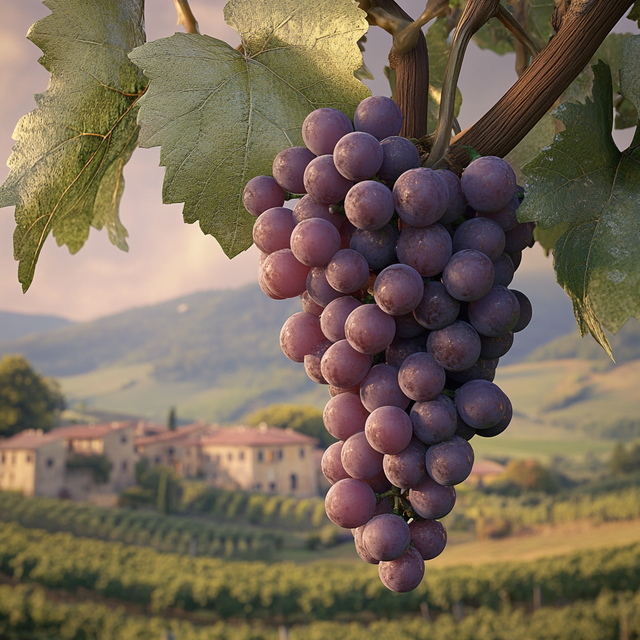
La Gerla Rosso di Montalcino 2023
We have 9 in stock (Inventory is live and accurate)
The Land
Rosso di Montalcino is often made from younger vines or lesser parcels. La Gerla's comes from the same vineyards as its Brunello, cropped at Brunello yields, and starts life classified as Brunello. In 2023, 70 percent of the blend came from the estate's 5 hectares near Castelnuovo dell'Abate in the south of the appellation, where warmer, drier conditions and free-draining sand and galestro build ripeness and body. The other 30 percent came from Canalicchio, northeast of town, where north-facing vines on clay-rich topsoil add perfume and acidity. That southern weighting mattered in 2023: the south of Montalcino came through the year in better shape than the cooler, higher north.
The Wine
La Gerla Rosso di Montalcino 2023 is 100% Sangiovese Grosso, harvested on September 20. The grapes sat on their skins for ten days of cold soak before fermentation, then aged ten months in large Slavonian oak casks of 5,000 and 10,000 liters and six more months in bottle. The big, neutral wood rounds the tannin while keeping the fruit front and center. Expect ripe strawberry, red plum, and red berries, dried herbs, orange peel, and a dusty floral, peppery lift, with a juicy, medium-bodied middle, gentle grip, and a saline finish. The 2023 vintage was hard work: an April frost, heavy rain through June, and widespread downy mildew across Tuscany, then July and August heatwaves that shut the mildew down. Careful sorting was the price of a clean crop.
The People
Sergio Rossi founded La Gerla in 1976, but the estate's shape owes a great deal to two men who are still there. Winemaker Vittorio Fiore was Rossi's friend as well as his enologist; when the early wines from Canalicchio showed all perfume and silk, Fiore advised buying land near Castelnuovo dell'Abate for more structure, and that southern fruit now anchors this Rosso. Alberto Passeri has managed the vineyards for nearly thirty years. The estate plants only Sangiovese Grosso, propagated by massal selection, and farms organically without certification. La Gerla has also taken part in a joint study on esca, the trunk disease that kills old vines across Tuscany, with encouraging results.
Food Pairing
This is the Sangiovese from Tuscany to open without an occasion. Roast a chicken with sage, garlic, and lemon tucked under the skin; the acidity lifts the crisp skin and the herbal side of the wine finds the sage. Pappardelle with crumbled fennel sausage and tomato plays the peppery edge against the spice. A grilled pork chop brushed with balsamic and served with white beans and rosemary suits the medium body and soft grip, and a wood-fired mushroom pizza with fontina is the easy Friday answer. Pour it with a slight chill on any night the cooking is simple and the company is good.
We ship wine to most states with a $100 minimum order for shipping. We don't ship spirits nor beer.
Weather shipping advisory: Orders placed during times of extreme heat or extreme cold will be held for no charge until more favorable weather returns.
Tuscany is one of Italy’s most iconic wine regions, anchored by historic regions like Chianti and Montalcino, where Sangiovese thrives in clay-limestone soils and varying elevations. Chianti Classico produces medium-bodied, savory reds, while Montalcino’s warmer, drier conditions give rise to the powerful and long-lived Brunello. Along the Tuscan coast, regions like Bolgheri emerged in the late 20th century with the rise of Super Tuscans—often blends of international varieties like Cabernet Sauvignon and Merlot grown in marine-influenced soils. While overwhelmingly known for red wines, Tuscany is also home to great classic whites grown in San Gimignano and modern whites often made with French grape varieties.
Italy - Tuscany

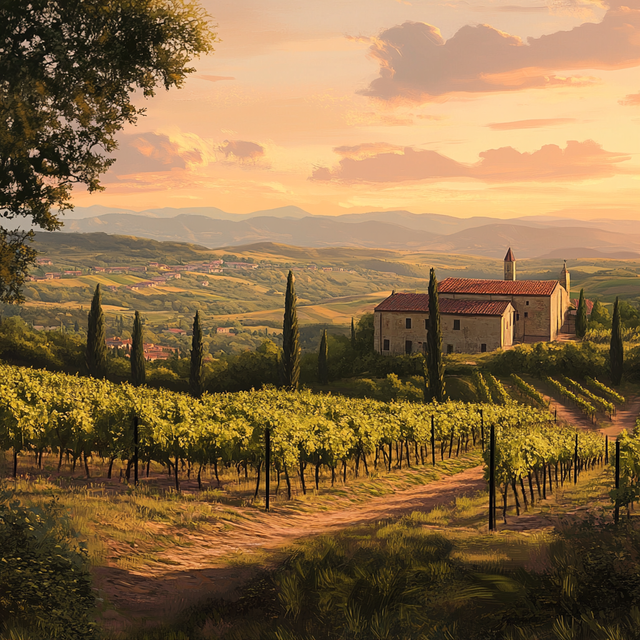
Sangiovese is Italy’s most widely planted red grape and the backbone of many of the country’s most renowned wines, including Chianti Classico, Brunello di Montalcino, and Vino Nobile di Montepulciano. Its name likely derives from the Latin “sanguis Jovis,” or “blood of Jupiter,” hinting at its ancient Roman roots. While native to central Italy, particularly Tuscany, it is also grown in regions like Umbria, Emilia-Romagna, and even scattered sites abroad. Sangiovese is known for its high acidity, firm tannins, and bright red fruit character, often showing notes of sour cherry, dried herbs, and earthy spice. Its structure and versatility make it a natural match for food and a compelling lens through which to explore regional terroirs.