

Mandirola 1913 Derthona Timorasso 2024
We have 11 in stock (Inventory is live and accurate)
The Land
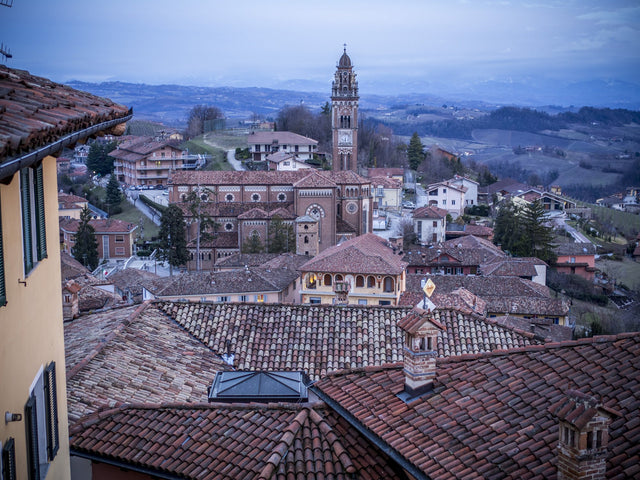
In 1987, only half a hectare of Timorasso was left in the world. Today the grape covers more than 440 hectares, almost all of it in the Colli Tortonesi, the hills behind Tortona in Piedmont's far southeast corner, where the region nearly touches Lombardy, Emilia and Liguria. Mandirola farms around Casasco, in the upper hills, with 11 hectares of vines on southwest-facing slopes at 300 to 350 meters. The soil is clay over gray limestone, part of the compact, calcareous marls that define the zone. That limestone is the reason Timorasso from the Colli Tortonesi carries a mineral, almost smoky grip under its weight: the more calcareous the site, the firmer and more austere the wine.
The Wine
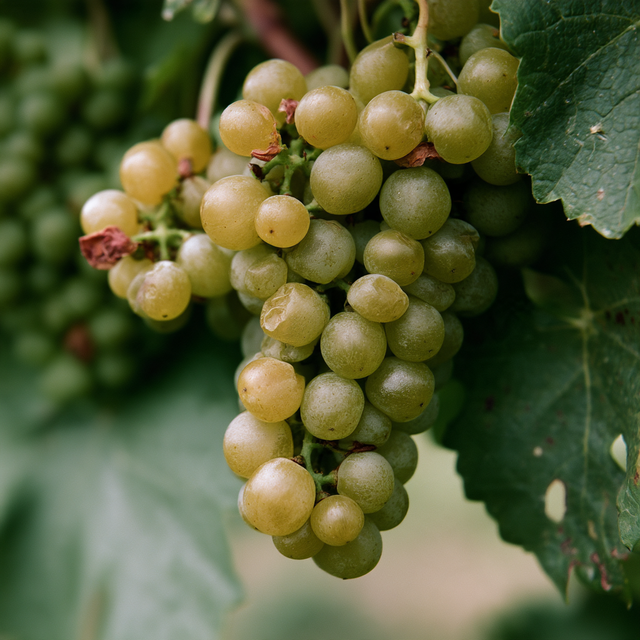
Mandirola 1913 Derthona Timorasso 2024 is 100% Timorasso. Derthona, the old Roman name for Tortona, is the Consorzio's category for Timorasso released no earlier than September of the year after harvest, between the young Piccolo and the longer-aged Riserva. Grapes come from vines trained to Guyot at about 4,000 plants per hectare, yielding around 6,000 kilograms per hectare, hand-picked from late September into early October and carried straight to the cellar in baskets. After a gentle pressing and a temperature-controlled fermentation, the wine rests on fine lees for at least 12 months; the estate works in concrete tanks more than 40 years old, without fining and with minimal filtration. Expect ripe pear, mature plum, golden apple and wildflower, then a dense, textured middle of toasted almond and citrus peel, finishing stony and long. In Piedmont, 2024 turned wet in September, rewarding growers who sorted hard and picked between storms.
The People
The family story starts with a farm, not a winery. In 1913, Enrico Mandirola bought a property called "il Muntagnei" in Casasco, a farm already a century old, growing grapes, wheat and corn on 10 to 12 hectares. His son Giovanni expanded wine production through the 1950s and 1960s alongside his four sons, Lino, Mario, Bruno and Giorgio. The next generation backed Timorasso in the 1980s, when almost no one would plant it, and the current winemaker joined in the late 1990s and shaped the farm's agronomy and cellar methods. Vineyard treatments are limited to sulfur and copper. The family also grows hazelnuts in nearby Momperone and makes a classic-method sparkling wine from Timorasso.
Food Pairing
Roast a pork loin with fennel and white wine; the wine's weight matches the meat while its acidity resets the palate after the fat. Fry a platter of zucchini flowers stuffed with ricotta and anchovy, where salinity meets salinity. Bake risotto with porcini and finish it with aged Parmigiano, letting the almond tones in the wine meet the nutty cheese. Or serve robiola with honey and walnuts. Timorasso from Piedmont is a white with the frame of a red, the bottle to reach for when Chardonnay feels too familiar.
We ship wine to most states with a $100 minimum order for shipping. We don't ship spirits nor beer.
Weather shipping advisory: Orders placed during times of extreme heat or extreme cold will be held for no charge until more favorable weather returns.
Piedmont, framed by the Alps in northwestern Italy, is a land of rolling hills and carefully cultivated vineyards. The continental climate, with its cold winters and warm summers, creates prime conditions for the Nebbiolo grape, which dominates much of the region's red wine production. The Langhe area is home to Barolo and Barbaresco, structured red wines known for their complex aromas, firm tannins, and aging potential. While Nebbiolo is the dominant grape of Piedmont, the region also makes interesting white wines like those from Arneis and Timorasso. Alto Piemonte is a separate region in the north with its own distinctive expressions of Nebbiolo, alongside other red grape varietals.