

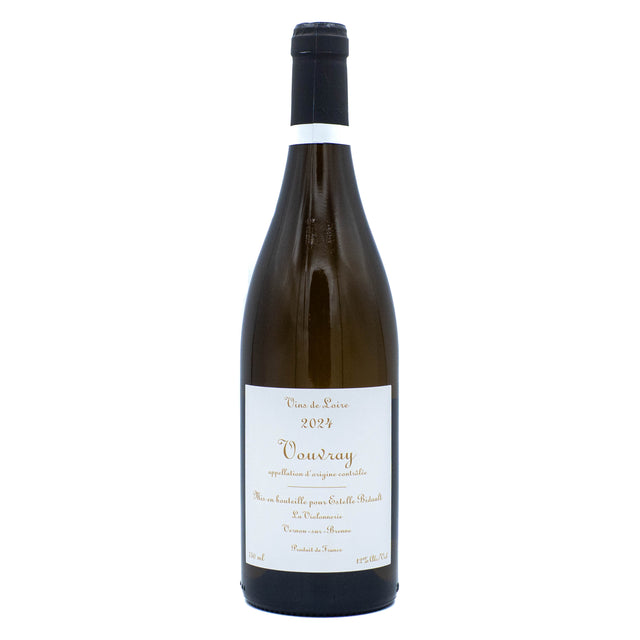
Mary Taylor Wines Estelle Bidault Vouvray 2024
We have 12 in stock (Inventory is live and accurate)
Summer Shipping Advisory: Orders may be temporarily held during periods of extreme heat to ensure wine arrives in optimal condition.
View current shipping weather map →
The Land
Vouvray's reputation runs the full spectrum from bone-dry sparkling to unctuous late-harvest, all from a single grape in a handful of communes east of Tours. The range is genuine: Chenin Blanc on tuffeau limestone is one of the most versatile white wines on earth. What distinguishes the best dry Vouvray from the rest is the presence of silex, the flint deposits that sit within and above the tuffeau subsoil in certain parcels. Where limestone provides roundness and structure, flint introduces a nervous, saline precision that cannot be replicated elsewhere. Estelle Bidault farms parcels in Vernou-sur-Brenne, a commune just west of the village of Vouvray within the AOP, on terroir where tuffeau and silex coexist. The result is a dry Chenin with the heft of the Loire and the edge of something more northern in character.
The Wine
100% Chenin Blanc, dry style. Native yeast fermentation, slow and gentle press, extended lees aging for texture without added weight. The 2024 Loire growing season was among the most difficult in recent memory: rainfall was double or more the annual average in many months, disease pressure was high throughout summer, and ripening came late. Yields were low and selection was rigorous. The payoff is natural acidity high enough to give the wine its tension and low alcohol that sharpens rather than softens it. White peach, citrus peel, crushed chalk, and a long saline finish. A challenging vintage that produced precisely the kind of dry Chenin Vouvray can make when conditions demand it.
The People
Mary Taylor is an American sommelier and buyer who built her wine business around one idea: find growers in the Loire worth knowing, put their name on the label instead of a regional brand, and price the wines as if prestige were irrelevant. Estelle Bidault is one of those growers. She is part of a younger generation of women making wine in the Loire under their own names, with their own vision of what the region can produce. Her focus is dry Chenin, a choice that puts her at odds with Vouvray's commercial mainstream, which still leans toward semi-sweet and sparkling styles. She reduces yields for concentration, farms with cover crops and selective leaf thinning, and walks her rows multiple times at harvest, picking only when ripeness and acidity align. In the cellar, the approach is restraint: native yeasts, no shortcuts, patient lees work.
Food Pairing
The combination of silex mineral precision and 2024's high acidity makes this one of the more food-driven whites in the shop. Roast chicken thighs with lemon and tarragon, pan-seared halibut with beurre blanc, a gratin dauphinois, or a cheese plate built around aged Comté all partner naturally. Light enough to open with guests, substantial enough to carry through the main course. The kind of white that earns its way to the bottom of the bottle.
We ship wine to most states with a $100 minimum order for shipping. We don't ship spirits nor beer.
Weather shipping advisory: Orders placed during times of extreme heat or extreme cold will be held for no charge until more favorable weather returns.
Chenin Blanc, celebrated for its high acidity and versatility, finds its most iconic expressions in the Loire Valley of France and the sun-drenched vineyards of South Africa. In the Loire Valley, it's the backbone of an array of styles, from vibrant, dry whites to lusciously sweet wines, showcasing the grape's remarkable ability to reflect terroir and respond to winemaking techniques. Meanwhile, South Africa has embraced Chenin Blanc, locally known as Steen, producing wines that range from fresh and fruity to complex and age-worthy, further cementing the grape's global appeal and adaptability.
Chenin Blanc

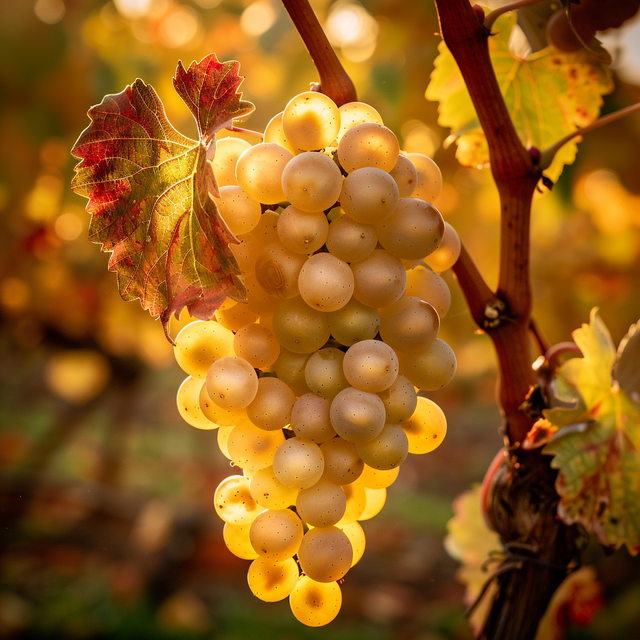
Sustainable vineyard farming is an environmentally conscious approach that prioritizes long-term ecological balance, economic viability, and social responsibility. Unlike organic farming, sustainable practices do not necessarily exclude synthetic chemicals, but rather focus on minimizing their usage, carefully managing resources like water and energy, protecting biodiversity, and reducing waste and carbon footprint. Wineries employing sustainable methods often integrate modern technology and traditional practices to improve efficiency and maintain healthy vineyards. Certifications like "SIP Certified" or "LIVE Certified" help validate sustainability efforts. However, sustainable farming differs distinctly from organic, as sustainable producers may use synthetic inputs in moderation if deemed necessary for the overall health and productivity of their vineyards.