Matassa Tommy Ferriol Rouge 2024
We have 5 in stock (Inventory is live and accurate)
The Land
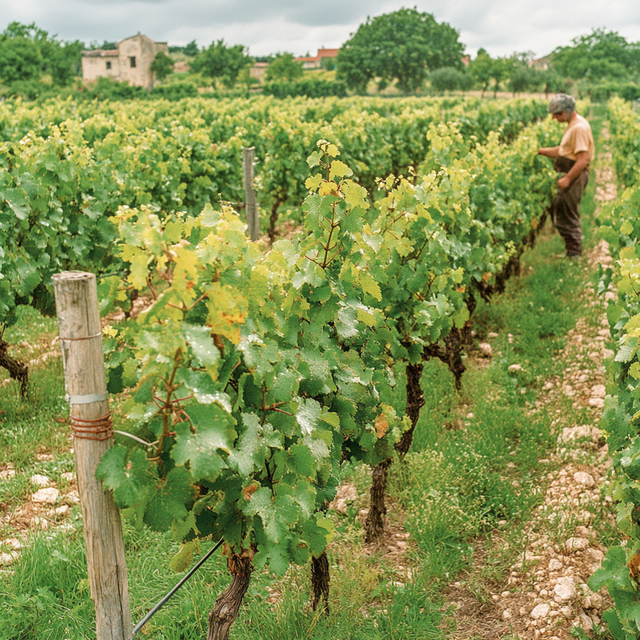
Matassa is often filed under Languedoc, but its vines are in Roussillon, the Catalan corner of France between Perpignan and the Pyrenees. The estate works small plots that run from the village of Calce up toward the Fenouillèdes, as high as 600 meters, dry-farmed on shallow schist, limestone, and marl. Tommy Ferriol comes from closer to home: the vines around Mas Ferriol, the historic Catalan farmhouse at Espira-de-l'Agly, near Perpignan, that serves as Matassa's winery and Tom Lubbe's home. Matassa is Catalan for a thicket of wild forest, a fair description of the scrub-covered hills that frame these vineyards and a clue to the wild-herb edge in the glass.
The Wine
Matassa Tommy Ferriol 2024 is about 70 percent Syrah and 30 percent Muscat à Petits Grains, co-fermented with a quick three-day maceration. A short time on skins pulls color and fruit but little tannin, and the Muscat lifts the Syrah with perfume. The result is a light, crunchy red at about 11 percent alcohol, bottled as Vin de France. Until recently this cuvée went by the name Brutal Rouge. Expect blueberry, red currant, and raspberry from the Syrah, rose petal and spice from the Muscat, wild herbs and cracked pepper, and a juicy, compact palate that keeps shifting in the glass as it opens. Serve it with a light chill; colder fruit and low alcohol make the Muscat perfume pop.
The People
Tom Lubbe came from South Africa to Roussillon to work at Domaine Gauby in Calce, married into the Gauby family, and founded Matassa in 2003. In the two decades since, he has become one of the region's most committed advocates of biodynamic farming. A few years ago Matassa moved into Mas Ferriol, a property long known as Domaine Jolly Ferriol, and confusion over who owned what followed. Lubbe answered by renaming this wine: Tommy Ferriol celebrates the fact that its grapes come only from Matassa's own vineyards around the mas. It is the most immediate wine in the range, a light red meant for drinking young, and a clear way into natural wine from Roussillon.
Food Pairing
Chill it and cook something casual. Pizza topped with fennel sausage and a drizzle of chili honey works because the low tannin handles the heat and the Muscat perfume echoes the fennel. Escalivada, the Catalan dish of roasted eggplant, peppers, and onions, laid over toasted bread with anchovies, plays to the wild-herb side. Pork goulash with sweet paprika and caraway over egg noodles lets the acidity cut the richness, and a bánh mì with grilled lemongrass pork and pickled carrots shows how well the floral lift handles sweet, sour, and spice. This is the bottle to open on a warm evening when nobody wants to think too hard about the wine, and everyone ends up asking about it.
We ship wine to most states with a $100 minimum order for shipping. We don't ship spirits nor beer.
Weather shipping advisory: Orders placed during times of extreme heat or extreme cold will be held for no charge until more favorable weather returns.
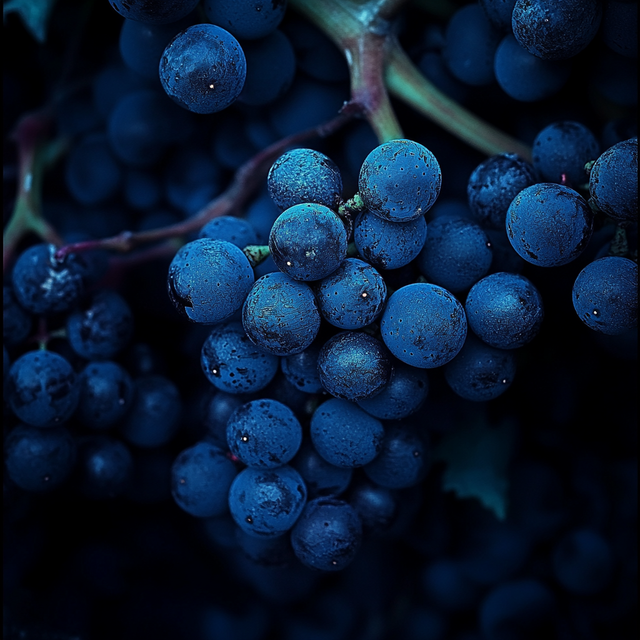
Syrah is a dark-skinned grape of French origin, specifically from the Northern Rhône Valley, where it produces some of the world's most powerful and complex wines. Known as Shiraz in Australia, Syrah is capable of displaying a wide range of aromas and flavors. Cool climate Syrahs tend to express floral notes like violets, along with savory elements like olives, while those grown in warmer climates like Australia are more likely to show black pepper and dark fruit notes such as plum. The grape's versatility allows it to adapt to various climates and soil types, but it maintains its unique characteristics no matter where it is planted.
Syrah
Practicing Organic vineyard farming involves growing grapes using organic methods—avoiding synthetic fertilizers, herbicides, pesticides, and fungicides—but without formal certification. Wineries adopting this approach prioritize environmental health, soil vitality, and biodiversity, using natural practices such as composting, cover cropping, and manual pest control. Many small wineries opt for practicing organic methods rather than pursuing official organic certification, primarily due to the significant cost, paperwork, and time commitment involved in certification processes. As a result, practicing organic is a popular choice among boutique and artisanal producers who remain committed to sustainable agriculture while managing budgetary constraints.