

Mocali Brunello di Montalcino 2019
We have 11 in stock (Inventory is live and accurate)
The Land
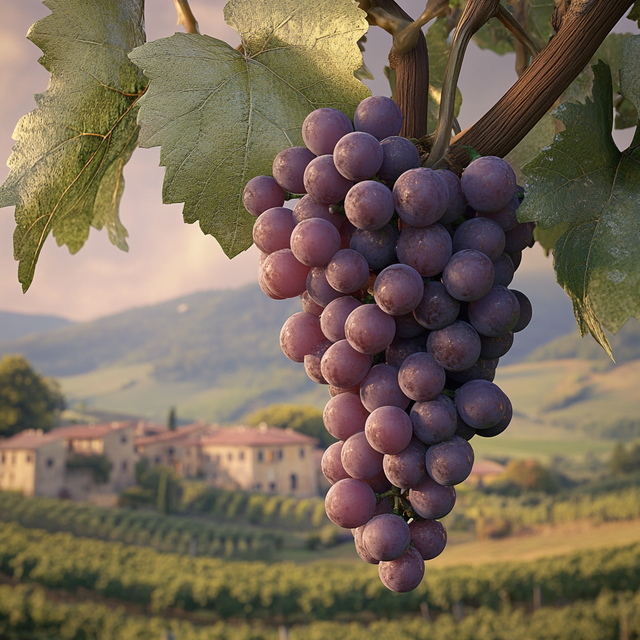
Mocali's Brunello vineyards were olive groves until the winter of 1985, when a hard frost killed the trees and the family replanted the slopes with Sangiovese. Those vines sit on the western side of Montalcino, on hillsides that look toward Castiglione del Bosco, at roughly 300 to 400 meters. The soils are galestro, the flaky, crumbly schist of marl and limestone that runs through much of the appellation, with clay mixed in. Galestro drains fast and holds back vigor, and it tends to give Sangiovese firm tannin and a dusty, mineral frame. The elevation keeps nights cool enough to hold acidity through ripening, so the fruit arrives ripe without going heavy.
The Wine
Mocali Brunello di Montalcino 2019 is 100% Sangiovese, fermented in stainless steel and then aged about three years in large casks of French and Slavonian oak. The classic Brunello sees no barrique; big, seasoned wood lets the fruit and the galestro do the talking. Expect red and dark cherry, red currant, plum, tobacco, earth, and sweet spice with a dusty edge, fine-grained tannin, and a long finish. The 2019 growing season opened with a cool, wet spring that held the vines about two weeks behind schedule. Summer turned hot and dry, but winter rain had filled the soils, so ripening never stalled. Early September rain lowered sugars and extended hang time, and the consorzio reported 98,407 hectoliters, the largest crop in five years.
The People
Dino Ciacci took on Mocali in the 1950s as a mixed farm of grain, sheep, and olives, and in 1967 he was one of the 25 producers who founded the Consorzio del Vino Brunello di Montalcino, which now counts more than 200 members. For decades the family sold its grapes. His grandson Tiziano Ciacci and Tiziano's wife, Alessandra Mililotti, changed that: after the 1985 frost they planted vineyards for Brunello and decided to bottle their own wine, releasing the first Mocali Brunello from the 1990 vintage. They later added a neighboring farm for the Poggio Nardone label and land in the Maremma, and their daughter Pamela has joined the business. The vineyards are farmed organically, and the cellar stays traditional.
Food Pairing
Mocali has the tannin and depth for slow-cooked food. Make arista, a pork loin rubbed with garlic, rosemary, and fennel seed and roasted until the fat crisps; the acidity cuts the richness and the herbs echo the wine's earthy side. Pappardelle with a duck ragù and a little orange zest meets the red cherry and sweet spice. Grilled lamb chops with salsa verde work because the tannin softens against the char and the herbs lift the fruit. A porcini risotto finished with aged Parmigiano brings out the tobacco and earth. This is the bottle for the dinner where you cook all afternoon and nobody leaves the table early.
We ship wine to most states with a $100 minimum order for shipping. We don't ship spirits nor beer.
Weather shipping advisory: Orders placed during times of extreme heat or extreme cold will be held for no charge until more favorable weather returns.
Tuscany is one of Italy’s most iconic wine regions, anchored by historic regions like Chianti and Montalcino, where Sangiovese thrives in clay-limestone soils and varying elevations. Chianti Classico produces medium-bodied, savory reds, while Montalcino’s warmer, drier conditions give rise to the powerful and long-lived Brunello. Along the Tuscan coast, regions like Bolgheri emerged in the late 20th century with the rise of Super Tuscans—often blends of international varieties like Cabernet Sauvignon and Merlot grown in marine-influenced soils. While overwhelmingly known for red wines, Tuscany is also home to great classic whites grown in San Gimignano and modern whites often made with French grape varieties.
Italy - Tuscany

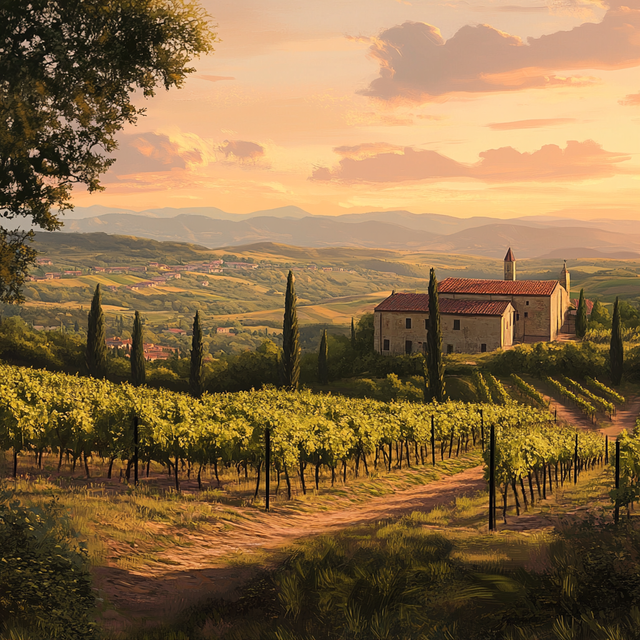
Sangiovese is Italy’s most widely planted red grape and the backbone of many of the country’s most renowned wines, including Chianti Classico, Brunello di Montalcino, and Vino Nobile di Montepulciano. Its name likely derives from the Latin “sanguis Jovis,” or “blood of Jupiter,” hinting at its ancient Roman roots. While native to central Italy, particularly Tuscany, it is also grown in regions like Umbria, Emilia-Romagna, and even scattered sites abroad. Sangiovese is known for its high acidity, firm tannins, and bright red fruit character, often showing notes of sour cherry, dried herbs, and earthy spice. Its structure and versatility make it a natural match for food and a compelling lens through which to explore regional terroirs.