

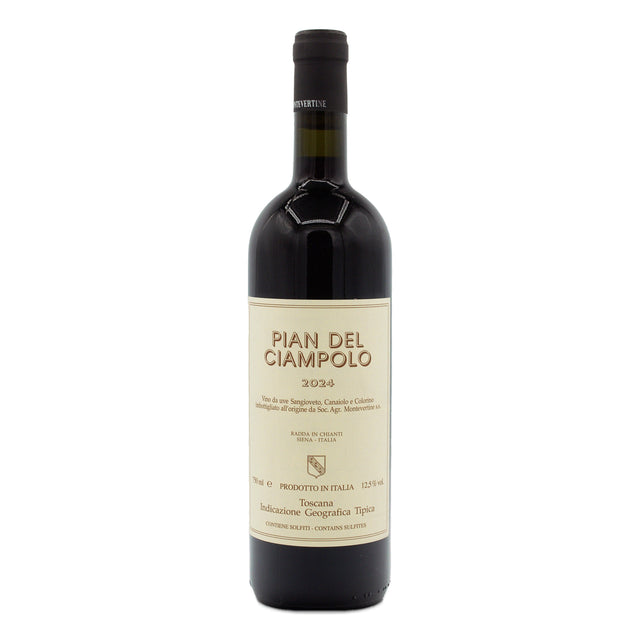
Montevertine Pian del Ciampolo 2024
We have 6 in stock (Inventory is live and accurate)
The Land
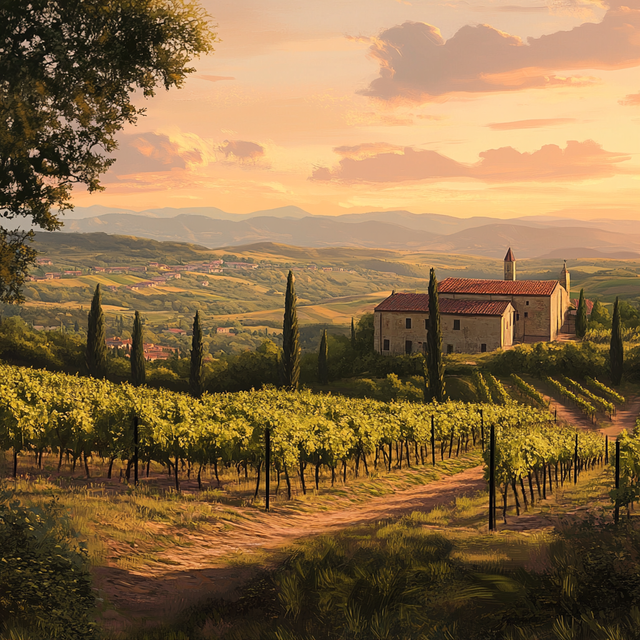
Radda in Chianti was long considered too high and too rocky to ripen Sangiovese reliably, and that is exactly why Montevertine's wines taste the way they do. The estate sits on a wooded hilltop about three kilometers south of Radda, at roughly 425 meters, on land locals called Sodaccio, "tough to work." Radda is one of the coolest corners of Chianti Classico, which gives the vines a long, even growing season instead of a rush to sugar. Pian del Ciampolo takes its name from a 1.5-hectare vineyard planted in 2003, but the wine draws on fruit from all of the estate's vineyards, making it the clearest snapshot of the whole property.
The Wine
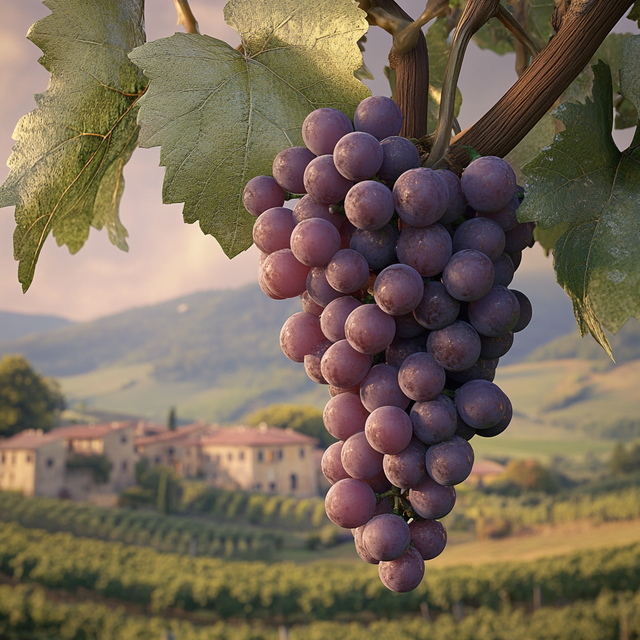
Montevertine Pian del Ciampolo 2024 is 90% Sangiovese with 5% each of Canaiolo and Colorino. Hand-picked fruit ferments for about 25 days in vitrified concrete without temperature control, malolactic also takes place in concrete, and the wine then spends 12 months in large Slavonian oak casks before bottling without filtration. The big, neutral wood rounds the tannin without adding vanilla. In past vintages Pian del Ciampolo has shown crushed red berries, rose petal, mint, spice, and an earthy undertone, with a juicy middle and silky tannin. In 2024 a hot, dry summer gave way to up to 400 millimeters of rain over seven weeks from early September, Radda included; growers who waited got the longest hang time since 1993, bright acidity, and moderate alcohol.
The People
Sergio Manetti, a steel industrialist, bought the hamlet in 1967 as a family retreat, planted two hectares, and set up a small cellar to make wine for friends and clients. His first vintage, 1971, went to Vinitaly in Verona, and the reception pulled him out of industry and into winemaking full time. His key ally was Giulio Gambelli, the Poggibonsi enologist who helped plant those first vines and became one of Sangiovese's great defenders. Gambelli's cellar habits still govern the winery. Sergio's son Martino worked beside his father for about a decade before his first solo vintage in 2001, and now runs the estate with Paolo Salvi, a Gambelli protégé. The vineyards have been farmed organically since 2009, with house-made compost, grass between the rows, and only copper and sulfur.
Food Pairing
Pian del Ciampolo is the Montevertine bottle meant for an ordinary night at the table. Make pappa al pomodoro, the Tuscan bread-and-tomato soup finished with good olive oil and torn basil; the wine's acidity matches the tomato and its red fruit lifts the bread. Spaghetti with a slow pork-and-beef ragù works because the firm tannin grips the meat while the acidity cuts the fat. Roast chicken with rosemary and garlic, potatoes cooked in the pan drippings, lets the herbal side of Sangiovese meet the rosemary. This is the red to open on a Wednesday when you want the taste of Chianti hill country without waiting a decade for it.
We ship wine to most states with a $100 minimum order for shipping. We don't ship spirits nor beer.
Weather shipping advisory: Orders placed during times of extreme heat or extreme cold will be held for no charge until more favorable weather returns.
Tuscany is one of Italy’s most iconic wine regions, anchored by historic regions like Chianti and Montalcino, where Sangiovese thrives in clay-limestone soils and varying elevations. Chianti Classico produces medium-bodied, savory reds, while Montalcino’s warmer, drier conditions give rise to the powerful and long-lived Brunello. Along the Tuscan coast, regions like Bolgheri emerged in the late 20th century with the rise of Super Tuscans—often blends of international varieties like Cabernet Sauvignon and Merlot grown in marine-influenced soils. While overwhelmingly known for red wines, Tuscany is also home to great classic whites grown in San Gimignano and modern whites often made with French grape varieties.
Italy - Tuscany

Sangiovese is Italy’s most widely planted red grape and the backbone of many of the country’s most renowned wines, including Chianti Classico, Brunello di Montalcino, and Vino Nobile di Montepulciano. Its name likely derives from the Latin “sanguis Jovis,” or “blood of Jupiter,” hinting at its ancient Roman roots. While native to central Italy, particularly Tuscany, it is also grown in regions like Umbria, Emilia-Romagna, and even scattered sites abroad. Sangiovese is known for its high acidity, firm tannins, and bright red fruit character, often showing notes of sour cherry, dried herbs, and earthy spice. Its structure and versatility make it a natural match for food and a compelling lens through which to explore regional terroirs.