

Niew Vineyards Royer Vineyard Chardonnay 2024
We have 6 in stock (Inventory is live and accurate)
The Land
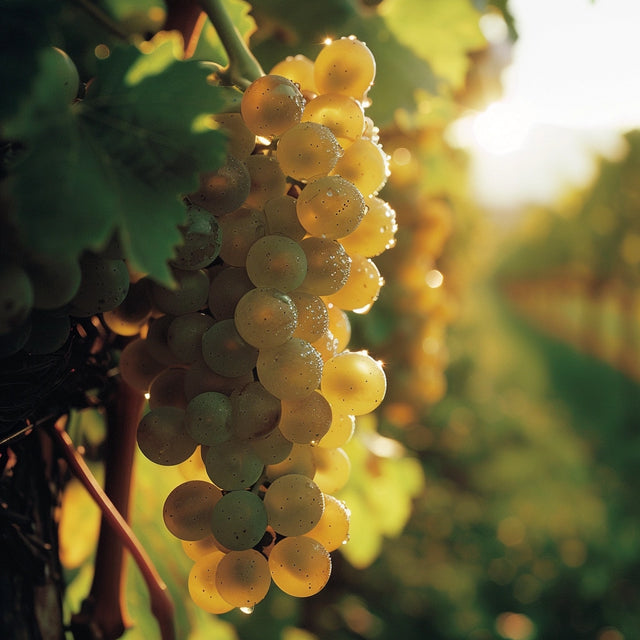
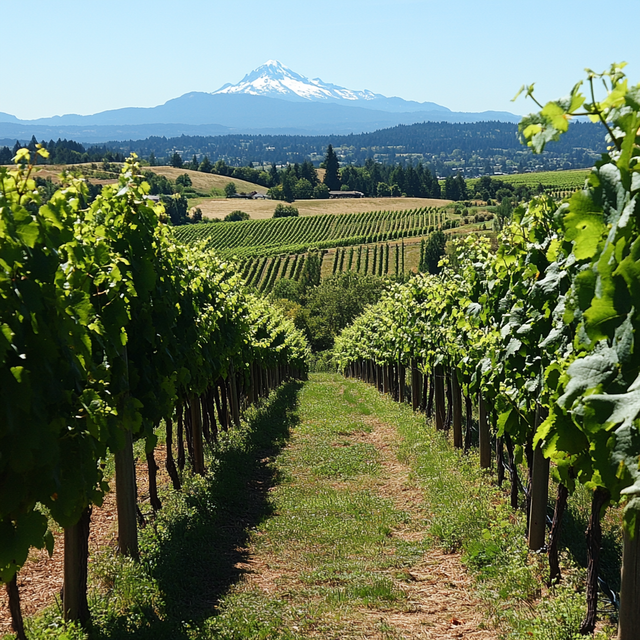
This Chardonnay comes from a vineyard its maker doesn't own. Tai-Ran Niew's own Chehalem Mountains vines are still establishing, so the 2024 is built on fruit from Royer Vineyard in the Eola-Amity Hills, the site behind Mark Royer's own label on Orchard Heights Road west of Salem. Royer's west-facing slopes sit at roughly 600 to 750 feet on volcanic Columbia River basalt, planted to Chardonnay clones 76 and 95, dry farmed and farmed organically. The Eola-Amity Hills take the full force of the Van Duzer winds, cool marine air funneled through a gap in the Coast Range each afternoon, which holds acidity in Chardonnay late into the season. In 2024 the Willamette Valley ran warmer than its 30-year average until early September, then cooled sharply, slowing ripening into a long finish.
The Wine
Niew works slowly. The Niew Vineyards Royer Vineyard Chardonnay 2024 spends two winters in the cellar before bottling: first in old oak, then finished in stainless steel, so the wood shapes texture without adding flavor. Mid-September 2024 brought days in the 70s and nights in the 50s, giving Chardonnay picks across the valley extra hang time and keeping alcohol in check. Vintage-specific tasting notes don't exist yet for a wine this new. Expect what basalt and Van Duzer wind usually give Eola-Amity Chardonnay: lemon, green apple and white peach, a saline, stony line, and firm acidity, with the two winters in barrel and tank adding a layered, settled texture through a long finish.
The People
Tai-Ran Niew came to wine from aeronautical engineering and finance. Born in Britain and raised between London and Singapore, he earned a PhD in aeronautical engineering at Cambridge, then spent years as an investment banker in Asia before leaving in 2006. He studied for a WSET certificate, worked a harvest in South Australia, blended in Bordeaux and researched biodynamics in Burgundy. In 2015 he found his site in the Chehalem Mountains and planted only Chardonnay, about a dozen clone selections. He farms by Masanobu Fukuoka's natural, "do-nothing" method: no tilling and no chemical sprays. In his words, the vines need "only sunlight, air and water." His first vintage was 2019. Oregon Chardonnay specialist Seth Morgen Long provides cellar space and mentorship.
Food Pairing
Dungeness crab with drawn butter and lemon: the acidity cuts the butter, and the saline edge matches the sweet crab. Halibut with beurre blanc and chives: the wine's settled texture meets the sauce while its acidity keeps the fish bright. Roast chicken with tarragon and crème fraîche pan sauce: orchard fruit and herbs line up, and freshness lightens the cream. Warm gougères made with aged Comté: nutty cheese and stony Chardonnay are a classic pairing for good reason. Open it for a holiday table where seafood leads, or for any night you want a white wine that keeps your attention through the whole bottle.
We ship wine to most states with a $100 minimum order for shipping. We don't ship spirits nor beer.
Weather shipping advisory: Orders placed during times of extreme heat or extreme cold will be held for no charge until more favorable weather returns.
The Willamette Valley, nestled in Oregon, is a region renowned for its cool-climate wines, particularly its Pinot Noir. While Pinot Noir is its most celebrated variety, the valley is also home to other cool climate varieties like Chardonnay and Riesling. The region's unique terroir, characterized by rolling hills, volcanic and sedimentary soils, and a maritime climate influence, contributes to the elegance and complexity of its wines. The wines of the Willamette Valley offer a delicate balance between fruit, acidity, and earthiness. Its increasingly growing reputation places it among the world’s top regions for Pinot Noir.
Oregon - Willamette Valley

Chardonnay, one of the world's most versatile and beloved white grape varieties, showcases a remarkable spectrum of styles, from the lean, mineral-driven expressions of Chablis in France to the rich, buttery, and oak-aged versions from California's Napa Valley. Its adaptability extends to cooler climates such as Burgundy, where it achieves elegance and complexity, and to regions like Australia's Yarra Valley, known for producing vibrant and fruit-forward renditions. This grape's ability to reflect its terroir, coupled with winemaking techniques, results in a wide array of profiles, including unoaked, crisp varieties with apple and citrus notes, to full-bodied wines with tropical fruit flavors and creamy textures.