

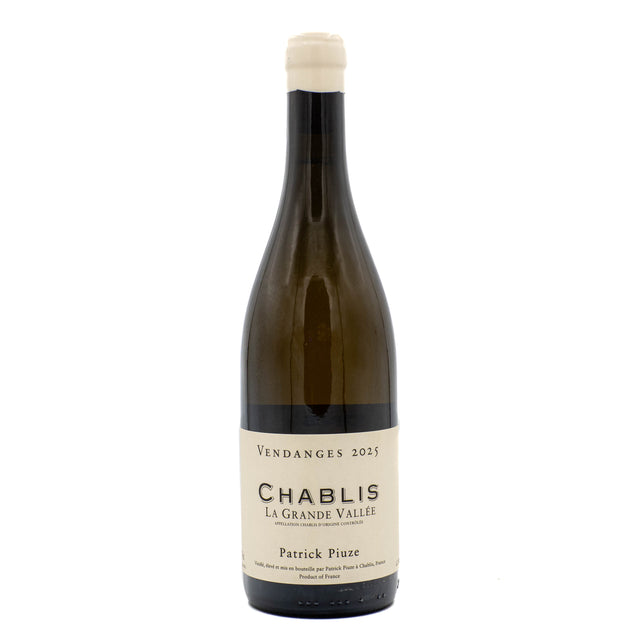
Patrick Piuze Chablis La Grande Vallee 2025
We have 3 in stock (Inventory is live and accurate)
Summer Shipping Advisory: Orders may be temporarily held during periods of extreme heat to ensure wine arrives in optimal condition.
View current shipping weather map →
The Land
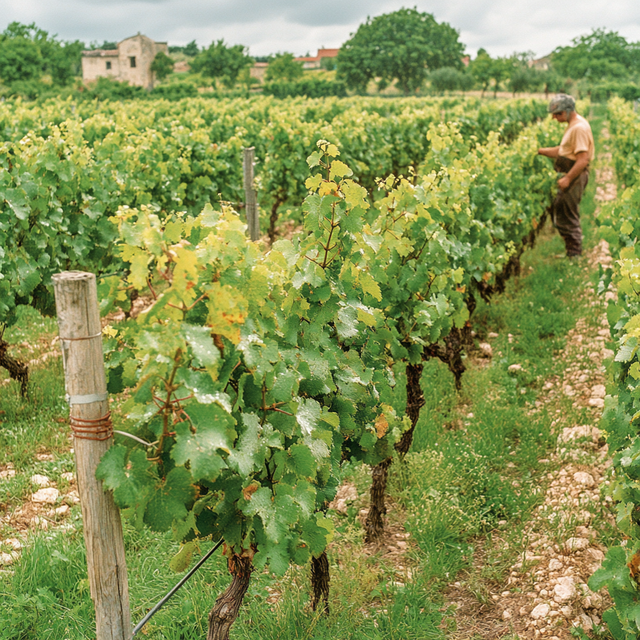
La Grande Vallée comes from Les Pargues, a lieu-dit lying in the valley between two premier cru hills: Montmains on one side, Vaillons on the other. This is the left bank of the Serein, where Chablis carries noticeably more clay in its topsoil over the Kimmeridgian marl beneath, and clay in Chablis means breadth, rounder wines with more mid-palate flesh than the leaner right bank produces. The monks who mapped these slopes centuries ago rated this site highly, which is why a vineyard carrying only the village appellation keeps turning up in conversations about premier cru. Sitting between two crus rather than on one means slightly deeper soil, more shelter from the wind, and a longer, more even ripening curve than the exposed hillsides above it.
The Wine
Chardonnay, hand-harvested. The important detail is the vessel. Piuze treats Grande Vallée the way he treats his premier and grand cru bottlings, fermenting and aging it in neutral oak rather than the stainless steel he uses for his village-level Terroir cuvées. The barrels are always used, never new. Fermentation is spontaneous, malolactic natural, filtration a very gentle clay pass. The wood adds no flavor; it adds texture and a slower élevage. Pear, white flowers, toasted hazelnut and an oyster-jus brine, a satiny middle, a saline finish that runs long. 2025 gave small, thick-skinned berries after two summer heatwaves, one at the end of June and one from August 8 to 18 near 40°C. The pickers went out on August 18. Alcohol stayed moderate and the acidity survived intact.
The People
Piuze is a négociant in the old, honorable sense: he buys grapes and makes wine, and owns not a single row of vines. That sounds like a limitation until you see what it buys him. Working with seventeen growers across roughly 25 hectares, all farming sustainably, he can chase specific parcels, a valley floor here, a plot bordering a famous neighbor there, and bottle each separately instead of blending toward a house style. He advises those growers on viticulture and insists on hand-harvesting with a crew of seventy. His own line on why: the only original thing in wine is the underlying terroir, since anyone can copy a technique. Grande Vallée, a village wine given cru treatment, is that argument in a bottle.
Food Pairing
The barrel-raised texture opens this up well past oysters. Roast chicken with a pan sauce built on the drippings and a spoonful of mustard. Seared scallops on cauliflower purée. A gratin of potatoes and Comté, where the wine's salinity keeps the dairy from going flat. Or a warm lobster roll, the butter version, no mayonnaise. This is the bottle to bring when someone else is cooking and you want to look like you know what you are doing.
We ship wine to most states with a $100 minimum order for shipping. We don't ship spirits nor beer.
Weather shipping advisory: Orders placed during times of extreme heat or extreme cold will be held for no charge until more favorable weather returns.
Chablis, a village and region in northern Burgundy, is all about Chardonnay, making arguably the best unoaked versions in the world. The wines here are defined by a crisp acidity and a strong mineral backbone. The area's unique Kimmeridgian limestone soil, packed with marine fossils, gives the wines a distinctive flinty edge. One slope overlooking the village holds the seven Grand Cru vineyards, while Premier Cru sites are scattered along both sides of the Sereine River, which cuts the region in half. Chablis is the ultimate destination for highly mineral white wines.
Burgundy - Chablis


Chardonnay, one of the world's most versatile and beloved white grape varieties, showcases a remarkable spectrum of styles, from the lean, mineral-driven expressions of Chablis in France to the rich, buttery, and oak-aged versions from California's Napa Valley. Its adaptability extends to cooler climates such as Burgundy, where it achieves elegance and complexity, and to regions like Australia's Yarra Valley, known for producing vibrant and fruit-forward renditions. This grape's ability to reflect its terroir, coupled with winemaking techniques, results in a wide array of profiles, including unoaked, crisp varieties with apple and citrus notes, to full-bodied wines with tropical fruit flavors and creamy textures.
Chardonnay
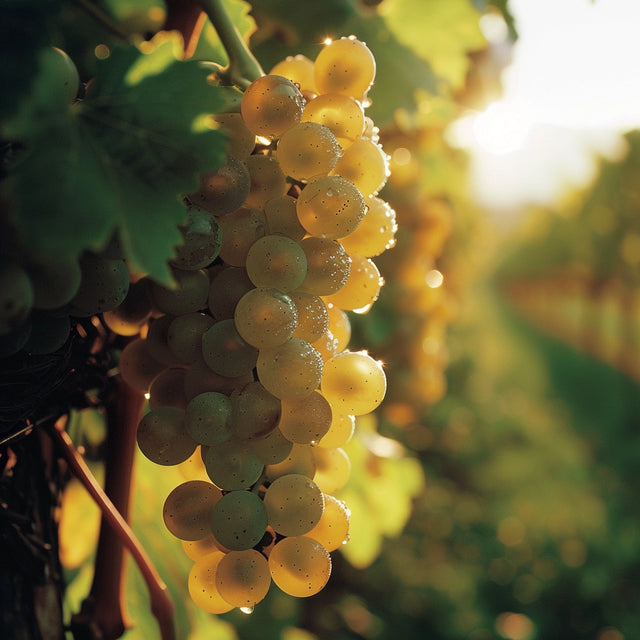
Practicing Organic vineyard farming involves growing grapes using organic methods—avoiding synthetic fertilizers, herbicides, pesticides, and fungicides—but without formal certification. Wineries adopting this approach prioritize environmental health, soil vitality, and biodiversity, using natural practices such as composting, cover cropping, and manual pest control. Many small wineries opt for practicing organic methods rather than pursuing official organic certification, primarily due to the significant cost, paperwork, and time commitment involved in certification processes. As a result, practicing organic is a popular choice among boutique and artisanal producers who remain committed to sustainable agriculture while managing budgetary constraints.