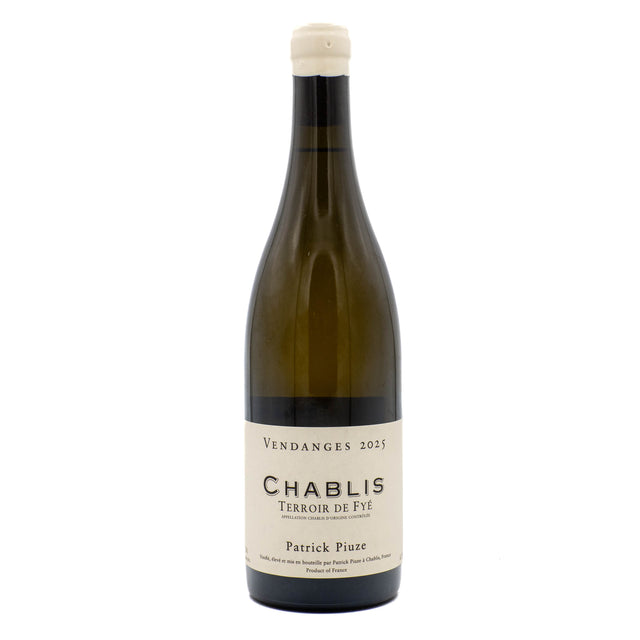
Patrick Piuze Chablis Terroir de Fyé 2025
We have 12 in stock (Inventory is live and accurate)
Summer Shipping Advisory: Orders may be temporarily held during periods of extreme heat to ensure wine arrives in optimal condition.
View current shipping weather map →
The Land
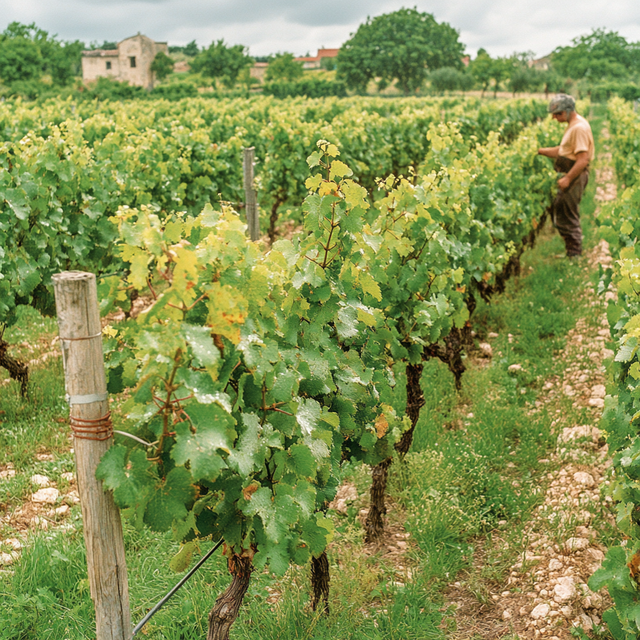
Fyé is a hamlet tucked into a fold of the Serein valley immediately below the grand cru hill, close enough that you can look down on this parcel from the top of the slope. The vineyard is a single 2.5-hectare block wrapped around a small chateau, sitting just across from grand cru Blanchots and near Chapelot, the sub-climat of premier cru Montée de Tonnerre. This is the right bank, and the right bank in Chablis means much less clay in the topsoil and more exposed limestone than the opposite side of the river. The rock is Kimmeridgian marl, the soft fossil-packed seabed that gives Chablis its saline signature. Village-level on paper, grand cru neighborhood in fact, and the wine tastes like the address rather than the classification.
The Wine
Chardonnay from that single parcel. Fermentation starts on its own, in old uncooled stainless tanks, and malolactic finishes naturally. The wine is bottled in spring with a light clay filtration and never sees wood. Fyé reads floral before it reads citric: white blossom, linden, then yellow plum and white peach, with the pit-fruit bite the site is known for and a long, salty, faintly bitter close. 2025 arrived early and hot. After weeks of drought, heavy but uneven rain in mid-August restarted ripening. Harvest began August 18 and split into two phases when early September rain arrived. Small berries with thick skins gave concentration, and roughly 15 percent of the fruit needed sorting for late botrytis. The appellation reported yields of 50 to 55 hectoliters per hectare, slightly under the ten-year average.
The People
Most Chablis producers make one village wine. Patrick Piuze makes eleven, each from a different commune or lieu-dit, and to do that he has had to become a walking map of the region's geology. He will tell you flatly how it works: plateau tops are Petit Chablis, north-facing slopes are village Chablis, south-facing slopes are premier cru, and the grand cru hill faces west to southwest. The left bank has clay and gives richer wine. The right bank, where Fyé sits, has limestone and gives tension. Piuze is from Montreal, arrived in Chablis by way of Olivier Leflaive, Verget and Jean-Marc Brocard, and launched his own label in 2008. He owns no land, and the seventeen growers who supply him farm sustainably.
Food Pairing
Fyé's floral lift wants delicate protein. Sole meunière, browned butter and lemon. Crab cakes with very little filler and a lemon aioli. A whole branzino roasted with fennel and thyme, where the wine's salinity picks up the herb. If you want something less formal, mussels steamed with shallots and a splash of the same wine. This is the Chablis to pour when you have made an actual effort at dinner and want the wine to notice.
We ship wine to most states with a $100 minimum order for shipping. We don't ship spirits nor beer.
Weather shipping advisory: Orders placed during times of extreme heat or extreme cold will be held for no charge until more favorable weather returns.
Chablis, a village and region in northern Burgundy, is all about Chardonnay, making arguably the best unoaked versions in the world. The wines here are defined by a crisp acidity and a strong mineral backbone. The area's unique Kimmeridgian limestone soil, packed with marine fossils, gives the wines a distinctive flinty edge. One slope overlooking the village holds the seven Grand Cru vineyards, while Premier Cru sites are scattered along both sides of the Sereine River, which cuts the region in half. Chablis is the ultimate destination for highly mineral white wines.
Burgundy - Chablis

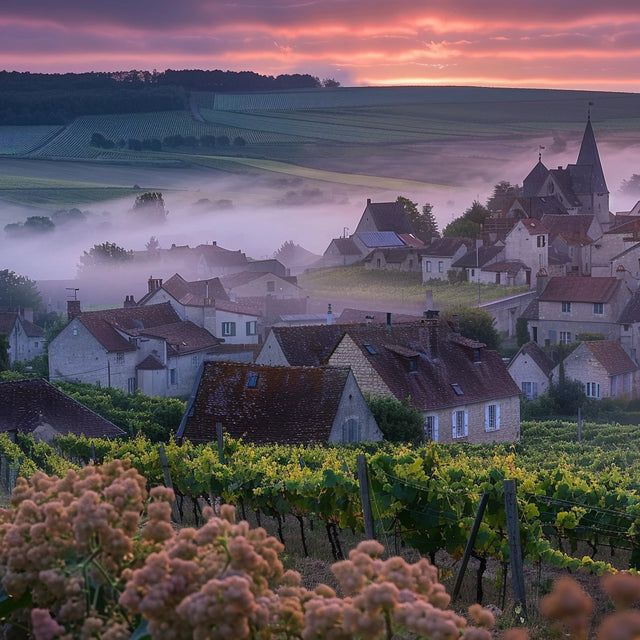
Chardonnay, one of the world's most versatile and beloved white grape varieties, showcases a remarkable spectrum of styles, from the lean, mineral-driven expressions of Chablis in France to the rich, buttery, and oak-aged versions from California's Napa Valley. Its adaptability extends to cooler climates such as Burgundy, where it achieves elegance and complexity, and to regions like Australia's Yarra Valley, known for producing vibrant and fruit-forward renditions. This grape's ability to reflect its terroir, coupled with winemaking techniques, results in a wide array of profiles, including unoaked, crisp varieties with apple and citrus notes, to full-bodied wines with tropical fruit flavors and creamy textures.
Chardonnay
Practicing Organic vineyard farming involves growing grapes using organic methods—avoiding synthetic fertilizers, herbicides, pesticides, and fungicides—but without formal certification. Wineries adopting this approach prioritize environmental health, soil vitality, and biodiversity, using natural practices such as composting, cover cropping, and manual pest control. Many small wineries opt for practicing organic methods rather than pursuing official organic certification, primarily due to the significant cost, paperwork, and time commitment involved in certification processes. As a result, practicing organic is a popular choice among boutique and artisanal producers who remain committed to sustainable agriculture while managing budgetary constraints.