

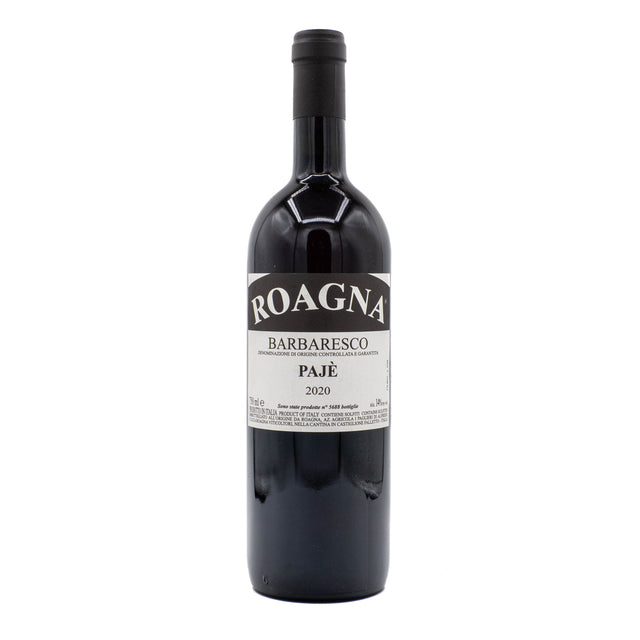
Roagna Barbaresco Paje 2020
We have 2 in stock (Inventory is live and accurate)
Summer Shipping Advisory: Orders may be temporarily held during periods of extreme heat to ensure wine arrives in optimal condition.
View current shipping weather map →
The Land
Barbaresco is usually sold as the softer, quicker-drinking sibling of Barolo. Pajè makes that case hard to argue. The vineyard sits at the center of the Barbaresco commune, averaging 230 meters, with southerly to southwesterly exposure, a natural amphitheater walled off from wind by the surrounding hills and open to the Tanaro river valley, which pulls the extremes off both ends of the day. The geology sets it apart. Pajè carries the highest concentration of active limestone of any site Roagna farms, calcareous marl laid down by a shallow sea roughly 70 million years ago. Active limestone restricts vigor and pushes acidity, which is why this Barbaresco is built with the grip and the longevity of a serious Barolo. The Roagna family has owned it since 1953.
The Wine
Nebbiolo from Barbaresco, 1.83 hectares of it, from vines averaging over fifty years old. This is the standard Pajè, not the Vecchie Viti selection, which comes off the oldest plants in the same vineyard and is bottled separately. Fermentation lasts about ten days in large wooden vats with a pied de cuve of indigenous yeasts, then 60 to 70 days of submerged-cap maceration, the skins held under the wine rather than punched down or pumped over. That long, still extraction gives density without coarseness. Roughly five years in large neutral casks and concrete follow, then bottling unfined and unfiltered. Fewer than 7,000 bottles a year. The 2020 season opened dry, took on water from frequent rain between May and mid-June, then ran warm through summer with cool August nights and a fresh early September, and Nebbiolo came in through October. Dried rose, star anise, blood orange peel, tar and truffle, with tannin that is fine-boned and long.
The People
Pajè is the family vineyard in the literal sense. Alfredo Roagna's father Giovanni spent years walking these rows working out which parcels behaved differently from their neighbors. That research produced Crichët Pajé, first released commercially in 1978 and still the estate's most serious bottling. Alfredo and his son Luca run the estate today from that cellar. Their manifesto is short and specific: mass selection, harvest at physiological ripeness rather than by the calendar, indigenous yeasts, submerged-cap maceration, long aging in wood, longer aging in bottle. Roagna held that line through the 1990s, when barriques and short macerations were the fashion in the Langhe and traditionalists were treated as a dying category.
Food Pairing
Barbaresco this structured belongs at the table, not in a glass on its own. Agnolotti del plin in butter and sage is the local reflex, and the acidity handles the richness cleanly. Roasted duck breast with a cherry and balsamic reduction gives the dried-rose and blood-orange aromatics something to echo. Wild mushroom risotto finished with parmesan brings out the truffle and undergrowth side. Or braised short ribs cooked down until they collapse, where the tannin has gelatin and fat to work against. Pull the cork an hour early. This is the bottle you open when someone at the table thinks they already know what Barbaresco tastes like.
We ship wine to most states with a $100 minimum order for shipping. We don't ship spirits nor beer.
Weather shipping advisory: Orders placed during times of extreme heat or extreme cold will be held for no charge until more favorable weather returns.
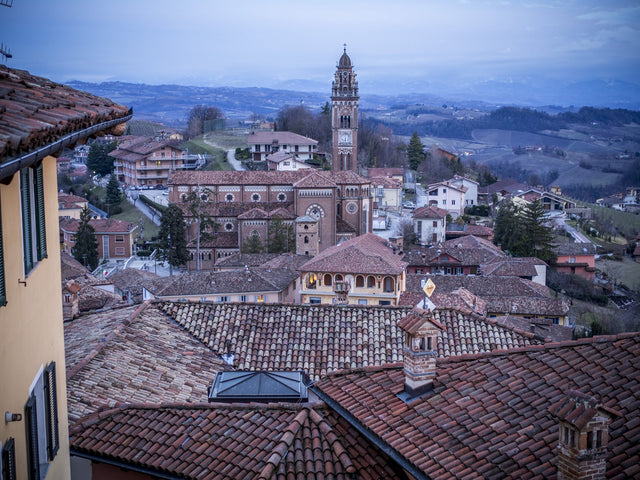
Piedmont, framed by the Alps in northwestern Italy, is a land of rolling hills and carefully cultivated vineyards. The continental climate, with its cold winters and warm summers, creates prime conditions for the Nebbiolo grape, which dominates much of the region's red wine production. The Langhe area is home to Barolo and Barbaresco, structured red wines known for their complex aromas, firm tannins, and aging potential. While Nebbiolo is the dominant grape of Piedmont, the region also makes interesting white wines like those from Arneis and Timorasso. Alto Piemonte is a separate region in the north with its own distinctive expressions of Nebbiolo, alongside other red grape varietals.
Italy - Piedmont

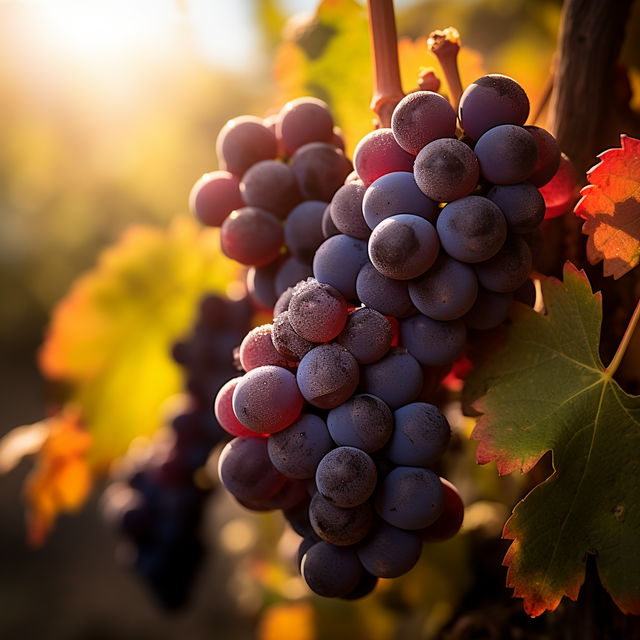
Nebbiolo, a prestigious grape from Italy's Piedmont region, is celebrated for its profound truffle and rose aromas, complex flavors, and ability to age gracefully thanks to strong acidity and tannins, producing the renowned Barolo and Barbaresco wines.