Vinos Los Finos de California Sabroso 2024
We have 2 in stock (Inventory is live and accurate)
We ship wine to most states with a $100 minimum order for shipping. We don't ship spirits nor beer.
Weather shipping advisory: Orders placed during times of extreme heat or extreme cold will be held for no charge until more favorable weather returns.
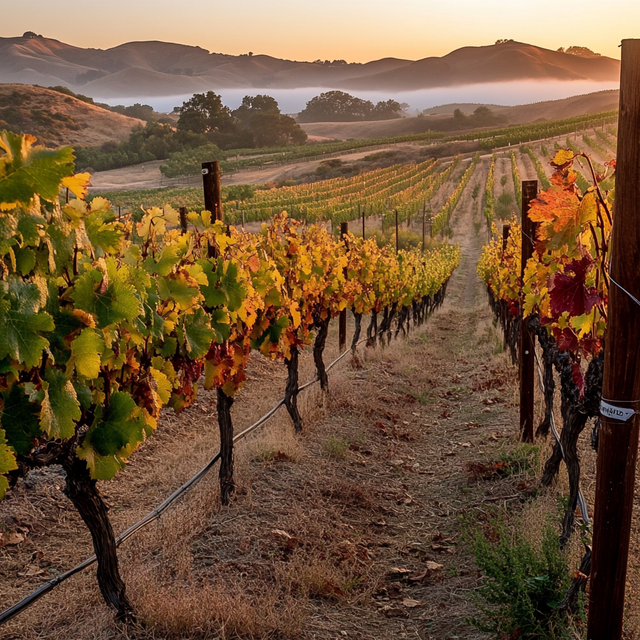
California's Central Coast is a sprawling and diverse wine region stretching from south of San Francisco all the way to Santa Barbara. This vast area encompasses a wide range of climates and terroirs, resulting in a remarkable diversity of wine styles. Monterey County, known for its cool-climate Pinot Noir and Chardonnay, benefits from the influence of the Monterey Bay. The Santa Cruz Mountains, with their high elevation and proximity to the Pacific, produce elegant, cool-climate wines. Paso Robles, known for its warm days and cool nights, is renowned for its bold Zinfandel and Rhône-style blends. Santa Barbara, despite its southerly latitude, boasts surprisingly cool climates due to the unique east-west orientation of its valleys, which funnel cool ocean breezes inland, creating ideal conditions for Pinot Noir and Chardonnay. The Central Coast's varied geography and range of climates contribute to its standing as a highly dynamic winemaking area.
California - Central Coast

Red Blend is a catch-all for wines built from more than one red grape, a practice as old as winemaking itself and central to many of the world's most celebrated bottles. Blending lets a producer balance what a single variety cannot deliver alone: structure from one grape, perfume from another, flesh and color from a third. Bordeaux, Châteauneuf-du-Pape, Rioja, and the old field blends of Portugal's Douro all fall under this umbrella, as do countless wines from growers who care more about the finished wine than about varietal labeling. Expect enormous range in style, from light and herbal to dense and age-worthy, depending entirely on origin and intent.
Red Blend
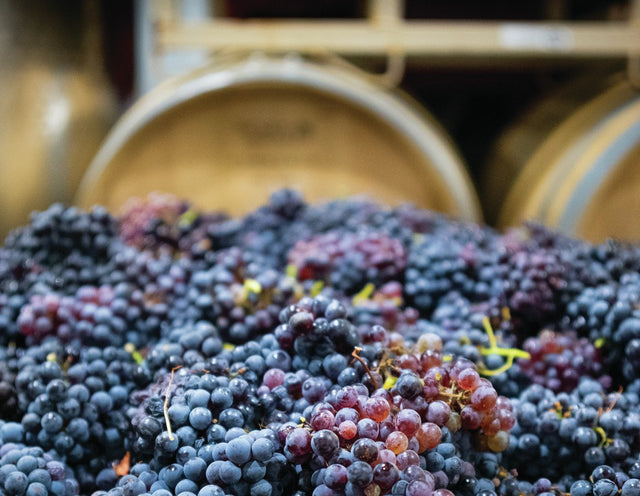
Certified Organic farming is an agricultural practice where vineyards adhere to strict regulations prohibiting the use of synthetic pesticides, herbicides, fungicides, and fertilizers. Instead, certified organic growers rely on natural alternatives, including compost, cover crops, and beneficial insects, to nourish the soil and manage pests. Certification requires compliance with established organic standards, typically verified by third-party agencies such as USDA Organic in the United States or EU Organic in Europe. This method emphasizes ecological balance, biodiversity, and sustainability, aiming to produce high-quality grapes and wines while reducing environmental impact and promoting long-term vineyard health. Organic farming is not allowed to use Glyphosate.