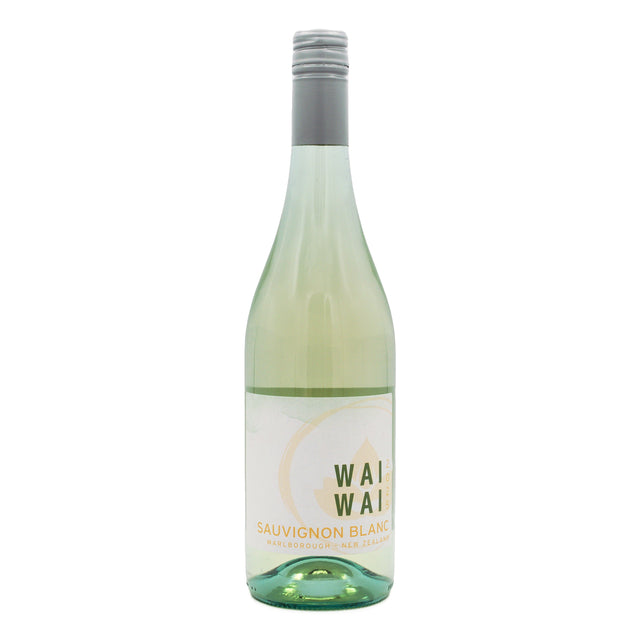
Wai Wai Sauvignon Blanc 2025
We have 11 in stock (Inventory is live and accurate)
The Land
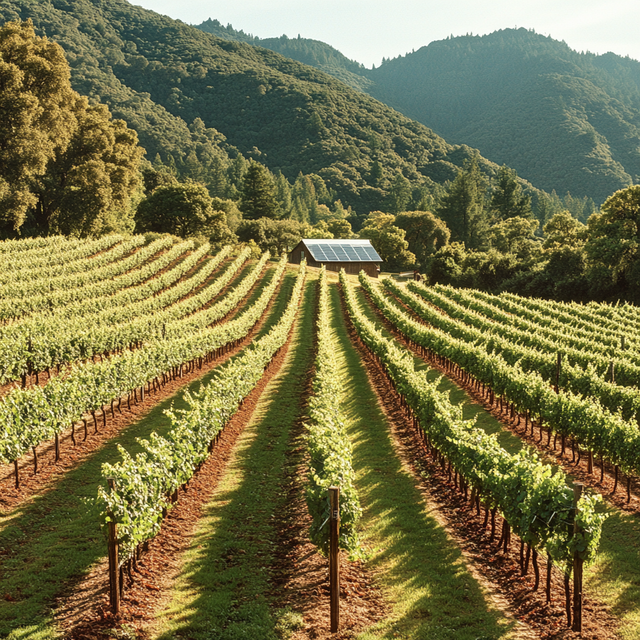
Marlborough is not just New Zealand's best-known wine region; it is most of the country's vineyard. Almost 31,000 hectares of vines, about two-thirds of the national total, grow at the northeastern tip of the South Island, in one of New Zealand's sunniest and driest corners. Long, bright days paired with cool conditions keep acidity sharp, which is why Sauvignon Blanc from Marlborough tastes so vivid. The Wairau Valley, the region's core, has old, free-draining gravel riverbed soils, with stony sites that ripen early and coastal sites cooled by sea breezes. The Southern Valleys, including the Waihopai, run cooler and drier, on heavier soils with more clay. Past releases of Wai Wai have drawn on both the Wairau and the Waihopai, blending ripe, punchy fruit with cooler-site tension.
The Wine
Wai Wai Sauvignon Blanc 2025 is a Marlborough Sauvignon Blanc made in the classic, unoaked regional style. In past vintages it was fermented in stainless steel at 12 to 16°C with selected aromatic yeasts, a cool, protective ferment that holds on to the grape's high-toned fruit, and sealed under screw cap. Expect Granny Smith apple, kiwifruit, nectarine, gooseberry, and lemon zest, with crisp acidity and a long, mouthwatering finish. The 2025 season set up a large crop after warm, sunny weather at flowering; December was the warmest on record, averaging 19.2°C, January ran cold and dull, and a warm February and March stretched the harvest window. Summer rain was about half the long-term average, many wineries capped grower tonnage, and Wine Marlborough reported high quality across the subregions, with Sauvignon Blanc showing good concentration.
The People
Wai is the Māori word for water, a fitting name in a region whose best soils were laid down by rivers. Marlborough's modern story is short: it was Sauvignon Blanc from these valleys that put New Zealand on the international wine map in the 1980s. Much of that work still rests on growers who farm the valley floors and sell to wineries, and the 2025 harvest showed how closely the two sides work, with growers thinning canes and some dropping fruit to the ground to keep quality up when the crop came in heavy. Wai Wai is bottled as a straightforward regional Marlborough wine, built for freshness and value rather than a single-vineyard statement.
Food Pairing
Marlborough Sauvignon Blanc wants bright, green, fresh food. Steam green-lipped or blue mussels in white wine with garlic, shallots, and parsley; the wine's acidity and citrus lift match the briny broth. Fish tacos with lime crema and shredded cabbage work because the grassy, zesty side mirrors the lime and cuts the fried batter. Try a warm goat cheese salad with arugula and toasted walnuts, a pairing that relies on acidity to slice through the tangy cheese. Pan-fried snapper with lemon-caper butter and grilled asparagus brings in the herbal notes. This is the white to open the moment the grill gets going on a summer evening.
We ship wine to most states with a $100 minimum order for shipping. We don't ship spirits nor beer.
Weather shipping advisory: Orders placed during times of extreme heat or extreme cold will be held for no charge until more favorable weather returns.
Sauvignon Blanc, a white grape of significant character, is believed to have originated in the Loire Valley of France, where it continues to produce some of the world’s most iconic and expressive examples. This variety has also found success in Bordeaux, where it is often blended with Sémillon, as well as in New Zealand, where it has become a signature grape, and many other regions across the globe. Known for its vibrant acidity and distinctive aromatic profile, Sauvignon Blanc often displays a pronounced greenness, with notes of fresh-cut grass, herbaceousness, and sometimes even a touch of jalapeño, depending on ripeness and region. These traits are often supported by citrus fruits like grapefruit and lime, leading to wines that are both refreshing and complex, ranging from steely and mineral-driven to more tropical and fruit-forward styles.
Sauvignon Blanc
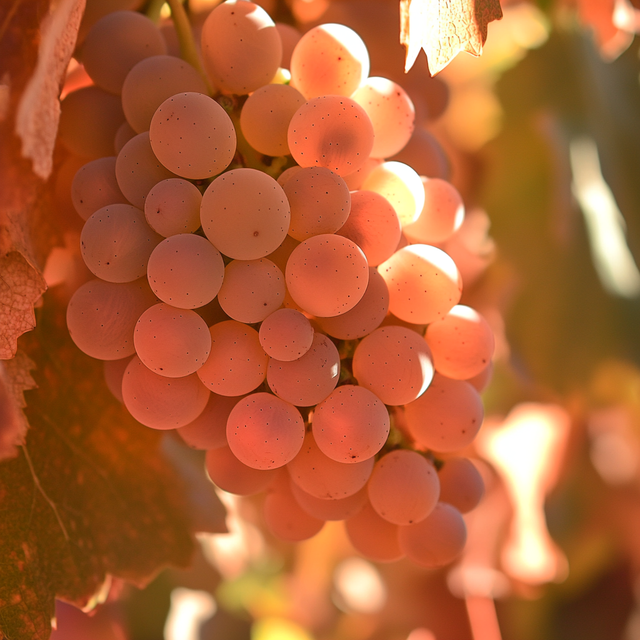
Sustainable vineyard farming is an environmentally conscious approach that prioritizes long-term ecological balance, economic viability, and social responsibility. Unlike organic farming, sustainable practices do not necessarily exclude synthetic chemicals, but rather focus on minimizing their usage, carefully managing resources like water and energy, protecting biodiversity, and reducing waste and carbon footprint. Wineries employing sustainable methods often integrate modern technology and traditional practices to improve efficiency and maintain healthy vineyards. Certifications like "SIP Certified" or "LIVE Certified" help validate sustainability efforts. However, sustainable farming differs distinctly from organic, as sustainable producers may use synthetic inputs in moderation if deemed necessary for the overall health and productivity of their vineyards.